
25 Tech Secrets That Can Change Your Digital Life in 2026
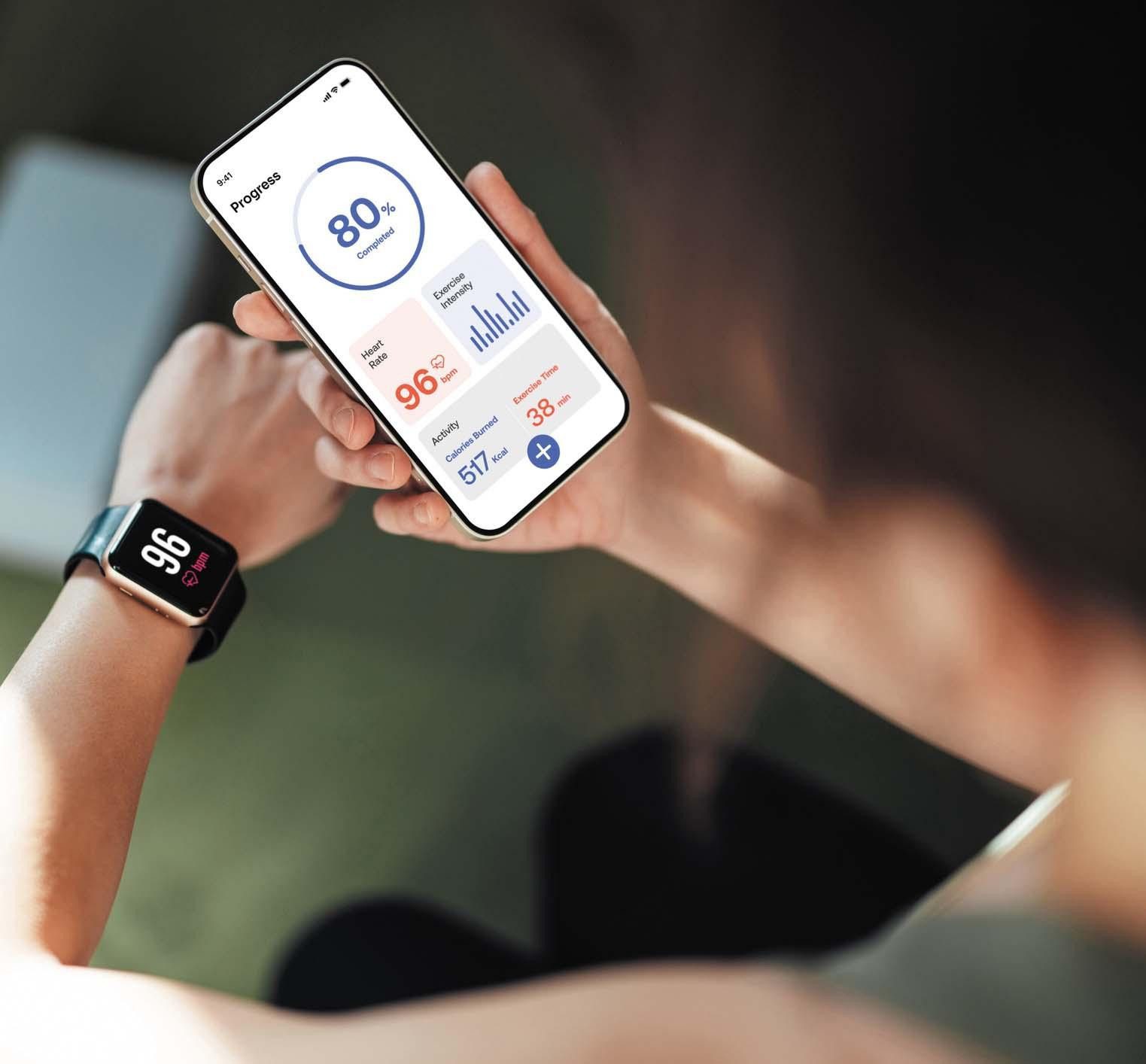
Quantified Self: How Tracking Your Personal Data Can Actually Change Your Life
A rigorous, research-grounded guide to what the science really says about wearables, sleep data, heart rate variability, continuous glucose monitors, and mood tracking — plus why most self-trackers are drowning in numbers they never act on.
In 2007, Wired editors Gary Wolf and Kevin Kelly coined a phrase that would quietly reshape how millions of people think about health: “self-knowledge through numbers.” The Quantified Self movement was born. Nearly two decades later, the data infrastructure around personal tracking has become extraordinary — but the gap between what these devices can measure and what people actually do with that information remains stubbornly wide.
Here’s the uncomfortable truth that most gadget reviews won’t tell you: 79% of people who track personal data say they’ve gained insights, but only 23% report it led to sustained behavior change, according to research reviewed by the UC Berkeley Quantified Self Institute. You can wear an Oura Ring to bed every night for six months and still run on five hours of sleep. The data is only as useful as the decisions it drives.
This guide takes a hard look at where personal data tracking genuinely delivers — and where it becomes an expensive hobby that generates anxiety rather than improvement. We’ll cover the science of sleep tracking accuracy, what HRV actually tells you, the emerging world of continuous glucose monitoring for non-diabetics, the real risks of data obsession, and how to build a self-tracking practice that produces lasting change rather than just fascinating charts.
What the Quantified Self Movement Actually Is — and Isn’t
The term gets used loosely. For some people it means wearing an Apple Watch and checking their step count. For others it means running n=1 self-experiments with blood tests, metabolic chambers, and Bayesian analysis of their own data. The range is enormous, and that breadth is part of why general claims about “self-tracking” are often misleading.
At its core, the quantified self is any systematic practice of collecting data about your own biology, behavior, or environment — and using it to inform decisions. That could be as simple as keeping a paper food diary, or as elaborate as the late Seth Roberts, a psychology professor at UC Berkeley, who tracked his mood, sleep, and diet for years and published the resulting self-experiments in peer-reviewed journals.
The philosophical underpinning matters here. Dawn Nafus and Jamie Sherman from Intel Labs described the QS culture as “an important modality of resistance to dominant modes of living with data” — meaning that at its best, it’s about you controlling insights from your own life, rather than being on the receiving end of someone else’s analysis of you. That’s a meaningfully different relationship with data than the one Facebook or your insurer has with it.
But the commercial reality is messier. Most wearable companies monetize your data in various ways, algorithms are proprietary and opaque, and the field is littered with devices making accuracy claims that independent research consistently fails to validate. More on that shortly.
The Four Things Worth Tracking (and Why Most Lists Get This Wrong)
If you search for “what to track in the quantified self” you’ll find lists of 30, 50, sometimes 80 variables. That’s almost certainly counterproductive. The research on behavior change consistently shows that tracking too many things simultaneously collapses under its own complexity — compliance drops and so does the signal-to-noise ratio in your data.
In practice, the metrics that most reliably produce actionable insight for most people cluster into four domains:
- Sleep quality and architecture — not just duration but deep sleep proportion and continuity, which correlate with cognitive performance, metabolic health, and immune function.
- Physiological readiness — primarily resting heart rate and heart rate variability (HRV), which serve as proxies for autonomic nervous system state and recovery.
- Metabolic response — how your body handles food, measured either via continuous glucose monitors or, more crudely, through energy/mood journaling after meals.
- Time and attention — how you actually spend your working hours versus how you think you do, because the gap between the two is usually humbling.
Everything else — detailed step counts, VO2 max estimates, stress scores, menstrual cycle tracking, microbiome sequencing — can be valuable in specific contexts, but it’s secondary. Start with the above four before adding complexity.
Sleep Tracking: What Consumer Wearables Can and Cannot Tell You
Sleep is the domain where quantified self enthusiasts are most active, and where the accuracy debate is most heated. The gold standard remains polysomnography (PSG) — a full overnight study in a sleep lab with EEG electrodes measuring actual brain activity. Consumer wearables use PPG (photoplethysmography) sensors and accelerometers, which measure heart rate, heart rate variability, and movement. From these signals, algorithms infer sleep stages. That inference is the key word.
How Accurate Are Wearables, Really?
The answer is more nuanced than device manufacturers want you to know. A landmark independent study by Schyvens et al. (2025), published in SLEEP Advances, tested six commercial wearables against PSG in 62 adults over a single night at Antwerp University Hospital. The findings were illuminating:
| Device | Overall Sleep Stage Accuracy (κ) | Deep Sleep Detection | REM Detection | Independent Study? |
|---|---|---|---|---|
| Apple Watch Series 8 | Best (κ = 0.53) | 50.7% | Good | Yes — Schyvens 2025 |
| WHOOP 4.0 | Strong | 69.6% (best in study) | Good | Yes — Schyvens 2025 |
| Oura Ring Gen 3 | Best (κ = 0.65) | 79.5% | Strong | No — Oura-funded (Robbins 2024) |
| Fitbit Sense | Moderate | 48.3% | Moderate | Yes — Schyvens 2025 |
| Garmin Vivosmart 4 | Lower tier | 32.1% | Weakest | Yes — Schyvens 2025 |
| Withings ScanWatch | Lower tier | 29.8% | Moderate | Yes — Schyvens 2025 |
A few important caveats before drawing conclusions. Oura’s impressive figures in the Robbins et al. (2024) Brigham study come from Oura-funded research, which doesn’t automatically invalidate the findings but warrants appropriate skepticism. In the fully independent Antwerp study, Oura wasn’t tested at all. Meanwhile, a separate independent study at the University of Salzburg tested 15 devices and found Oura most consistent across all sleep stages, with WHOOP (new algorithm) performing nearly as well. The Korean study in 2023 put Google Pixel Watch and Galaxy Watch highest.
The practical takeaway: no single device “wins” for everyone. Study funding, participant demographics, and methodology all affect results. The honest recommendation is that Oura and WHOOP are the most consistently strong performers in peer-reviewed research, but individual variation is real — some users find Apple Watch more accurate for their own patterns.
Even the best wearable cannot replace clinical evaluation if you suspect a sleep disorder. FDA-cleared AI algorithms now screen for sleep apnea from pulse oximetry data, but wearable sleep staging is still unreliable enough that Chris Winter, MD, a neurologist and sleep specialist, puts it plainly: “Putting a device on your finger or wrist will not solve a sleep problem, but it can absolutely help you understand REM vs. deep sleep better. And that’s typically the first step towards improving your sleep.”
Heart Rate Variability: The Most Misunderstood Metric in Consumer Wellness
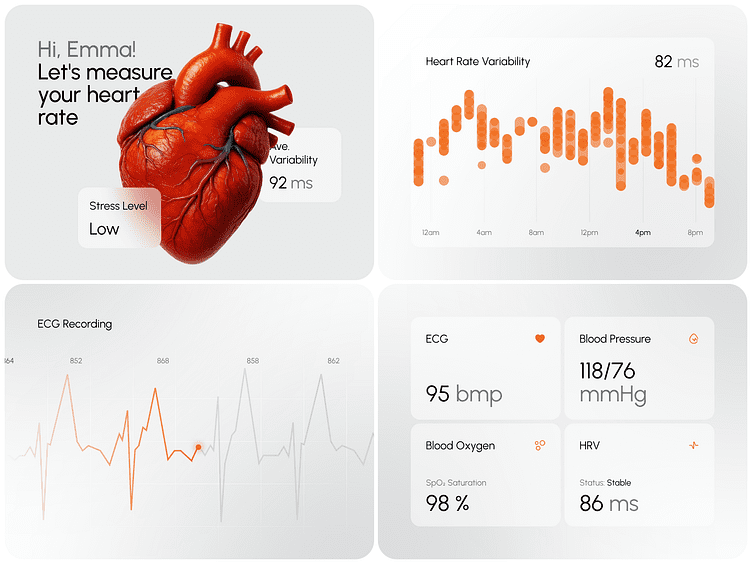
HRV has become the darling metric of the biohacking world, and with good reason — it’s genuinely informative. HRV measures the variation in time between consecutive heartbeats (usually expressed as RMSSD in milliseconds). Higher resting HRV generally indicates a more adaptable autonomic nervous system, better cardiovascular fitness, and adequate recovery. Lower-than-baseline HRV often flags physiological stress, poor sleep, illness, or overtraining before you consciously feel any of those things.
The problem isn’t the metric — it’s the measurement. How accurately do consumer wearables actually capture it?
Dial et al. (2025) published a validation study in Physiological Reports tracking 13 participants across 536 nights, using a Polar H10 ECG chest strap as reference. The results were the clearest head-to-head comparison of consumer HRV accuracy published to date:
| Device | HRV Concordance (CCC) | Mean Absolute % Error | Rating |
|---|---|---|---|
| Oura Gen 4 | 0.99 | 5.96 ± 5.12% | Nearly Perfect |
| Oura Gen 3 | 0.97 | 7.15 ± 5.48% | Substantial |
| WHOOP 4.0 | 0.94 | 8.17 ± 10.49% | Moderate |
| Garmin Fenix 6 | 0.87 | 10.52 ± 8.63% | Poor |
| Polar Grit X Pro | 0.82 | 16.32 ± 24.39% | Poor |
Note that the Garmin tested here was the Fenix 6 — two generations behind current hardware at the time of publication. Current Garmin devices may perform differently. Also worth noting: WHOOP provided third-party researchers full-night 30-second epoch data in a separate Miller et al. (2022) study, where it achieved ICCs of 0.99 with a reference ECG in 53 participants — suggesting the device is capable of very high accuracy when algorithms are optimally calibrated.
How to Actually Use HRV Data
This is where most people go wrong. They look at today’s HRV number and compare it to a published average for their age group — which is largely meaningless because HRV varies enormously between individuals. A healthy 35-year-old might have a baseline RMSSD of 25ms or 90ms; both can be normal.
What matters is your personal trend and deviation from your own baseline. Most serious wearable apps now calculate a rolling 30-day or 90-day baseline and flag significant deviations. That’s the right approach. If your typical morning HRV is 55ms and you wake up at 38ms, something physiologically meaningful happened — poor sleep, a stressful day, the beginning of an illness, too much alcohol. If your HRV has been trending upward over three months, your fitness and recovery are genuinely improving.
“HRV is not a diagnostic tool for any specific condition. It’s an indicator of physiological state — whether your system is stressed or recovered, depleted or adaptive. The mistake is treating a single number as meaningful rather than the pattern over time.” — Research perspective from Dial et al., 2025, Physiological Reports
Continuous Glucose Monitoring for Non-Diabetics: Real Insight or Expensive Wellness Theater?
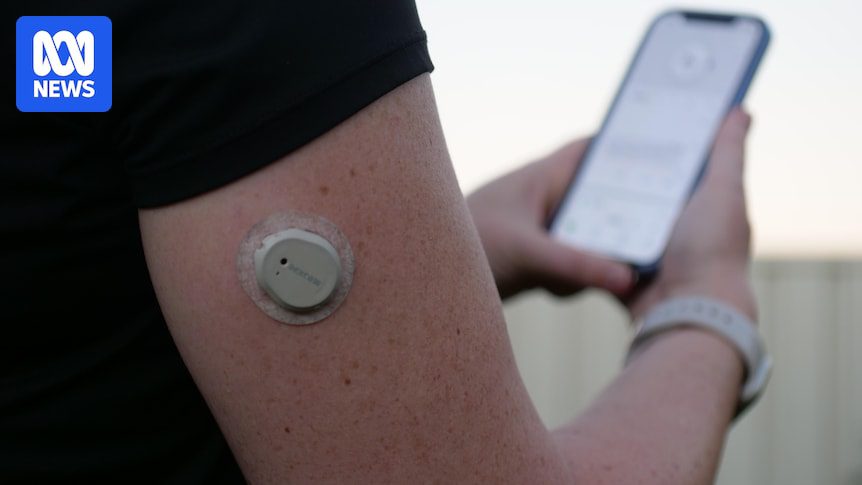
CGMs have moved rapidly from diabetes management into mainstream wellness culture. Devices like Levels Health, Nutrisense, and Abbott’s Libre now offer non-diabetic consumers real-time views of blood glucose fluctuations throughout the day — how a meal, a workout, a night of poor sleep, or even a stressful meeting affects their metabolic response.
The appeal is obvious. CGMs fit neatly into the quantified self ethos — immediate, personalized, data-rich. And the insights can genuinely be surprising. People who feel fine eating certain foods discover dramatic glucose spikes and crashes that explain afternoon energy crashes they’d blamed on stress.
But there are complications worth understanding before you spend $200–400/month on a CGM subscription.
A 2025 Georgetown University study (IRB-approved, October 2024) examining CGM use for lifestyle change found that while self-monitoring increased health awareness and accountability, it also carried real risks of psychological distress — including anxiety about glucose spikes in metabolically healthy individuals where those spikes are physiologically normal. The study found that “hyperfocus on metrics, and feeling negative towards oneself if quantified health goals are not achieved” were common experiences.
Separately, coverage equity is a genuine issue: as of 2024, Medicare expanded CGM coverage to more Type 2 diabetes patients using insulin, but millions remain uncovered, while the wellness market transforms a medical tool into a luxury health product primarily accessible to the affluent.
That said, CGMs do have demonstrably useful applications for non-diabetics. Understanding that your glucose spikes sharply after white rice but not after sweet potato — even when caloric content is similar — is actionable information. Discovering that disrupted sleep causes elevated morning glucose levels drives home the real cost of sleep debt in a concrete way that abstract lectures on cortisol don’t.
The honest verdict: CGMs provide genuine, personalized metabolic insight that other metrics can’t replicate. But they work best as a time-limited learning experiment (2–4 months) rather than a permanent subscription, and they’re most valuable for people with family history of metabolic disease or who are already optimizing diet seriously. For most healthy people, a few months of CGM data followed by thoughtful dietary adjustments is more useful than continuous monitoring indefinitely.
Real Case Studies: When Self-Tracking Actually Changed Things
Wolfram, the physicist and Mathematica creator, has tracked his email response times, keystrokes, phone calls, and daily working patterns since 1989. In his published analysis of his own data, he identified consistent patterns in cognitive peak hours (late afternoon into evening for him), the actual structure of his meeting days versus focused work days, and how travel disrupts his productivity in ways he hadn’t consciously recognized. The value wasn’t a single insight but the accumulation of pattern recognition over decades.
What made it work: long duration, consistent method, and a researcher’s instinct for asking specific questions rather than just collecting data.
The Norwegian marathon runner and physiologist community has increasingly adopted HRV-guided training protocols. The principle: instead of following a fixed training plan, athletes adjust daily training intensity based on morning HRV relative to baseline. Published research comparing HRV-guided versus fixed training plans consistently shows HRV-guided athletes accumulate similar or greater fitness gains with lower injury rates, because the protocol enforces rest when the body actually needs it rather than when a calendar says to rest.
WHOOP’s approach — providing a daily “Strain” recommendation based on overnight HRV and sleep quality — operationalizes this for non-professional athletes. It’s one of the cleaner applications of wearable data because the feedback loop is direct: your body gave you signals, the device interpreted them, and you modified your workout accordingly.
A 2025 study published in JMIR Mental Health — the Mobile Monitoring of Mood (M3O) study — tracked patients with major depressive episodes and healthy controls using consumer-grade wearables and smartphone digital traces. The study found that wearable-derived biomarkers (activity levels, sleep fragmentation, HRV trends) could track mood state changes with meaningful accuracy, offering clinicians a more objective window into patient experience between appointments. The authors describe this as “digital phenotyping” — using passive sensor data to construct a quantitative picture of psychological state.
This isn’t self-tracking for optimization; it’s wearables as a clinical tool. But it illustrates how the same devices people use to count steps can carry genuinely clinical-grade utility when the data is interpreted with appropriate rigor.
The Device Landscape in 2025: An Honest Assessment
The market has matured considerably. The days of wearables failing to even accurately count steps are largely behind us. The current competition is at the level of sleep staging accuracy, HRV precision, and the quality of insights the accompanying software generates. Here’s where the major players sit.
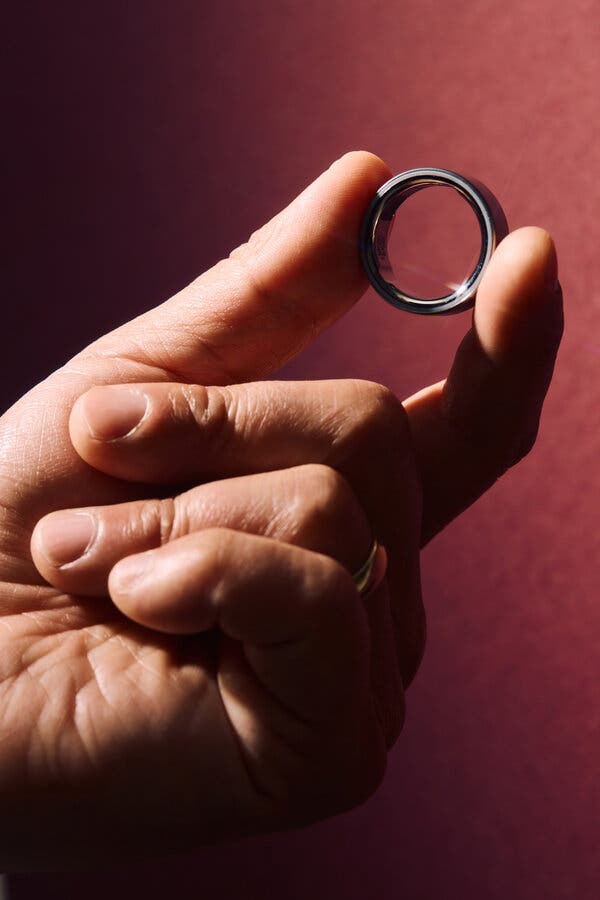
Currently the most validated consumer wearable for HRV accuracy (CCC 0.99 in independent research) and among the strongest for sleep staging. Form factor is unobtrusive. Battery lasts ~7 days.
✓ Best-in-class HRV accuracy. Strong independent research support. Excellent temperature tracking for illness/ovulation detection.
✗ $5.99/month subscription for full data access. No display. Pricing for ring hardware adds up.
Purpose-built for athletes and performance-focused users. The 2025 firmware update added biometric stress alerts and team wellness tracking. Excellent strain/recovery feedback loop.
✓ Best deep sleep detection in independent Antwerp study. Charge-while-wearing design. No screen = no distraction.
✗ $30/month subscription is the highest in the category. Less useful for non-athletes. Clip-on charger can feel clunky.
Best overall sleep tracking accuracy in the independent Antwerp study (κ=0.53). ECG capability adds genuine medical utility. Deep integration with Apple Health and healthcare providers.
✓ Best awake-time detection. ECG and irregular rhythm notifications. Healthcare ecosystem integration. No subscription.
✗ Battery life (~18–36 hours) means daily charging. Less specialized than Oura/WHOOP for deep recovery metrics.
Dominant for outdoor athletes needing GPS accuracy, training load analytics, and multi-week battery life. HRV accuracy has improved in newer generations beyond the Fenix 6 tested in the Dial 2025 study.
✓ Unmatched GPS precision. No subscription. Excellent for runners, cyclists, triathletes.
✗ Sleep stage accuracy lags Oura and WHOOP in independent research. HRV tracking less reliable than ring-based sensors.
CGM-based metabolic tracking for non-diabetics. App provides real-time glucose response to meals, sleep, exercise, and stress. Pairs with Abbott Libre sensors.
✓ Genuinely unique personalized metabolic insight. Reveals food-glucose relationships no other wearable can show.
✗ $200–400/month depending on CGM inclusion. Sensor wear is intrusive for some. Best used as a time-limited experiment.
Oura’s most direct ring competitor. Launched without subscription fees, which differentiates it in a market moving toward recurring revenue models. Less peer-reviewed validation data than Oura.
✓ No subscription fee. Lightweight. Growing software feature set.
✗ Limited independent accuracy research vs. Oura. App still maturing.
Time Tracking: The Underrated Quantified Self Practice Nobody Talks About Enough
The body metrics get all the attention, but there’s a strong case that tracking how you spend time produces more immediately actionable insight for most people than tracking sleep stages or HRV. Research on time perception consistently shows humans are poor judges of how they actually use their hours — we overestimate time spent on deep work and underestimate time spent on reactive tasks, meetings, and aimless browsing.
Tools like Toggl, RescueTime, and Rize (which categorizes computer activity automatically and detects focus sessions) provide data that’s simultaneously less glamorous and more disruptive than a readiness score. Finding out you spent 37% of your working week in meetings, when you’d estimated 20%, changes something. Discovering you average 47 minutes of genuine uninterrupted focus daily when you’d assumed 3+ hours is hard to argue with.
The 10,000 steps/day target originated from a 1960s Japanese pedometer marketing campaign — not scientific research. A 2019 study in JAMA Internal Medicine (Lee et al.) found meaningful mortality benefits plateau around 7,500 steps/day for older women. A 2022 study in JAMA Neurology found 9,826 steps/day was associated with a 50% lower dementia risk. The practical implication: daily movement matters, but obsessing over a specific round number is tracking theater, not science-based self-optimization.
The Dark Side: When Self-Tracking Becomes Self-Surveillance
This section makes some people uncomfortable, but it belongs in any honest treatment of the topic.
The same behaviors that make self-tracking useful — regular checking, pattern recognition, adjustment — can tip into compulsive monitoring that creates anxiety, distorts self-perception, and reduces rather than enhances quality of life. There are documented cases of people developing what clinicians are starting to call “orthosomnia” — a preoccupation with sleep data that paradoxically worsens sleep quality because of the anxiety it generates.
“Some people may experience psychological distress from self-monitoring… a hyperfocus on metrics, and feeling negative towards oneself if quantified health goals are not achieved.” — Georgetown University CGM Study, approved by IRB October 2024, published 2025
The Privacy Dimension Is Genuinely Serious
Most self-trackers accept data collection terms without reading them. The practical risks that research and security experts highlight:
- Data leaks — Health and location data stored in cloud services by wearable companies has been exposed in breaches. Your resting heart rate is less sensitive than your location data, but together, behavioral patterns can be deeply revealing.
- Behavioral profiling — Companies use aggregate tracking data to build psychological profiles. Even anonymized data can often be re-identified through cross-referencing with other datasets, a well-documented phenomenon in the privacy research literature.
- Insurance and employment — Health or behavior data could theoretically influence insurance rates or employment decisions. This is currently restricted in many jurisdictions but the legal framework remains uncertain and evolving.
- Third-party sharing — The Society for Computers & Law and multiple privacy researchers have demonstrated how easy it is for wearable app providers to infer co-location and shared activities from what appears to be innocuous data.
None of this means you shouldn’t track your sleep. It means you should read the data policy of whatever you use, prefer companies that offer local data storage options or are transparent about third-party sharing, and be aware that your health data has value to parties whose interests are not the same as yours.
How to Build a Self-Tracking Practice That Actually Changes Your Behavior
Given the research finding that only 23% of self-trackers convert insights into lasting change, this is really the crux. Why does tracking often not work, and what does the evidence say about making it work?
The core problem is what researchers call the insight-action gap. Generating insight from data is cognitively satisfying — it activates the same reward pathways as solving a puzzle. Acting on that insight, especially when it requires changing a comfortable habit, is much harder. The data tells you that your best sleep comes when you stop screens at 9:30pm. The data cannot make you put down the phone.
Define one specific question before you start tracking
Not “I want to optimize my health” but “I want to understand whether alcohol on weekdays affects my HRV and next-day focus.” A specific question has a specific answer. You can run a 30-day experiment and actually learn something. Open-ended tracking just generates charts.
Track leading indicators, not just outcomes
Sleep quality is a lagging indicator — it reflects what you did yesterday. Bedtime consistency is a leading indicator you can actually control. HRV is a lagging indicator. Alcohol intake the evening before is a leading indicator. Focus your intervention on what you can change, not what the data tells you about what already happened.
Establish a baseline before changing anything
Track for 2–4 weeks without trying to change behavior. This gives you an honest picture of where you actually are — not where you think you are or want to be. Most people are surprised by how much their sleep duration varies week to week even when they think they have consistent habits.
Change one variable at a time
If you simultaneously start eating earlier, reduce alcohol, increase exercise, and change your bedtime, you have no idea which variable drove any change in your metrics. Self-tracking works best when you treat yourself like a scientist treats an experiment: isolate variables, change one at a time, hold everything else constant, observe results.
Create a weekly data review ritual
Not daily — daily checking breeds obsession with noise. Weekly review lets patterns emerge from what is inherently noisy biological data. Set aside 20 minutes on Sunday evenings: what did my data show this week, does it match how I felt, what one adjustment will I test next week?
Know when to stop tracking
The research suggests that for habit formation, continuous tracking can eventually become a crutch. Once you’ve internalized the lessons from your data — you know alcohol tanks your HRV, you know you need 8 hours not 7, you know your best cognitive work happens before noon — you don’t necessarily need to keep measuring indefinitely. Data is training wheels. Eventually, you ride without them.
What’s Coming: The Next Generation of Personal Data Tracking
The technical frontier is moving faster than most people realize, and several developments in the 2024–2026 window are genuinely significant.
AI-Powered Pattern Recognition
The integration of AI into wearable analytics is moving from simple score generation to genuine predictive modeling. WHOOP’s 2025 coaching algorithms, Oura’s daytime stress tracking, and Garmin’s injury risk prediction all represent early versions of what will become substantially more sophisticated over the next 3–5 years. The goal: your wearable doesn’t just tell you what happened, it tells you what’s likely to happen if you continue on your current trajectory.
Next-Generation Sensors
Research is active in sensors that track melatonin and cortisol through skin conductance, chemical patches that monitor metabolites in sweat, and AI algorithms that flag neurodegeneration risk from subtle changes in sleep movement during REM — what the IEEE Pulse research community describes as “digital biomarkers.” A digital biomarker here means a quantifiable physiological pattern derived from sensor data that correlates with health outcomes — not a diagnosis, but a signal worth investigating.
The FDA cleared an AI algorithm in 2024 to analyze consumer pulse oximetry recordings for sleep apnea screening, effectively turning a consumer pulse-ox sensor into a diagnostic aid. That’s a meaningful regulatory milestone that signals growing confidence in consumer-grade clinical applications.
The Data Silo Problem — and Its Likely Solution
The current frustration for serious quantified self practitioners is that their Oura Ring, Apple Watch, and CGM don’t talk to each other in a meaningful way. Apple Health aggregates raw data but doesn’t correlate across sources. The emerging category of “health intelligence” apps — platforms like Sonar Health that sit above individual devices and identify cross-metric patterns — represents the infrastructure that makes multi-device tracking genuinely useful rather than additive noise.
The technical challenge is partly APIs (most wearable companies restrict raw data export) and partly algorithm complexity (correlating HRV, glucose, sleep, and time-of-day patterns requires sophisticated modeling). Both are improving.
A Practical Starter Guide by Goal
| Your Primary Goal | Where to Start | Key Metric | Realistic Timeline |
|---|---|---|---|
| Improve sleep quality | Oura Ring or WHOOP; no changes for 2 weeks baseline | Deep sleep proportion; HRV trend | 4–8 weeks to see consistent pattern |
| Optimize athletic performance | WHOOP 5.0 or Garmin; implement HRV-guided training | HRV deviation from baseline; Strain score | 8–12 weeks for training adaptation signals |
| Understand metabolic health | CGM (Levels or Nutrisense) for 60 days; pair with food log | Postprandial glucose response; fasting glucose trend | 30–60 days to identify key food/lifestyle correlations |
| Reduce stress / burnout | Time tracking (RescueTime or Toggl) + HRV baseline (any wearable) | Focus hours per week; HRV on high-stress days | 2–4 weeks for pattern clarity |
| General health awareness (beginner) | Apple Watch (ecosystem) or Fitbit Charge 6 (budget) | Resting heart rate trend; sleep duration consistency | Immediate — start seeing weekly patterns within 2 weeks |
The Bottom Line
The quantified self isn’t a religion or a lifestyle brand — it’s a set of tools and methods that can genuinely help you understand patterns in your own biology and behavior that would otherwise remain invisible. The fact that it often doesn’t lead to lasting change isn’t a critique of the tools; it’s a reminder that data alone doesn’t produce behavior change. Motivation, environment design, and habit architecture do. The data tells you where you are. You still have to decide where to go.
What the research is increasingly clear on: sleep quality matters more than most people realize and most people get less than they need; HRV is a real and useful signal when tracked over time against personal baseline; continuous glucose monitoring offers unique metabolic insight worth a time-limited experiment if you can afford it; and tracking your time use is probably the most immediately actionable self-tracking practice for knowledge workers.
What it’s equally clear on: obsessive monitoring, particularly of sleep, can create the very anxiety that disrupts the thing you’re trying to improve. The best practitioners treat data as evidence to inform decisions, not as a report card. The worst treat their Readiness Score as a measure of their personal worth on any given morning.
Start with one question. Track for 30 days. Change one thing. Observe what happens. That’s it. That’s the whole methodology. The devices are just tools for making observation more precise.
Peer-reviewed research: Schyvens et al. 2025 — Sleep Advances (Antwerp wearable validation) · Dial et al. 2025 — Physiological Reports (HRV accuracy) · Jain et al. 2025 — Psychology & Marketing (meta-analysis on QS and wellbeing) · M3O Study — JMIR Mental Health (2025) · Birrer et al. 2024 — npj Digital Medicine (sleep wearable reliability)
Primary data: Statista (market sizing) · Wolfram Personal Analytics (2012, self-published)
Further Reading on FutureNow
Related guides, deep dives, and tool reviews from futurenow.click
10 Apps That Track You Daily (2026 Forensic Evidence)
How Your Smart TV Could Be Selling Your Data: An Investigative Analysis
The 2026 Smartwatch That Replaces Your Doctor—Shockingly Accurate
5 Proven Biohacking Techniques Most Experts Won’t Tell You
Why Cold Showers Are the New Luxury Trend
15 Behavioral Nudging Mistakes Silently Destroying Your Results