
Wellness Culture · Neuroscience · Luxury Lifestyle · May 2026
Why Cold Showers Are the New Luxury Trend
- Cold water exposure — once a frugal hack or athlete’s ritual — has become the defining wellness status signal of 2026, from $500-a-night hotel hydrothermal circuits to bespoke home cold plunge suites.
- The neuroscience is real but nuanced: 200–530% norepinephrine surges and sustained dopamine elevation are documented. The hype around immunity and weight loss is mostly marketing.
- Cold showers are a legitimate entry point — free, accessible, and backed by the one study that used showers rather than baths (a 29% drop in sickness absence over 30 days).
- The trend is widening a paradox: the wealthy now pay premium prices to experience what anyone can do for free. That tells you something interesting about the modern luxury mindset.
There’s a peculiar thing happening inside the world’s most expensive hotels right now. Guests paying £900 a night at properties from Aman Tokyo to Six Senses Ibiza are booking extra sessions to stand under freezing water. Not because they have to. Because it signals something.
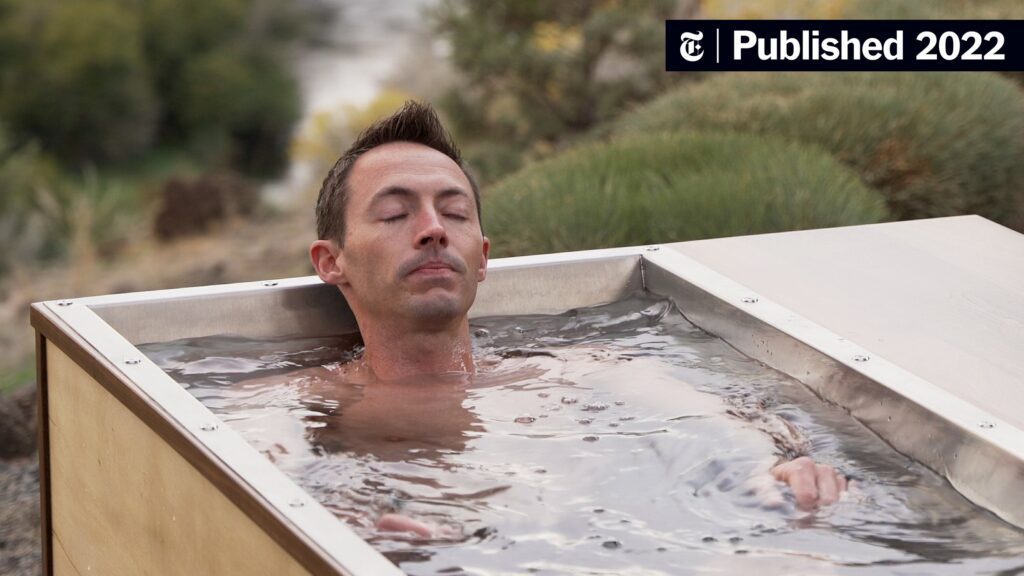
Meanwhile, at the other end of the income spectrum, a 28-year-old software engineer in Austin is posting her 5 AM cold shower streak on TikTok to 340,000 followers. The dopamine hit she’s chasing — literal neurochemical dopamine — is the same one the hedge-fund manager is chasing in his £12,000 home cold plunge tub.
Cold exposure has jumped from biohacker niche to mainstream wellness pillar in the span of about three years. But in 2026, it has done something more interesting still: it has become luxury-coded. That reframing deserves serious examination, because it says as much about how we consume status as it does about any shower protocol.
Note on the numbers above: dopamine and norepinephrine figures are from peer-reviewed studies cited in Huberman Lab’s primary literature review; the 29% sickness-absence figure comes from the 2025 PLoS One systematic review; the wellness economy figure is from US market data.
The Status Signal Nobody Predicted
Traditional luxury is defined by scarcity: the thing other people cannot have. But a cold shower is available to anyone with a functioning pipe and the will to turn the handle. So how does it become luxurious?
The answer is discipline arbitrage. In an era of unlimited Netflix, algorithmic feeds engineered for comfort, and same-day delivery of everything, voluntary discomfort is paradoxically rare. The person who does uncomfortable things by choice — who finishes every morning shower on cold, who sits in the ice bath despite every biological signal screaming to get out — is demonstrating a kind of mastery that money alone can’t buy.
This is new. In the 20th century, luxury meant insulation from difficulty. Heated everything, cushioned everything, delivered to your door. The 21st-century ultra-high-net-worth consumer is inverting that logic. They want the difficult thing, done with ceremony and equipment.
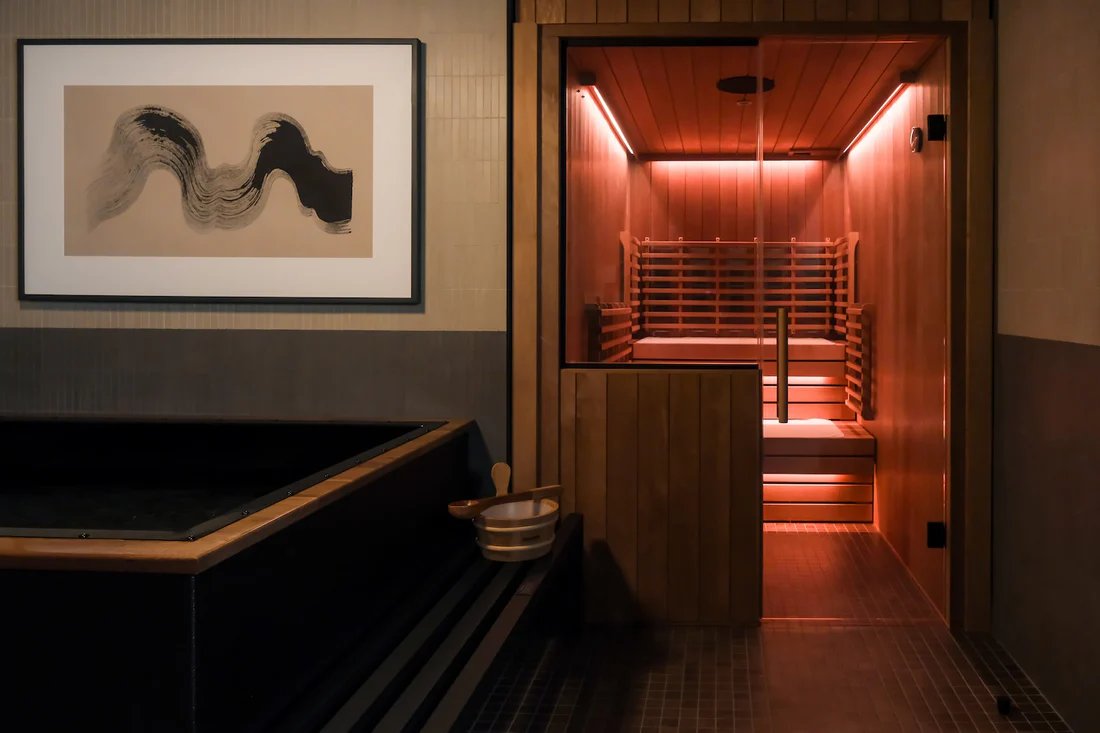
Cold is increasingly positioned not as a singular shock experience, but as one element within a thoughtfully designed hydrothermal circuit.
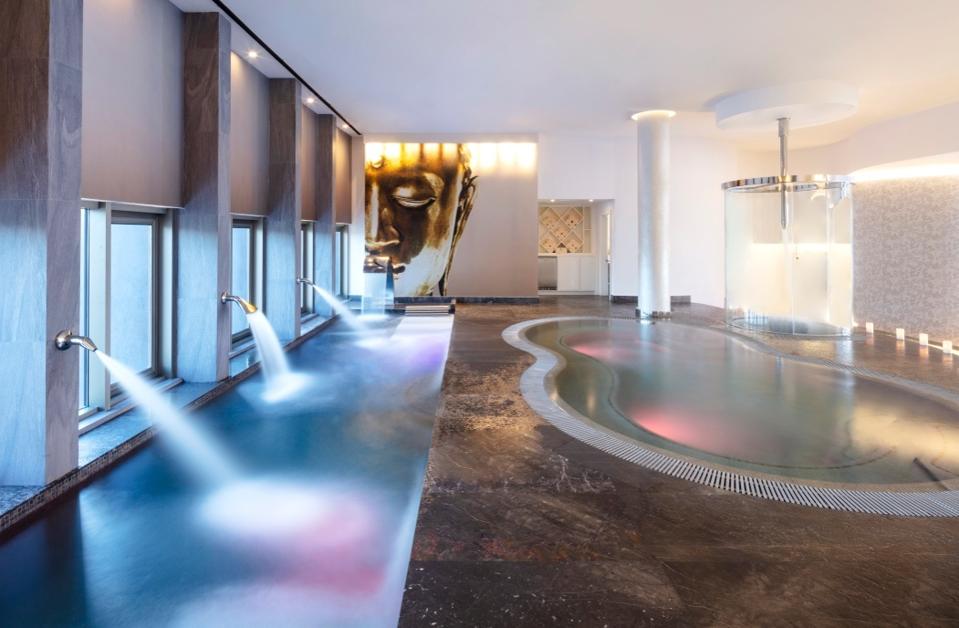
— Global Wellness Institute, Hydrothermal Initiative Trends Report, April 2026The Global Wellness Institute’s 2026 hydrothermal trends report describes the shift precisely: urban wellness venues are now building complete thermal environments — multiple sauna types, steam rooms, snow rooms, cold chambers, contrast pools, experience showers, and dedicated relaxation spaces — because guests want a “multi-hour thermal journey,” not a quick session.
The luxury pivot is commercial: Forbes reported in late 2025 that bathhouse-style venues are changing the face of wellness across America, with hotel brands moving cold and heat experiences from basement afterthoughts to central guest propositions. Bathing and thermal rituals are becoming a primary driver of hotel choice.
What the Neuroscience Actually Says
The science underlying cold exposure is one of the more robustly documented stories in contemporary neuroscience — but the gap between what the research shows and what social media claims is enormous. Let me be precise here, because the nuance matters.
The Catecholamine Effect
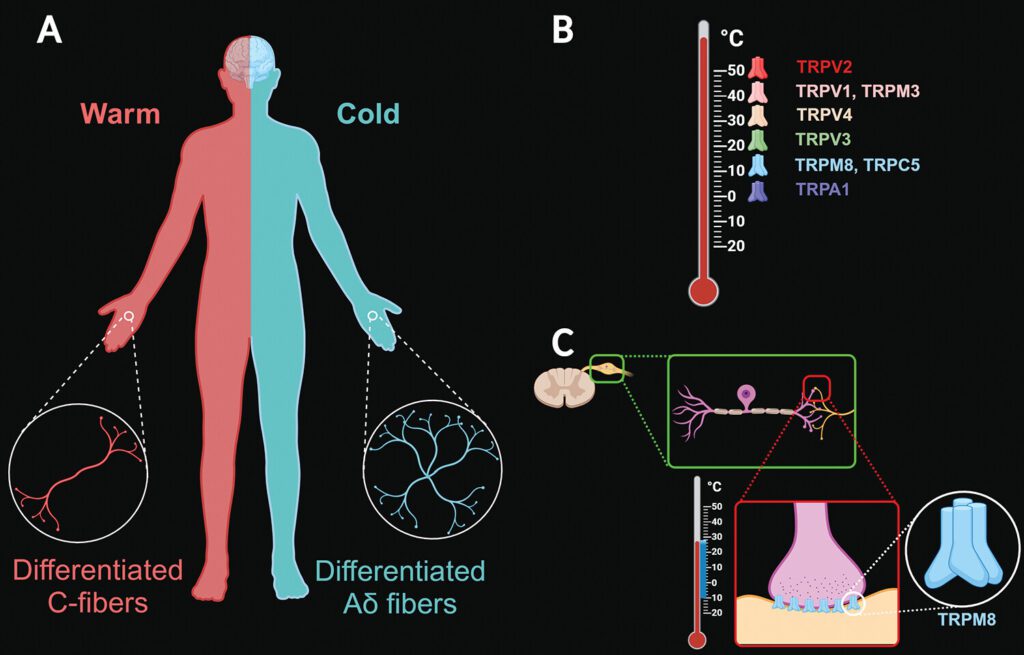
When you step under cold water (or into a cold plunge), your body triggers an immediate sympathetic nervous system response: epinephrine (adrenaline) and norepinephrine spike fast. According to the research synthesised by Stanford neuroscientist Andrew Huberman, cold exposure at 10–15°C produces norepinephrine elevations of 200–530% above baseline — depending on water temperature, duration, and individual baseline. That’s not marketing. That’s peer-reviewed catecholamine measurement (Sramek et al., Huttunen et al.).
Norepinephrine matters because it governs alertness, attention, and the capacity to focus. The sustained mental clarity that cold shower practitioners consistently report is a real, documented physiological mechanism — not placebo.
The Dopamine Curve
More striking is the dopamine response. Research reviewed in Huberman’s framework shows cold exposure produces a sustained 2–3 hour dopamine elevation of approximately 250% above baseline. Crucially, this is not the spike-and-crash pattern of caffeine or stimulants — it’s a prolonged, relatively stable elevation. That explains why practitioners describe feeling “good all morning,” not just briefly wired.
Where the Evidence Gets Thin
This is where I diverge from most wellness content you’ll read.
A systematic review published in PLoS One in January 2025, covering studies before January 2024, found that while cold water immersion reduced stress — the effect wasn’t immediate, occurring up to 12 hours post-immersion. The same review found no consistent evidence that cold immersion boosted mood or immunity in the short term.
Immunity claims are particularly soft. A 2025 study on 30 healthy women found virtually no effect from cold plunging. Much of the existing research demonstrating upsides has been conducted on men, with almost no female-specific data. A 2021 analysis suggested intermittent cold exposure could potentially cause harm to women, flagging abnormal ovarian follicle development in rats — though that’s an animal study and shouldn’t be extrapolated directly.
The weight-loss angle is weak. Brown adipose tissue (BAT) activation is real — cold does convert white fat to metabolically active brown fat — but the caloric effect is modest. Huberman himself notes the total calories burned from cold exposure aren’t that significant. Don’t do this for fat loss.
Throughout this article, I’m using three tiers: ESTABLISHED for effects backed by multiple peer-reviewed studies, PROBABLE for effects with solid mechanistic rationale and some human data, and SPECULATIVE for claims popular on social media but weakly evidenced. This is me applying the same standard I’d want applied to anything I read.
The Luxury Market Is Monetising Your Cold Tap
The commercialisation of cold exposure is one of the more fascinating economic phenomena in contemporary wellness. Consider the price stack:
| Product / Experience | Price Point | What You’re Actually Buying | Evidence Tier |
|---|---|---|---|
| Cold shower (home tap) | £0 / session | Same physiological stimulus at the base level | ESTABLISHED |
| Hotel hydrothermal circuit | £80–£200 / session | Guided contrast therapy, curated environment, social ritual | ESTABLISHED |
| Premium cold plunge tub (home) | £2,000–£12,000 | Temperature precision, filtration, convenience, status object | PROBABLE |
| Wellness retreat cold immersion programme | £500–£3,000 / week | Protocol, coaching, community, environment design | PROBABLE |
| Cryotherapy chamber (commercial) | £50–£100 / session | Rapid skin cooling — weaker physiological signal than full immersion | SPECULATIVE |
The GWI’s 2026 report is explicit: urban wellness venues are integrating snow rooms, experience showers, Kneipp-inspired walking pools, and temperature-controlled cold rooms (typically 12–15°C) as standard features of multi-hour thermal journeys. Large-scale ice baths are being phased out in commercial settings — partly for safety and hygiene, partly because emerging research suggests moderate cold exposure delivers meaningful benefits without the operational complexity.
Hotel brands are responding. Aman, Six Senses, and COMO hotels now position their cold experience facilities as a primary guest experience differentiator. Wallpaper reported in February 2026 that New York’s bathing club boom — Bathhouse, King Spa, and their competitors — is drawing clients who treat the thermal ritual as social infrastructure, not just wellness maintenance.
Case: The cardiac event at the luxury plunge. A 52-year-old executive at a flagship London wellness venue suffered an arrhythmia episode during an unsupervised cold plunge session in early 2025. He had undiagnosed borderline hypertension. The facility’s intake form hadn’t screened for cardiovascular risk.
Mechanism: Cold water immersion triggers immediate vasoconstriction and a spike in blood pressure. In individuals with cardiovascular disease, circulatory issues, or uncontrolled hypertension, this can cause shunting of blood inappropriately and, in rare cases, dangerous heart rhythm disturbances.
Cost: Three nights in hospital, a missed board meeting, and a facility now facing revised safety protocols under UK spa industry guidance.
Dr. Parth Bhavsar, a thermoregulation researcher at Wellstar North Fulton Hospital, confirmed to TIME in March 2026: “Ice baths cause a faster drop in body temperature and higher adrenaline release — that also means a greater risk of heart rhythm disturbances, hypothermia, and what’s called an after-drop, where your temperature continues to fall even after you get out.” Cold showers carry a meaningfully lower risk profile than full immersion, but anyone with cardiovascular issues should consult a physician first.
Cold Showers vs Cold Plunge: The Access Argument
Here’s the thing the luxury market doesn’t want you thinking about too hard: the cold shower is, physiologically, a credible starting point. Not a lesser version — a different stimulus with a genuinely distinct risk/benefit profile.
The only study in the major 2025 PLoS One systematic review that used showers rather than baths found that people taking cold showers reported higher quality of life scores and showed that 29% drop in sickness absence after 30 days. That’s a shower study. Done at home. For free.
Dr. Neha Pathak, a physician in internal medicine and lifestyle medicine, told TIME: “Start by ending your regular shower with 30 seconds of cool water, and gradually extend that time to two to five minutes as your body adapts. There’s no perfect temperature or duration. The key is finding a safe, uncomfortable-but-tolerable zone for you.”
This is what I mean when I say cold showers are the access point. You don’t need the plunge tub. You need the willingness to turn the dial.
A Protocol That Actually Works
| Level | Temperature | Duration | Frequency | Primary Effect |
|---|---|---|---|---|
| Beginner | 20–22°C (68–72°F) | 30–60 seconds, end of shower | Daily | Habit formation, mild catecholamine response |
| Intermediate | 15–18°C (59–64°F) | 2–3 minutes, full shower | 5× week | Norepinephrine surge, mood elevation, stress adaptation |
| Advanced | 10–15°C (50–59°F) | 2–5 minutes (Huberman minimum: 11 min/week total) | 3–5× week | Full catecholamine protocol, brown fat activation, stress inoculation |
| Contrast therapy | Hot sauna → cold (10–15°C) | 2–3 cycles, end on cold (Søberg Principle) | 2–3× week | Maximum thermogenic benefit, cardiovascular conditioning |
Morning cold exposure leverages cortisol’s natural daily peak — your body is already primed for the alert state, and the norepinephrine surge compounds it productively. If you also lift weights, wait at least 4–6 hours before cold immersion post-training: cold blunts the inflammation needed for muscle adaptation. Cold showers are likely fine; it’s full plunge immersion that may reduce hypertrophy gains.
Why the Trend Has Legs — and Where It Gets Silly
I’ve been covering wellness trends for a long time. Most of them follow a predictable arc: fringe → celebrity → mainstream → backlash → niche persistence. Cold exposure has reached something different — what the GWI calls a “constructive recalibration.”
The backlash moment (2024–2025) was real. Wellness commentators pointed out that extreme cold plunging — prolonged, daily, maximally cold — was being over-engineered by the biohacking community in ways that weren’t supported by evidence and could actually cause harm. Research published through early 2026 confirms: the optimisation paradox is real. More cold, longer, every day, colder is not better.
What survived the backlash is more interesting: moderate, protocol-driven cold exposure integrated into daily routine. Not extreme. Not performative. Not the guy posting daily polar plunge content in December to prove a point.
The silly part? Cryotherapy chambers. The luxury spa staple — standing in a -110°C nitrogen-chilled booth for 3 minutes — produces weaker skin cooling than a conventional cold shower, involves only peripheral skin cooling (not core temperature shift), and costs £80 a session. The physiological signal is inferior. You’re paying for the spectacle and the narrative.
The Social Media Effect: Real Trigger, Unreliable Guide
The explosive mainstream adoption of cold exposure was genuinely driven by social media — specifically by the Huberman Lab podcast (which has over 5 million YouTube subscribers) and by the Wim Hof community. As of early 2026, TikTok, Instagram, and YouTube continue to amplify the trend, with celebrities, tech entrepreneurs, and politicians sharing cold plunge routines. Hollywood stars legitimising the practice in 2025 accelerated its crossover from wellness niche to mainstream aspiration.
The problem: social media cherry-picks positive anecdotes, skips the nuance on gender differences in response, ignores contraindications, and optimises for the dramatic. The scientific literature uses language like “potential benefits,” “emerging research,” and “limited evidence.” The TikTok version uses language like “life-changing” and “I’ll never go back.”
Both things can be true: the physiological effects are real and the social media version overstates them. Hold both.
Frequently Asked Questions
How cold does the water actually need to be?
For neurochemical benefits, research points to 10–15°C (50–59°F) as the optimal range for a strong catecholamine response without excessive risk. Most home cold taps in temperate climates reach around 15–18°C in winter — close enough to produce real effects. You don’t need ice.
Should I start cold or end cold?
If you’re building a habit, end your warm shower with cold — it’s psychologically easier and physiologically effective. For maximum benefit, a full cold shower or the “Søberg Principle” (always end on cold in contrast therapy) forces your body to reheat naturally, maximising thermogenic effects.
Is it safe for women?
The honest answer is we don’t have enough female-specific data. Most cold exposure research has been conducted on men. Some evidence suggests women may have different hormetic responses, and the 2021 rat study (intermittent cold and ovarian follicle development) warrants caution. Women who are pregnant or have hormonal conditions should consult a physician first. For healthy adult women, moderate cold showers appear low-risk — but I’d be cautious about extrapolating male study outcomes.
Will it help me lose weight?
Probably not meaningfully. BAT (brown adipose tissue) activation is real, but the caloric impact is modest. Don’t use this as a weight-loss intervention. Do use it for mood, alertness, and stress resilience — those effects are better supported.
Is a cold shower as good as a cold plunge?
For most people, yes — as a starting point, and possibly long-term. The plunge offers more total skin surface area immersion and a stronger thermal signal. But the one shower-specific study showed meaningful quality-of-life and sickness-absence benefits. The physiological gap is real but may be smaller than the cold plunge industry wants you to think.
When is cold exposure actually dangerous?
Anyone with cardiovascular disease, uncontrolled hypertension, circulatory issues, Raynaud’s syndrome, or serious respiratory conditions should avoid cold exposure without medical supervision. The immediate vasoconstriction and catecholamine spike can trigger arrhythmia in predisposed individuals. Pregnancy is also a contraindication. If in doubt, talk to your doctor — this is cheap and easy advice to follow.
What about the Wim Hof Method?
The Wim Hof Method combines cold exposure with specific breathwork and meditation. Research suggests the breathwork component — voluntary hyperventilation — produces a distinct physiological response including altered CO₂ levels and temporarily suppressed immune response to endotoxin in a single small study. The breathwork adds complexity and some risk (never practise Wim Hof breathing in water or while driving). Treat it as an advanced practice, not a beginner protocol.
“The cold shower hasn’t changed. What’s changed is that turning the dial left has become the most countercultural act available to anyone with a bathroom.”
5 Weird Lifestyle Experiments That Actually Work
Why TikTok Trends Spread Faster Than Diseases: 2025 Best Guide!
5 Proven Biohacking Techniques Most Experts Won’t Tell You
Biohacking Secrets 2026: How Hackers Add 20 Extra Years to Life