
In This Article
5 Proven Biohacking Techniques Most Experts Won’t Tell You
The self-experimentation playbook the optimization industry prefers you’d keep buying instead of understanding. Here’s what the research actually says — and where it quietly falls short.
Biohacking content generally comes in two flavors. There’s the supplement-company variety, which is essentially marketing dressed up as science. And then there’s the equally frustrating type that cites real studies but buries the practical protocols under so many caveats they become unusable. This post tries to be neither.
What follows are five techniques that hold up reasonably well under genuine scientific scrutiny — not just anecdote, not just one viral podcast appearance. Each has peer-reviewed support, each has a workable protocol, and each has honest limits I’ll tell you about directly. None of them require an expensive clinic membership or an IV drip.
They’re also, it should be said, not secrets. Some of this work has been quietly accumulating in physiology and endocrinology journals for years. The reason it doesn’t dominate the biohacking conversation is partly because it’s unglamorous — consistent aerobic effort, deliberate cold, eating schedules, a ring on your finger, a patch on your arm. There’s no drama in that. But the outcomes, studied over time, are genuinely striking.
One more honest framing note: “most experts won’t tell you” is, admittedly, a headline hook. The better framing might be “most biohacking content won’t emphasize these, because they don’t sell products.” The experts who focus on longevity and metabolic medicine — Peter Attia, Satchin Panda, Susanna Søberg, Iñigo San Millán — talk about these constantly. It’s the wellness industry around them that tends to obscure the signal with noise.
01 Zone 2 Aerobic Training: The Unsexy Foundation Everything Else Depends On
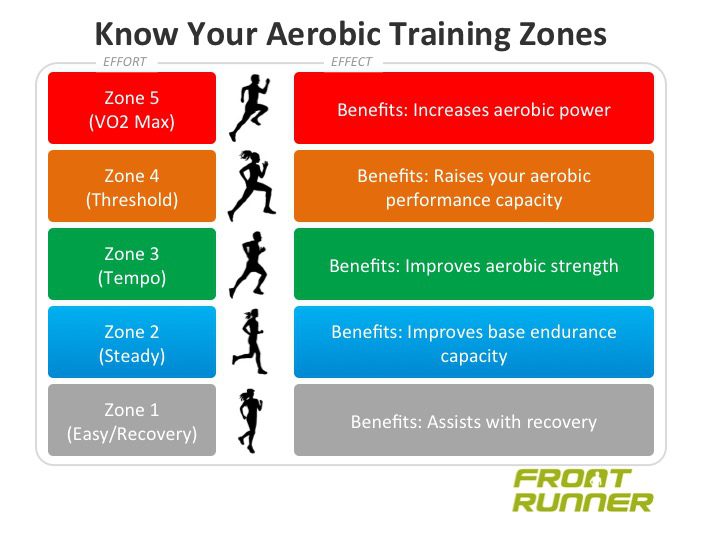
If you train hard most days and feel perpetually beaten up, or if you skip aerobic work in favor of strength and HIIT because “cardio is boring,” this section is going to be uncomfortable reading. Zone 2 training — low-intensity, conversational-pace aerobic work — is, based on what we currently understand about mitochondrial biology and longevity, the single most impactful thing most people aren’t doing enough of.
The concept has been popularized in longevity circles largely through the work of Dr. Peter Attia and sports physiologist Dr. Iñigo San Millán of the University of Colorado School of Medicine. But the underlying physiology isn’t new or controversial. Zone 2 sits at the intensity where your body runs primarily on fat oxidation and lactate production stays below roughly 2 mmol/L — meaning your muscles clear lactate as fast as they produce it. This specific metabolic state appears to be where mitochondrial biogenesis — the creation of new mitochondria — is most robustly stimulated, at least in the Type I slow-twitch muscle fibers responsible for sustained aerobic output.
Research by San Millán and George Brooks published in Frontiers in Physiology demonstrated that Zone 2 training uniquely stimulates mitochondrial biogenesis in Type I muscle fibers — the fibers with the highest mitochondrial density. At this intensity, the enzyme pyruvate dehydrogenase operates optimally, channeling glucose through aerobic rather than fermentive pathways. The consequence is trained mitochondria that are far more efficient at fat oxidation — itself a key biomarker of metabolic flexibility.
A 2022 study in Cell Metabolism found that individuals with higher mitochondrial fat oxidation capacity had significantly lower rates of cardiovascular disease, type 2 diabetes, and all-cause mortality over a 10-year follow-up. That’s a correlation, not a controlled trial — but it’s a meaningful one given the mechanistic plausibility.
Separately, Peter Attia’s protocol guide synthesizes the literature clearly: sustained Zone 2 work drives mitochondrial biogenesis and efficiency, improves fat oxidation, enhances lactate clearance, and supports metabolic flexibility. These are adaptations that compound over months.
Sources: San Millán & Brooks, Frontiers in Physiology; Attia, peterattiamd.com (2025)What does Zone 2 actually feel like? This is where most people go wrong. It should feel slightly embarrassingly easy. You can hold a conversation without gasping. If you’re on a bike, you’re probably going nowhere near as fast as you think you should be. Many people who believe they train aerobically are actually training at Zone 3 or 4 without realizing it — which does build fitness but doesn’t deliver the same mitochondrial stimulus.
The gold standard for identifying Zone 2 is a blood lactate test during exercise: you’re in Zone 2 when lactate sits below 2.0 mmol/L. Practically, you can approximate it with the “talk test” (full sentences, no effort), a heart rate around 60–72% of your maximum, or — most importantly for wearable users — by tracking perceived exertion carefully over time until you know what that particular feeling corresponds to in your body.
World-leading marathon runners spend more than 80% of their training volume in easy aerobic Zone 2. Not because they’re afraid to push hard — but because this is how you build the aerobic base that makes every other intensity more effective.
— Synthesis of San Millán’s research on elite endurance athletes, via Healthspan (2024)
Minimum Effective Dose: Zone 2 Protocol
- 1Target 3 hours per week minimum. Attia recommends splitting this into 3–4 sessions of 45–60 minutes each.
- 2Choose a low-impact modality: stationary bike, brisk walking, rowing, elliptical. Running at Zone 2 intensity is valid but requires careful pacing.
- 3Maintain the “nose-breath test” or full-conversation comfort throughout. If you drift into heavier breathing, slow down.
- 4Track heart rate: approximately 60–72% of age-estimated max HR (220 minus age). Adjust over time as fitness improves and your Zone 2 ceiling rises.
- 5Add one Zone 5 session per week (e.g., 4×4 minutes at maximum effort) to stress the cardiovascular ceiling. This is the 80/20 principle Attia applies.
The mitochondrial biogenesis evidence is mostly from observational studies and animal models. Long-duration controlled trials in humans showing causal lifespan extension via Zone 2 specifically don’t yet exist — the mechanisms are extremely plausible, but “plausible mechanism” isn’t proof. What is supported: improved insulin sensitivity, fat oxidation capacity, cardiovascular metrics, and VO₂max — all of which are independently associated with longevity.
02 Deliberate Cold Exposure: What the Science Actually Supports (and What It Doesn’t)
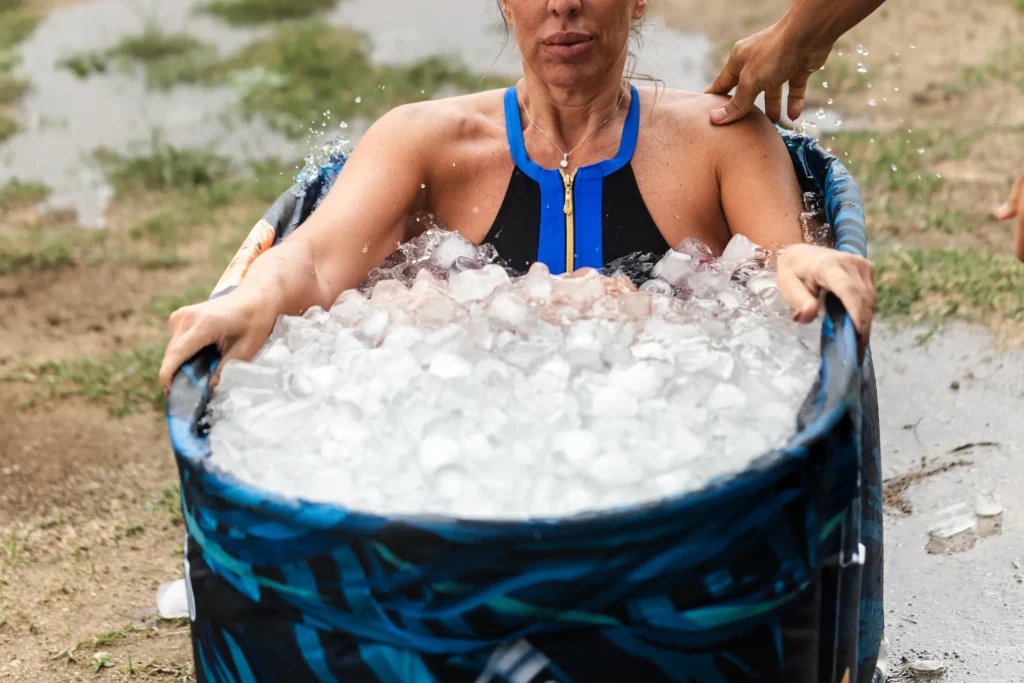
Cold plunges have had an extraordinary run in mainstream media. The problem is that most of the content surrounding them conflates three quite different claims: brown fat activation, mental health benefits, and recovery from exercise. The evidence base behind each of these is meaningfully different in quality and robustness.
Let’s start with what’s reasonably well supported. Brown adipose tissue (BAT) is metabolically active fat tissue whose primary job is thermogenesis — converting energy to heat rather than storing it. Unlike white adipose tissue, BAT activation increases energy expenditure, and there’s decent evidence that regular cold exposure both activates existing BAT and promotes “browning” of white fat (conversion to beige adipose tissue). A 2021 paper by Susanna Søberg and colleagues published in Cell Reports Medicine specifically examined winter swimmers and found significantly altered brown fat thermoregulation and enhanced cold-induced thermogenesis compared to controls.[2]
A systematic review and meta-analysis published in Biomedicines (February 2024, DOI: 10.3390/biomedicines12030537) assessed seven human RCTs and non-RCTs examining cold-exposure-induced BAT activation and its metabolic effects. Findings showed cold exposure significantly improved glucose and lipid homeostasis compared to thermoneutral conditions, particularly in metabolically healthy young participants. One earlier 2014 study cited in the analysis (Yoneshiro et al., Journal of Clinical Investigation) demonstrated cold exposure could increase energy expenditure by up to 15% through BAT activation.
The caveats are real: total participants across the seven qualifying studies were only 85. This is a small evidence base for broad claims.
Source: Biomedicines 2024, 12(3), 537 · PMC full textSøberg’s research also yielded what’s become known as the “Søberg Protocol” — the observation that deliberate cold exposure of at least 11 cumulative minutes per week, split across 2–3 sessions, ending on cold (not transitioning immediately to heat), appears to be the threshold for consistent BAT-related benefits. This was discussed in detail on the Huberman Lab podcast and referenced across her published work.
Now for the less-discussed complication: cold exposure immediately after strength training appears to blunt muscle protein synthesis and hypertrophy signaling. Multiple studies — including work by Llion Roberts and colleagues — have shown that cold water immersion post-resistance training attenuates the mTOR pathway activation you want for muscle growth. If you lift weights and want to maximize hypertrophy, don’t cold-plunge directly afterward. The “contrast therapy” trend (alternating heat and cold) is fashionable but the timing relative to training matters enormously.
Use deliberate cold exposure on non-training days, or at least 4–6 hours after a strength session, if muscle building is a goal. For purely metabolic or mental benefits, the timing restriction is less relevant. Morning cold exposure (pre-stimulant, fasted) appears to have the strongest reported subjective alertness effect, likely via catecholamine release.
Søberg-Informed Cold Exposure Protocol
- 1Target a minimum of 11 minutes of cold immersion per week, across 2–3 separate sessions.
- 2Water temperature: 10–15°C (50–59°F). Colder isn’t necessarily better — below 10°C increases hypothermia risk with diminishing BAT return.
- 3End on cold, not on heat. The rewarming process (shivering, endogenous heat generation) is part of the metabolic stimulus.
- 4Beginners: start with 30-second cold showers and progress over 2–3 weeks. Gradual acclimation reduces shock response and makes the practice sustainable.
- 5Do not use immediately post-strength training if hypertrophy is a primary goal.
The majority of BAT studies are on young, healthy, lean males. Generalizability to women, older adults, and metabolically compromised populations is less established. The dopamine/mood benefits often cited are real but largely from self-report data and small samples. If you have cardiovascular disease, cold immersion carries non-trivial risk — consult a physician before starting.
03 Time-Restricted Eating: It’s Not About Calories, It’s About Clocks
Time-restricted eating (TRE) has been conflated with intermittent fasting so thoroughly in popular media that the actual mechanism — and the reason it probably works — gets lost. The distinction matters. Intermittent fasting often emphasizes caloric deficit achieved through skipping meals. TRE, as developed by Dr. Satchidananda Panda at the Salk Institute, is about aligning caloric intake with circadian biology. The goal isn’t necessarily to eat less; it’s to eat when your metabolic machinery is primed to process food well.
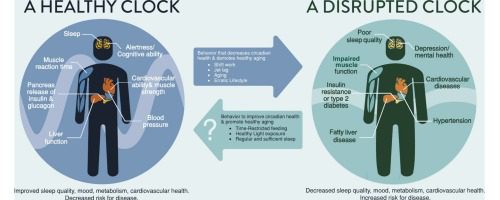
Panda’s core argument, supported by years of animal research and increasingly by human trials: nearly every cell in the body contains a molecular clock. These clocks coordinate insulin sensitivity, lipid metabolism, gut motility, and dozens of other processes in temporal sequences timed to your light-dark cycle. When you eat at the edges of that cycle — late at night, erratically — you disrupt this choreography. The metabolic consequences accumulate quietly but significantly.
Our bodies process sugars and fats very differently depending on the time of day. In time-restricted eating, we’re re-engaging the body’s natural wisdom and harnessing its daily circadian rhythms to restore metabolism and improve health.
— Dr. Satchidananda Panda, Salk Institute, UCSD press release, September 2024
Published September 30, 2024 in the Annals of Internal Medicine, this randomized controlled trial examined a 10-hour eating window in patients with metabolic syndrome already on standard medication. The results were significant: patients showed meaningful improvements in blood sugar, cholesterol, and HbA1c (a marker of long-term glucose management) compared to controls. They also showed decreased body weight, BMI, and abdominal trunk fat — without explicitly reducing caloric intake.
The authors’ interpretation: “Combining time-restricted eating with medications can give metabolic syndrome patients the ability to better manage their disease.”
Source: UC San Diego Health press release · Salk InstituteA separate 2024 meta-analysis in iScience (Cell Press, DOI: 10.1016/j.isci.2024.109000), synthesizing data from multiple TRE human trials, found that TRE produced modest weight loss, lower waist circumference, reduced fasting glucose, lower fasting insulin, and improved HbA1c across populations with overweight and obesity. The researchers noted that the benefits were present even in groups eating ad libitum — suggesting the window itself, not caloric restriction, is doing meaningful work.[5]
For healthy, non-metabolically-compromised people interested in performance optimization, the evidence is thinner but plausible. The circadian mechanics that improve glucose handling in metabolic syndrome patients are operating in everyone. Eating within a consistent 8–10 hour window anchored to the active portion of your day likely supports better sleep quality, more stable energy levels, and reduced nocturnal metabolic stress — even if the effect sizes are smaller in people who already have good baseline metabolic health.
TRE is not keto, not prolonged fasting, and not calorie restriction by definition. You eat the same foods, potentially the same amount — just within a defined window. This makes adherence significantly higher than calorie-counting approaches, which is itself part of why it works in practice.
Panda-Derived TRE Implementation
- 1Define a consistent 8–10 hour eating window that starts within 1–2 hours of waking. Example: 8am–6pm, or 9am–7pm.
- 2Maintain the window 7 days per week, including weekends. Consistency is more important than the window’s exact timing. Irregular windows defeat the circadian benefit.
- 3First calorie starts the clock. Black coffee, water, and plain tea are generally accepted as not starting the eating window (calorie-free, without dairy or sweetener).
- 4Try to avoid eating in the 2–3 hours before sleep. This window has outsize effects on sleep quality and overnight metabolic function.
- 5Track with an app if needed. Panda’s own research app (mycircadianclock.org) has been used in clinical studies and provides free tracking.
TRE is not appropriate as-is for people with a history of disordered eating, Type 1 diabetics on insulin, pregnant women, or those with specific hypoglycemia conditions. Athletes with two-a-day training schedules may need to widen their window. Always flag any structured eating protocol with your physician if you have relevant health conditions.
04 CGM Feedback Loops: Wearing a Glucose Monitor When You Don’t Have Diabetes
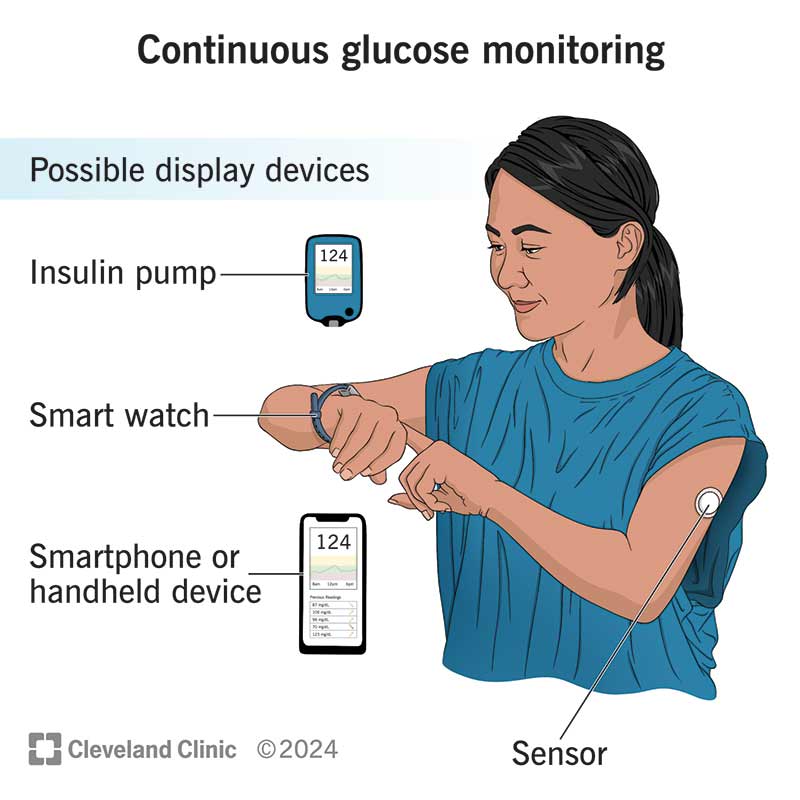
In 2024, the FDA approved over-the-counter continuous glucose monitors (CGMs) for individuals without diabetes — a regulatory shift that opened a market that had been growing quietly among athletes and biohackers for several years. The devices, typically a small sensor patch worn on the upper arm, measure interstitial glucose every few minutes and feed real-time data to your phone.
The pitch is compelling: you can watch in real time how your body responds to specific foods, exercise timing, sleep, stress, and alcohol. It turns glucose from an abstract quarterly lab value into a living readout of your metabolic state. For people who have never had visibility into how a breakfast of oatmeal versus eggs affects their blood sugar two hours later, the experience is genuinely informative — sometimes startling.
The Gatorade Sports Science Institute — not exactly a fringe biohacking source — reviewed CGM use in non-diabetic athletes in 2024 and noted that the technology has “potential for use as an educational learning tool for individuals with and without diabetes to understand how different meal compositions and exercise events can impact circulating glucose levels.”[6] Machine learning models can now predict individual glycemic responses to meals based on personal CGM trace data, gender, age, BMI, and macronutrient content (Zignoli et al., 2024).
A 2026 meta-analysis published in the European Journal of Medical Research (Springer Nature) systematically reviewed CGM use in non-diabetic populations. The meta-analysis showed CGM use significantly improved mean blood glucose compared with controls (SMD = −0.54, 95% CI −1.02 to −0.07; P = 0.03). Behavioral adherence to dietary changes also improved in CGM-using groups.
However — and this is the part that gets less attention — a 2025 study from Mass General Brigham found that in individuals with prediabetes and normal glucose levels, CGM metrics did not correlate well with HbA1c, the established long-term glucose management marker. The implication: CGM data is real-time and useful for behavioral feedback, but shouldn’t be over-interpreted as a reliable standalone predictor of metabolic disease risk in non-diabetics.
Sources: Eur. J. Med. Research 2026 · Mass General Brigham, 2025This points to what I think is the most honest framing of CGM for healthy people: it’s an educational tool, not a diagnostic one. Wearing a Dexcom Stelo or Abbott Lingo for four weeks will teach you more about how your body responds to food and activity than almost any single intervention. The glucose spike from white rice at 7pm versus 12pm, the effect of a 15-minute walk after a large meal, the way alcohol disrupts overnight glucose variability — seeing this data builds intuition that lasts even after you stop wearing the sensor.
How to Use a CGM Intelligently as a Non-Diabetic
- 1Start with a single two-week sensor (now widely available OTC in the US via Dexcom Stelo ~$89/month, or Abbott Libre). You don’t need to wear one forever.
- 2Run structured experiments: eat the same breakfast two days in a row, once with a 10-minute walk afterward and once without. Note the spike difference.
- 3Watch meal sequence: protein and vegetables before carbohydrates consistently blunts post-meal spikes in multiple small trials. Test this on your own data.
- 4Look at overnight glucose. A flat, stable trace around 80–90 mg/dL is the goal. Alcohol reliably disrupts this. So does a very late large meal.
- 5Don’t obsess over individual readings. The useful metric is glycemic variability (GV) over time, not any single peak.
A small but real subset of CGM users — particularly those with anxiety around food — develop maladaptive behaviors in response to watching glucose data. Every spike becomes a crisis. Eating becomes fearful. If you have any history of disordered eating, or notice CGM data increasing food anxiety rather than reducing it, discontinue and consider discussing with a professional. The tool is meant to inform, not govern.
05 HRV-Guided Recovery: Training by What Your Nervous System Actually Tells You
Heart rate variability — HRV — has been used in elite sports science for decades. The idea is simple: a higher HRV (more variation between heartbeats) reflects a well-recovered, parasympathetically dominant nervous system. A low HRV, particularly when it’s low relative to your own baseline, suggests your body is under stress — whether from training, poor sleep, illness, or psychological load. Using HRV to modulate training intensity — pulling back when low, pushing when high — is one of the more cognitively honest forms of self-experimentation available.
The key word is relative. Absolute HRV values vary enormously between individuals, age groups, and fitness levels. A 55 ms overnight HRV might be exceptional for a 60-year-old and poor for a 30-year-old endurance athlete. The only comparison that matters is you against your own recent baseline — typically a 7-14 day rolling average. This is why consistency in measurement is essential: same device, same time of day (or night), same body position.
A 2025 study in Physiological Reports (Wiley, DOI: 10.14814/phy2.70527) assessed nocturnal RHR and HRV accuracy across consumer wearables against ECG reference in 13 healthy adults over 536 nights. Results:
Oura Gen 4: CCC = 0.99, MAPE = 5.96% — highest accuracy for HRV
Oura Gen 3: CCC = 0.97, MAPE = 7.15%
WHOOP 4.0: CCC = 0.94, MAPE = 8.17% — acceptable accuracy
Garmin Fenix: CCC = 0.87, MAPE = 10.52% — lower concordance
Polar Grit X Pro: CCC = 0.82, MAPE = 16.32% — poor HRV concordance
The finger-based photoplethysmography of the Oura Ring produces cleaner HRV signals than wrist-based devices, owing to richer vasculature at the fingertip.
Source: Physiological Reports, 2025 · PMCHow do you actually use HRV data? The practice that shows up most consistently in sports science literature is a simple traffic-light system: when your HRV is notably below your baseline, that’s a signal to train at Zone 1–2 intensities only, or to take a full rest day. When it’s at or above baseline, higher-intensity work is physiologically appropriate. This sounds obvious. In practice, it’s remarkably hard for competitive or goal-driven people to follow — there’s a powerful psychological tendency to train hard regardless of readiness signals.
Beyond training decisions, HRV data is a surprisingly sensitive proxy for total allostatic load — the cumulative physiological cost of stress from all sources. A stressful work week will show up in your HRV before you consciously register the strain. Travel, alcohol, overtraining, illness, poor sleep, and emotional stress all drive HRV down. Tracking this honestly over months creates a data-rich picture of what actually affects your recovery capacity.
HRV-Guided Training: Practical Implementation
- 1Choose a validated device: Oura Ring (Gen 3 or 4) for highest accuracy; WHOOP 4.0 or 5.0 for wrist-based with acceptable accuracy. Avoid using lower-concordance devices for HRV-based decisions.
- 2Establish a 2–4 week baseline before making training decisions from the data. Your own trend is more useful than any absolute number.
- 3HRV 5–10% below your 7-day rolling average: reduce intensity, prioritize Zone 2 or rest.
- 4HRV at or above baseline: proceed with planned training, including higher-intensity sessions.
- 5Note external context. A single low-HRV morning after a late flight or one glass of wine is noise. Persistent suppression over 3–5 days is a signal worth heeding.
- 6Treat lifestyle factors first: sleep duration, alcohol, training load, and stress management have larger effects on HRV than any supplement or device-based intervention.
HRV anxiety is a real phenomenon — people who check their score first thing every morning and let it define their mood and self-worth for the day. A low HRV on a given morning tells you something useful about training readiness; it doesn’t tell you you’re sick, broken, or aging rapidly. Use the trend, not the single data point, and keep the data in context.
Side-by-Side: Evidence Strength, Effort, and Cost
It helps to see these five techniques side by side before deciding where to start. The “evidence strength” rating is an honest assessment of the quality and scale of current human research, not the plausibility of the mechanism.
| Technique | Evidence Strength (Human) | Time/Effort | Cost | Biggest Risk | Best For |
|---|---|---|---|---|---|
| Zone 2 Training Mitochondrial biogenesis |
★★★★☆ Strong mechanistic + correlational; limited long-term RCTs on lifespan specifically |
3+ hrs/week, low intensity | $0 (walking) to gym/bike cost | Training too hard; skipping in favor of “more intense” work | Everyone, but especially strength-focused athletes lacking aerobic base |
| Deliberate Cold BAT activation |
★★★☆☆ Mechanistically sound, human trials small (n=85 in key meta-analysis) |
11+ min/week in sessions | $0 (cold shower) to $5K+ (plunge tub) | Blunted hypertrophy if post-lifting; cardiovascular risk in susceptible individuals | Metabolic optimization, mood, mental resilience training |
| Time-Restricted Eating Circadian alignment |
★★★★☆ Strong animal data; 2024 Annals of Internal Medicine RCT in humans; growing meta-analytic support |
Behavioral only — no extra time | $0 | Disordered eating risk; inappropriate for T1D, athletes with high training volume | Metabolic syndrome, anyone with erratic eating patterns, sleep improvement |
| CGM Feedback Glucose awareness |
★★☆☆☆ Behavioral benefit shown; CGM metrics don’t reliably map to HbA1c in non-diabetics (MGB, 2025) |
Passive monitoring; analysis time varies | ~$89–$120/month (OTC in US) | Orthorexic over-response; false precision | Short-term use as an educational tool; not a permanent wear |
| HRV-Guided Recovery Autonomic readiness |
★★★★☆ Well-validated in elite sport; strong physiological basis; device accuracy now well-documented |
Passive; sleep tracking is automatic | $300–$600 device (Oura, WHOOP) | Anxiety about scores; ignoring data that conflicts with desire to train | Athletes managing periodization; anyone prone to overtraining |
The Honest Caveats the Optimization Industry Skips
A few broader points worth making explicitly, because they get obscured in most biohacking content.
Individual response variance is larger than most people admit
The personalized nutrition studies — particularly those from Eran Segal’s group at the Weizmann Institute — showed that glycemic responses to identical foods vary dramatically between individuals. What spikes one person’s glucose barely moves another’s. This is why the CGM-as-educational-tool framing is more defensible than CGM-as-dietary-prescription. The same principle applies, to varying degrees, to cold exposure, TRE window length, and even Zone 2 heart rate ranges. Population-level studies give you starting points. Your own data refines them.
Sleep is the foundation everything else builds on
None of these techniques will compensate for chronic sleep restriction. An HRV below baseline after six hours of sleep isn’t a signal to cold-plunge harder. Zone 2 training at 6am on five hours of sleep produces a different hormonal environment than the same session after seven or eight hours. Matthew Walker’s work at UC Berkeley (published across multiple peer-reviewed papers and summarized in his book Why We Sleep) makes a compelling case that sleep is the single highest-leverage intervention available — and it costs nothing. Any biohacking framework that doesn’t center sleep quality first is incomplete.
The supplement industry is not your friend here
Every one of the five techniques in this post involves either exercise, behavioral timing, temperature, or monitoring. None requires a product beyond the monitoring device itself. This is by design — the evidence for the supplements most heavily marketed in biohacking circles (NMN, resveratrol at scale, most nootropics) is considerably thinner than the evidence for what’s described above. The longevity researcher David Sinclair at Harvard has done interesting work on sirtuins and NMN — but as of 2025, controlled human trials showing meaningful lifespan or performance extension from supplementation remain limited. The behavioral and physiological interventions described here have stronger evidence bases than most supplements on the market.
Complexity kills adherence
One of the most consistent findings in behavioral health research is that intervention complexity inversely predicts adherence. Trying to implement all five of these simultaneously, while tracking twelve biomarkers and following a stack of supplements, is a reliable path to burnout and abandonment. The right approach is sequential: establish Zone 2 training as a consistent habit first. Add TRE when that’s stable. Experiment with cold exposure for a month. Run a CGM experiment during a period of stable habits. Track HRV as a long-term readout. Build the stack over six months, not six days.
References & Primary Sources
- San Millán, I. & Brooks, G.A. Reexamination of Cancer Hallmarks: Lactate as a Metabolic Target in Cancer Therapy. Frontiers in Physiology. Also see San Millán’s zone 2 physiology lecture series, University of Colorado School of Medicine.
- Søberg, S. et al. (2021). Altered Brown Fat Thermoregulation and Enhanced Cold-Induced Thermogenesis in Young, Healthy, Winter-Swimming Men. Cell Reports Medicine, 2, 100408. DOI: 10.1016/j.xcrm.2021.100408
- Yoneshiro, T. et al. (2013). Recruited Brown Adipose Tissue as an Antiobesity Agent in Humans. Journal of Clinical Investigation. Referenced in Biomedicines 2024 meta-analysis.
- UCSD / Salk Institute. (2024). Time-Restricted Eating Trial, Annals of Internal Medicine. UCSD press release
- Wu, C. et al. (2024). Time-restricted eating improves health because of energy deficit and circadian rhythm: A systematic review and meta-analysis. iScience. DOI: 10.1016/j.isci.2024.109000
- Gatorade Sports Science Institute. (2024). Continuous Glucose Monitoring Use in Athletes Without Diabetes. gssiweb.org
- Rodriguez, J.A. et al. (2025). Lack of Association Between Hemoglobin A1c and Continuous Glucose Monitor Metrics among Individuals with Prediabetes and Normoglycemia. Diabetes Technology and Therapeutics. DOI: 10.1177/15209156251379506. MGB announcement
- Dial, R. et al. (2025). Validation of nocturnal resting heart rate and heart rate variability in consumer wearables. Physiological Reports. DOI: 10.14814/phy2.70527
- Liang, T., Yilmaz, G. & Soon, C-S. (2024). Deriving Accurate Nocturnal Heart Rate, rMSSD and Frequency HRV from the Oura Ring. Sensors, 24(23), 7475. DOI: 10.3390/s24237475
- Manoogian, E.N.C. et al. (2022). Time-restricted Eating for the Prevention and Management of Metabolic Diseases. Endocrine Reviews, 43(2), 405–436. DOI: 10.1210/endrev/bnab027
- Biomedicines 2024. Metabolic Effects of Brown Adipose Tissue Activity Due to Cold Exposure in Humans: Systematic Review and Meta-Analysis. Biomedicines 2024, 12(3), 537
- Attia, P. (2025). Zone 2: foundations, mechanisms, finding your zone 2, programming, and progression. peterattiamd.com
More from FutureNow
The 2026 Smartwatch That Replaces Your Doctor—Shockingly Accurate
The Flying Bike Shocking the World in 2026
5 Weird Lifestyle Experiments That Actually Work
The Secret Longevity Diet Hacks Billionaires Are Using in 2025-2026
Biohacking Secrets 2026: How Hackers Add 20 Extra Years to Life
Why Cold Showers Are the New Luxury Trend
Will Humans Really Live on Mars by 2035?