
5 Weird Lifestyle Experiments
That Actually Work
Cold water at 14°C that spikes dopamine by 250%. A digital fast that cuts anxiety symptoms nearly in half in seven days. Floor sleeping that may be quietly fixing your posture. These experiments sound odd. The data behind them is harder to dismiss than you’d expect.
Most wellness advice ages badly. Someone swears by a protocol, a journalist publishes a breathless feature about it, and within eighteen months the replication attempts come back flat. That cycle has happened often enough that healthy skepticism about any “life-changing habit” is just good epistemics.
The five experiments below are different — not because they’re miracle cures, but because they keep accumulating supporting data from institutions with no financial stake in the outcome. Some of the findings are still preliminary; I’ll say so when they are. None of these things will fix a broken diet, chronic stress, or serious medical conditions. But several of them are quietly more interesting than the mainstream conversation gives them credit for.
Each entry covers the mechanism, the best available evidence, a realistic what-to-expect, and the genuine limitations you should know before trying it yourself. Not sure which one fits your situation? Skip to the 60-second quiz for a personalized starting point.
The Dopamine Spike That Lasts Two Hours
What happens to your brain chemistry when you get into 14°C water
The pitch sounds like something off a wellness influencer’s Substack: take cold showers, feel amazing. And for years that’s roughly how it was treated — anecdote dressed up as insight. But the neurochemistry underneath is becoming more serious than that framing suggests.
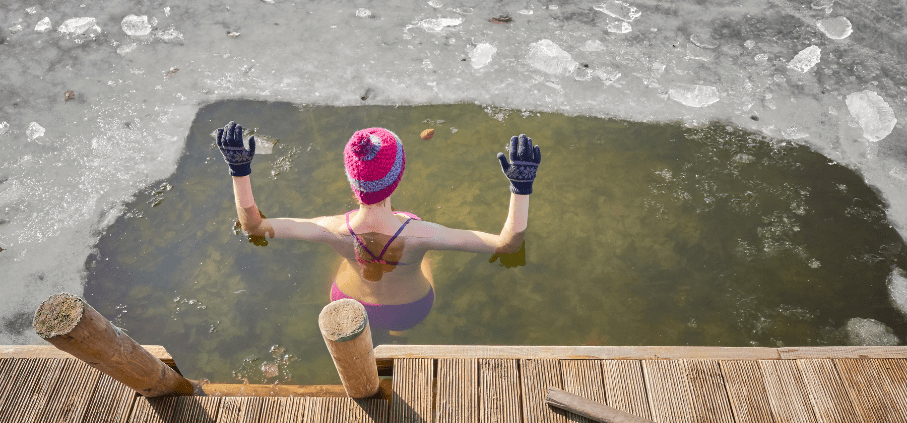
The specific numbers come from a landmark study by Vaswani and colleagues, widely cited by researchers and later discussed by Stanford neuroscientist Andrew Huberman in his detailed cold exposure protocol. Immersion in water at roughly 14°C (57°F) produced a 250% increase in dopamine levels, with effects that lasted approximately two hours after the session ended. Norepinephrine — the other key neurotransmitter involved in alertness and mood — rose by an even more striking 530%.
post cold immersion
same protocol
elevated dopamine
in key study
Cold water activates the TRPM8 (transient receptor potential cation channel M8) thermoreceptors in your skin, triggering a sympathetic nervous system response. This cascade releases catecholamines — dopamine, norepinephrine, epinephrine — from the adrenal medulla and certain brain regions. A 2023 fMRI study published in Biology (MDPI, PMC9953392) found that cold-water immersion measurably increases neural interaction between large-scale brain circuits including the medial prefrontal cortex, anterior insula, and anterior cingulate cortex — all regions involved in emotional regulation and mood.
The review published in The Journal of Neuropsychiatry and Clinical Neurosciences (appi.neuropsych.20240053) describes the process as “neurohormesis” — controlled, beneficial stress that adapts the nervous system over time.
The depression angle is worth taking seriously. SNRI antidepressants work precisely by increasing norepinephrine signalling. Cold immersion triggers a similar biochemical event without the pharmacological mechanism — which is either very interesting or overblown depending on your prior. A 2024 review published by York University’s Trauma and Mental Health Institute found several studies showing mood improvements immediately after and 30 minutes after cold water immersion, alongside significant improvements in self-esteem and depression ratings. One case study tracked a woman with major depressive disorder who began cold water swimming; after four months she discontinued medication and remained symptom-free at the one-year follow-up.
Is that case study proof of anything? No. But it’s consistent with the neurochemical mechanism and warrants the larger RCTs that are currently underway.
The protocol that researchers tend to use is 1–3 minutes of immersion or cold shower (ending cold, not beginning cold) at temperatures between 10–15°C. Huberman’s lab recommends cumulative cold exposure of roughly 11 minutes per week, broken into multiple sessions.
The honest verdict: this is probably one of the better-supported “weird” interventions on this list. The neurochemical mechanism is clear, the studies are starting to replicate, and the cost of entry is a cold shower. The gap between what’s proven and what’s claimed by enthusiasts is still large — it’s not a depression cure — but as a mood and focus tool with an afternoon’s duration, the data is genuinely interesting.
Reaching for a second coffee around 2–3pm. Mood flat, focus foggy, motivation to start the next task noticeably lower than in the morning.
Within minutes of a 1–3 minute cold session: measurably elevated dopamine and norepinephrine, with the lift in mood and alertness reported to persist for roughly two hours — no caffeine required.
When You Eat Matters Almost As Much As What You Eat
16:8 fasting, circadian alignment, and what the 2024–2025 meta-analyses actually show
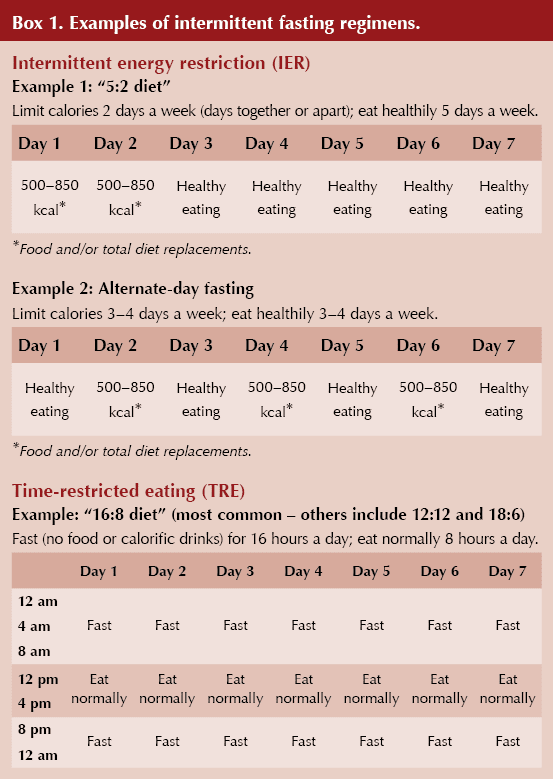
Time-restricted eating — compressing your daily food intake into an 8-hour window and fasting the remaining 16 — has been popular in gym circles for a decade. What’s changed recently is the quality and volume of research, and the emerging understanding that the timing of that window (earlier vs. later in the day) may matter significantly.
A 2024 randomised controlled trial compared 16:8 TRE, 14:10 TRE, and a standard control diet in patients with type 2 diabetes and obesity. Body weight decreased by −4.02% in the 16:8 group and −3.15% in the 14:10 group, compared to just −0.55% in the control group. The 2025 Oxford meta-analysis published in Nutrition Reviews reviewed evidence through January 2025, confirming effects on glucose metabolism and lipid profiles, though with some conflicting results across sub-populations.
reduction in 16:8 RCT
vs −0.3% diet-only
duration
Your metabolism is not constant throughout the day. Insulin sensitivity is higher in the morning, and glucose disposal is slower in the evening. Eating late at night creates a mismatch between food intake and your circadian metabolic rhythm. TRE — especially early TRE aligned with morning hours — corrects this mismatch, allowing the gut, liver, and pancreas to cycle through proper fed/fasted states. The fasting period also activates autophagy (cellular cleanup), reduces inflammatory markers, and improves mitochondrial efficiency. Research cited in Frontiers in Nutrition (2025) notes that intentional dietary restriction also activates brain regions linked to executive function and impulse control, while reducing circulating cortisol and inflammatory markers.
The “which window?” question is more contested than the marketing suggests. A 2025 RCT that compared early TRE (eating window 8am–4pm) and late TRE (12pm–8pm), combined with physical activity in overweight women, found the 16:8 regimen produced significant improvements in functional walking capacity and metabolic health across both groups. But early eaters tended to show stronger metabolic improvements, consistent with the circadian hypothesis.
| Protocol | Eating Window | Evidence Strength | Best For | Challenges |
|---|---|---|---|---|
| 16:8 Early | 7am – 3pm | Strong (circadian-aligned) | Metabolic health, blood sugar | Difficult with social eating |
| 16:8 Standard | 12pm – 8pm | Moderate-strong | Weight loss, adherence | Late eating less optimal |
| 14:10 | 9am – 7pm | Moderate | Beginners, shift workers | Smaller metabolic effect |
| 5:2 (IF) | Normal 5 days, 2 restricted | Moderate | Equal weight loss to 16:8 | Two difficult days weekly |
A significant practical detail that rarely makes it into the popular coverage: the research consistently shows that adherence correlates strongly with outcomes. TRE that people actually stick to outperforms theoretically superior protocols that they abandon. A mid-day eating window (noon to 8pm) often has better compliance rates than early TRE, even if it’s slightly less metabolically ideal.
The honest verdict: the evidence base for 16:8 TRE is genuinely solid for metabolic health in overweight and obese adults, and it’s improving. The weight-loss effects are real but modest — roughly comparable to mild caloric restriction. The more interesting claim — that circadian alignment independently improves metabolic outcomes beyond the calorie deficit — has strong theoretical support and growing empirical backing. It probably works for reasons beyond just eating less.
Eating across a 12–14 hour window most days, with late-evening snacking, noticeable blood sugar swings, and morning bloat or sluggish digestion.
In the cited RCT, participants on 16:8 saw an average 4% reduction in body weight and measurable improvements in HbA1c versus diet-only controls — alongside more stable energy through the day.
Walking Barefoot and What It Might Be Doing to Your Inflammation
Electrons, free radicals, and why this one deserves more serious attention than it gets
Of the five experiments in this article, earthing — or grounding, the practice of direct barefoot skin contact with natural ground surfaces — has the weakest overall evidence base and the most vigorous community of enthusiasts who overclaim on its behalf. I’m including it anyway, partly because the mechanism isn’t obviously nonsense, and partly because the benefit profile of simply walking barefoot on grass for 20 minutes each day overlaps heavily with well-established benefits of outdoor walking regardless of footwear.
The theory: Earth’s surface carries a natural negative electrical charge. Modern footwear — rubber-soled, constantly worn indoors — insulates the body from this charge. When the bare skin contacts ground, electrons transfer into the body, potentially acting as antioxidants and neutralising positively charged free radicals involved in chronic inflammation. A 2012 review published in the Journal of Environmental and Public Health (PMC3265077) described earthing as producing “intriguing physiological changes” including reduced inflammation, improved sleep, and a shift from sympathetic to parasympathetic autonomic tone.
A 2019 review in Explore: The Journal of Science and Healing consolidated roughly 20 studies and reported “wide and significant physiological improvements when the body is grounded vs. non-grounded” — covering inflammation biomarkers, blood viscosity, cortisol levels, and subjective pain. The same review noted that some effects “develop rapidly,” sometimes within 30–40 minutes of grounding contact.
The complicating factor: most earthing studies are small, have methodological limitations, and can’t be truly double-blinded (you know whether you’re barefoot or not). Dr. Melissa Lem, clinical assistant professor at the University of British Columbia, told CNN in late 2025 that the scientific evidence is “still emerging” and recommends caution with the more expansive health claims.
The Cleveland Clinic’s position, shared by many mainstream physicians, is that the specific electromagnetic claims are unproven but that the confounding benefits are real: outdoor exposure, contact with nature, physical walking, reduced cortisol from sensory engagement with natural environments. Forests are measurably rich in phytoncides — antimicrobial compounds from trees — which have their own immune-boosting and stress-reducing effects.
“Reconnection with the Earth’s electrons has been found to promote intriguing physiological changes and subjective reports of well-being.” — Chevalier et al., Journal of Environmental and Public Health, PMC3265077
In other words: the specific electron-transfer mechanism may or may not be the active ingredient. But “take your shoes off and walk on grass for 20–30 minutes a day” is a bundle of interventions — movement, nature exposure, sensory stimulation, probably some cortisol reduction — that lands in a region where evidence is robust even if the grounding-specific theory isn’t fully settled.
More recently, an active clinical trial registered at ClinicalTrials.gov (NCT06767059) is examining conductive earthing in women with breast cancer, measuring impacts on pain, fatigue, and sleep problems through grounded footwear. The field is moving, just slowly.
The honest verdict: the electromagnetic theory of earthing is genuinely uncertain and some claims made by proponents go well beyond the evidence. But the practice has a cost close to zero, a plausible mechanism, a growing (if imperfect) evidence base, and significant confounding benefits from outdoor walking and nature contact. It’s one of those experiments where the worst-case scenario is an enjoyable barefoot walk.
Shoes on indoors and out. Daily steps taken entirely on concrete, asphalt, or carpet — no direct skin contact with the ground, ever.
Reviewed studies report self-rated improvements in pain, stress, and sleep developing within 30–40 minutes of grounding contact — on top of the well-established benefits of simply walking outdoors.
The Hidden Cost of Breathing Through Your Mouth
Nitric oxide, sleep apnea, and why mouth tape is less strange than it sounds
James Nestor’s 2020 book Breath brought wide attention to a body of research that most people — and most physicians — had largely ignored: chronic mouth breathing is associated with a surprisingly wide range of problems, from dental deterioration to disrupted sleep, from structural facial changes to reduced athletic performance. The experiment of consciously switching to nasal breathing only (including the mildly bizarre practice of taping your mouth shut while sleeping) is one that scientists including Stanford’s Andrew Huberman have started endorsing based on accumulating evidence.
The nasal passages do something the mouth doesn’t: they produce nitric oxide, a gas that relaxes smooth muscle and dilates blood vessels, improving oxygen delivery to tissues. Nasal breathing also warms and humidifies incoming air, filters pathogens through the mucous and nasal microbiome, and creates more resistance than mouth breathing — which counterintuitively means the lungs inflate more efficiently. Research cited from the Huberman Lab, rooted in work at Stanford and multiple peer-reviewed sources, indicates that people perform better on cognitive tasks while inhaling through their noses due to activation of the brain’s olfactory pathways — the oldest sensory system in mammals.
only by nasal passages
inflation via nasal resistance
habitual mouth breathing
Mouth breathing during sleep is directly linked to higher rates of obstructive sleep apnea. Apnea disrupts deep sleep architecture, blunts testosterone and estrogen production (both regulated by sleep quality), raises cortisol, and is associated with cardiovascular risks over the long term. Training the body to breathe nasally during sleep — through habitual practice during the day, and mouth taping for those who find themselves breathing through the mouth at night — reduces apnea events and improves sleep quality. Stanford neuroscientist Andrew Huberman, PhD, discusses this mechanism in depth, noting that nasal breathing also modulates the autonomic nervous system balance toward parasympathetic (calming) states.
On cognition: studies comparing nasal versus mouth breathing show measurably better performance on memory retrieval tasks during nasal inhalation, an effect attributed to olfactory system activation that propagates to the hippocampus and prefrontal cortex.
The facial structure dimension is perhaps the most striking long-term finding. Dentists and orthodontists have noted for decades that children who mouth-breathe develop different facial architecture — longer, narrower faces, higher arched palates, and different jaw positioning — compared to habitual nasal breathers. Adults who switch to nasal breathing don’t reverse existing structure, but there’s some evidence of gradual remodelling over years. The book Breath walks through the anthropological evidence in unusual detail.
Practical Transition Protocol
Start during rest: Practice nasal breathing while seated, reading, or at a computer. Your nose may feel blocked initially; this is usually temporary nasal congestion that clears as you breathe more through the nose.
Exercise with nasal breathing: Walk or do light cardio exclusively through the nose. You’ll need to slow down at first. Over 4–8 weeks, pace at the same breathing rate improves substantially as the body adapts.
Check your sleep position: Side sleeping supports nasal breathing better than supine (on your back), which promotes mouth-fall-open patterns.
Consider mouth tape: Low-adhesive medical or mouth-specific tape over the lips at night helps those who mouth-breathe during sleep. Not appropriate with severe congestion, untreated sleep apnea, high BMI, or if you’ve consumed alcohol or sedatives.
Monitor over 4–6 weeks: Track sleep quality, energy on waking, and morning mouth dryness. These are the most immediate measurable markers.
The honest verdict: this is one of the best-supported experiments here, particularly for sleep improvement and athletic adaptation. The evidence is less about a single dramatic mechanism and more about correcting a chronic default (mouth breathing) that quietly degrades multiple systems simultaneously. The cost is genuinely zero — it’s just a change in habit.
Waking with a dry mouth, occasional snoring, and morning grogginess despite a full night in bed. Breathing through the mouth during exercise without noticing.
Quieter, more consolidated sleep with less apnea-linked disruption, easier exercise pacing through the nose, and sharper recall on tasks performed during nasal inhalation.
What a Week Without Instagram Actually Does to Your Anxiety
New JAMA data, a meta-analysis from 2024, and the unexpected catch
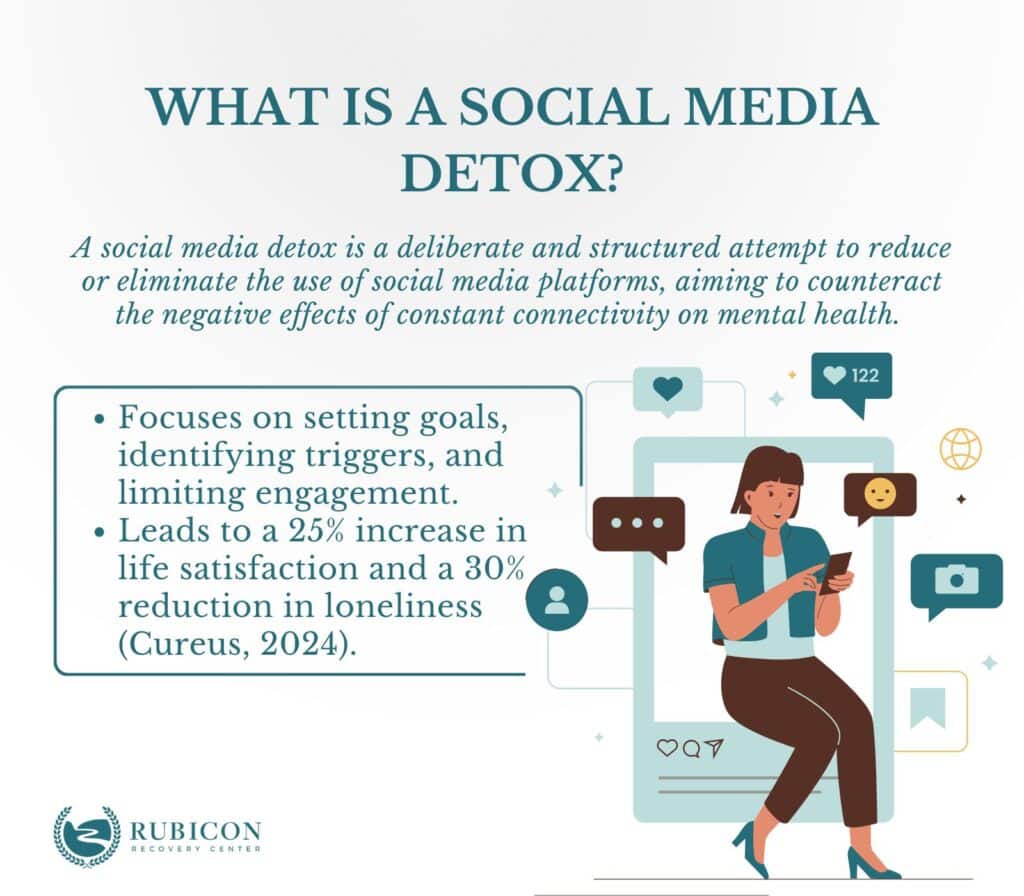
In November 2025, JAMA Network Open published a cohort study out of Beth Israel Deaconess Medical Center and the University of Bath that is the most rigorous examination yet of social media fasting in young adults. The study followed 373 participants through two weeks of baseline measurement, then offered an optional one-week detox from five platforms — Facebook, Instagram, Snapchat, TikTok, and X (formerly Twitter).
The results are hard to wave away. A one-week social media detox reduced anxiety symptoms by 16.1%, depression symptoms by 24.8%, and insomnia by 14.5% among participants who completed the intervention. (JAMA Network Open 2025, DOI: 10.1001/jamanetworkopen.2025.45245)
after 7-day detox
reduced
reduced
in JAMA study
A systematic review and meta-analysis published in Narra J in August 2024 (PMC11392003) analysed 10 studies and found a significant effect of digital detox on depression (SMD: −0.29; 95% CI: −0.51, −0.07; p=0.01). Notably, effects on life satisfaction and stress did not reach statistical significance. This distinction matters: digital detox appears to specifically reduce depressive symptoms and may not be a general-purpose happiness booster.
A comprehensive scoping review published in January 2025 in Cureus (DOI: 10.7759/cureus.78250) found that excessive social media use — particularly habitual scrolling driven by adaptive feed algorithms — is consistently linked to anxiety, sleep disturbances, and obsessive-compulsive behaviours.
Here’s the catch that the JAMA study’s authors were careful to flag: most participants successfully cut social media from 1.9 hours daily to 0.5 hours, but their total phone screen time actually increased slightly. People replaced social media with other apps. This suggests the specific mechanism isn’t “less phone” but “less social media” — the comparison, the algorithmic feed, the variable-reward scroll — not the device itself.
A separate 2025 analysis noted that searches for “digital detox” more than tripled between 2023 and 2024, while average daily smartphone use continues rising. The awareness-behaviour gap is real. Knowing this is bad for your mental health does not, on its own, make it easier to stop.
| Approach | Evidence Level | Depression | Anxiety | Sleep | Practical Difficulty |
|---|---|---|---|---|---|
| 7-day full detox | JAMA RCT (2025) | ↓ 24.8% | ↓ 16.1% | ↓ 14.5% | High (social costs) |
| Daily limit (30–60 min) | Moderate (observational) | Moderate | Moderate | Modest | Medium |
| No phones before bed | Strong (blue light/stimulation) | Unclear | Modest | Significant | Low-Medium |
| Notification-only mode | Weak (emerging) | Minimal | Some | Minimal | Low |
The most consistent practical recommendation from the research is the pre-sleep window: removing social media access for 60–90 minutes before sleep has among the best evidence-to-effort ratios. It avoids the late-evening stimulation that delays sleep onset and cuts off the comparison-and-scroll loop at the time when it is most likely to produce rumination.
The honest verdict: the evidence for measurable mental health improvement from a social media fast — not “less phone” but specifically less social media — is now strong enough to take seriously. The JAMA study has the design quality and sample size that moves this from anecdote territory into something actionable. The effect sizes are modest to moderate, not dramatic. But 25% symptom reduction in depression measures from a seven-day behavioural change, at zero cost, with no side effects, is a number worth paying attention to.
Roughly 1.9 hours a day across social platforms, including a scroll session right before bed and a recurring comparison-and-anxiety loop through the day.
In the JAMA cohort, one week off five major platforms was associated with a 24.8% drop in depression symptoms, a 16.1% drop in anxiety, and 14.5% better sleep — though total screen time didn’t necessarily fall.
Which Experiment Fits Your Lifestyle?
60 seconds · 4 questions · One personalized starting point
Quick-Reference Summary
Evidence quality ratings are approximate and based on available literature through May 2026. Consult a healthcare provider before starting any new protocol.
| Experiment | Evidence Quality | Key Benefit | Time Investment | Cost | Main Caveat |
|---|---|---|---|---|---|
| Cold Immersion | Moderate–Strong | Dopamine/mood (2h), resilience | 2–4 min, 3–5×/wk | Zero (shower) | Cardiovascular risks; blunts hypertrophy |
| Time-Restricted Eating (16:8) | Strong | Metabolic health, weight, blood sugar | Ongoing daily habit | Zero | Not for eating disorder history; athletes need care |
| Earthing / Barefoot Walking | Weak–Moderate | Inflammation, sleep, mood (mixed) | 20–30 min/day outdoors | Zero | Specific mechanism uncertain; confounders large |
| Nasal Breathing Only | Moderate–Strong | Sleep quality, cognition, athletic performance | Continuous habit change | Zero | Mouth tape: not with apnea/congestion/alcohol |
| 7-Day Social Media Fast | Strong (JAMA 2025) | Depression −25%, anxiety −16%, insomnia −15% | 7 days; delete the apps | Zero | Social and professional isolation risks |
What They Share
All five interventions cost nothing, require no equipment, and work by returning the body to conditions it evolved in — cold exposure, food timing, ground contact, nasal airflow, human-scale attention.
What They Don’t Do
None replaces sleep, exercise, diet quality, stress management, or medical treatment. They are complements, not substitutes. Anyone treating serious mental or physical illness should discuss these with their physician first.
Where to Start
If picking one: nasal breathing during sleep has the best effort-to-benefit ratio and compounds across time. The social media fast has the sharpest immediate evidence. Cold showers are the most popular entry point for a reason — the feedback is immediate and unmistakable.
The Honest Caveat
All five lack large, long-duration RCTs. Effect sizes in existing studies range from modest to meaningful. The gap between what enthusiasts claim and what’s proven remains significant. That’s not a reason to dismiss — it’s a reason to experiment thoughtfully.