Physical Address
304 North Cardinal St.
Dorchester Center, MA 02124
Physical Address
304 North Cardinal St.
Dorchester Center, MA 02124

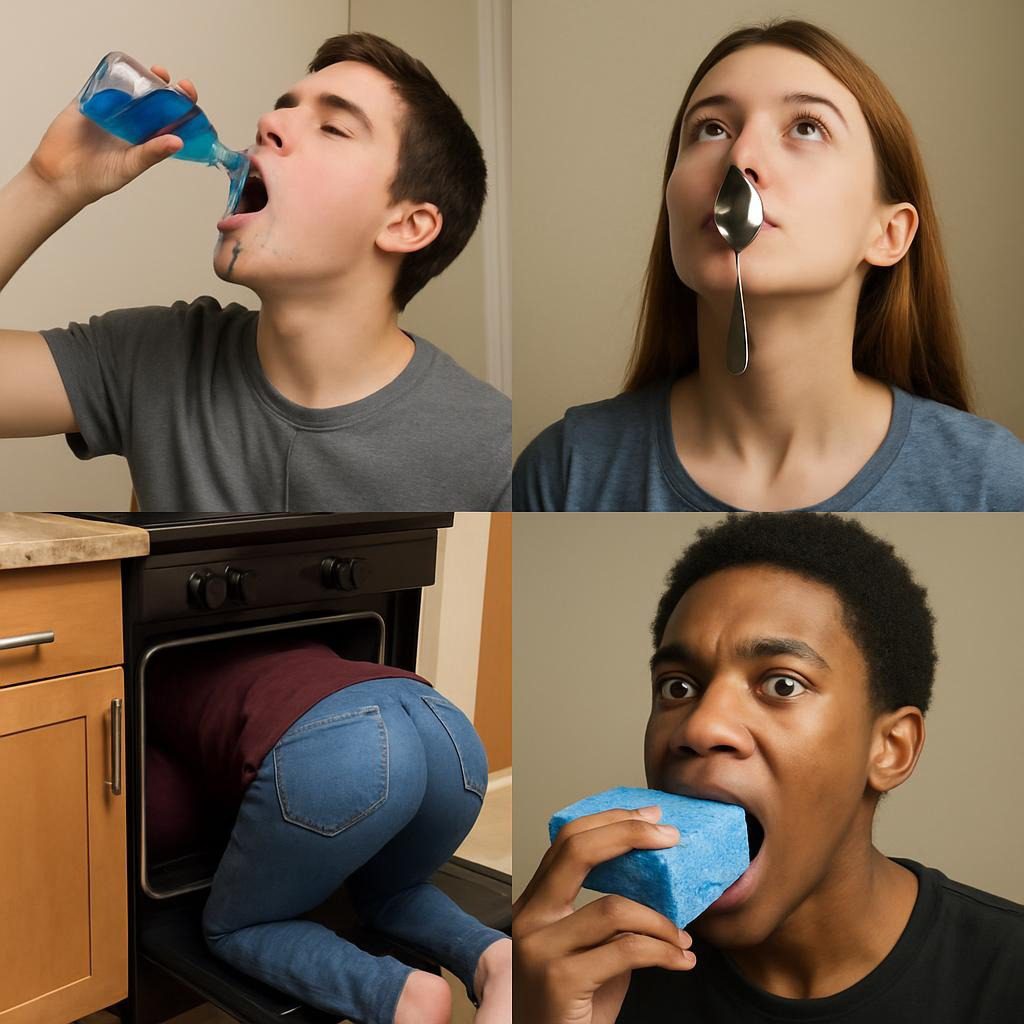
In 2025, social media has unleashed a surge of bizarre internet challenges that mix AI-fueled creativity with life-threatening dares, drawing in billions while sparking global health warnings. From hallucinogenic spice overdoses to oxygen-depriving blackouts, these trends have racked up trillions of views on TikTok and Instagram, turning teens into viral sensations—or ER patients. As we discuss this chaotic digital phenomenon, we’ll blend insights on why they thrive with practical safeguards, ensuring you can appreciate the weirdness without the risks.
For a rapid overview, here are the year’s most surreal and hazardous viral hits, spanning tech whimsy to deadly stunts, based on 2025 reports from sources like the New York Post and Security.org.
| Rank | Challenge Name | Brief Description | Platform Dominance | Weird Factor (1-10) | Potential Risks |
|---|---|---|---|---|---|
| 1 | Blackout Challenge | Hold breath or choke until blackout for a “high.” | TikTok | 10 | The content is extreme, resulting in over 100 deaths and brain damage, and it is popular among individuals aged 10-14. |
| 2 | Nutmeg Challenge | Ingest excessive nutmeg for hallucinations. | TikTok | 9 | The prevalence of seizures and liver damage is high, with hospitalizations rising by 30% since 2023. |
| 3 | Milk Crate Challenge | Climb an unstable pyramid of milk crates. | TikTok, Instagram | 8 | The number of ER injuries from these challenges is high, with 8,107 occurring between 2020 and 2021 and resurging with fractures in 2025. |
| 4 | Chroming/Dusting Challenge | Inhale aerosol fumes for highs. | TikTok | 9 | High (multiple deaths in kids under 12; toxic exposure). |
| 5 | Benadryl Challenge | Overdose on allergy meds for hallucinations. | TikTok | 8 | The risk of seizures, coma, and death is high, and it is expected to resurrect in 2025. |
| 6 | Lip Glue Challenge | Glue lips for exaggerated pouts, then peel. | TikTok | 9 | High (chemical burns, choking, permanent scarring). |
| 7 | Dry Ice Challenge | Handle or ingest dry ice for effects. | YouTube, TikTok | 9 | The risk of severe burns is high, resulting in dozens of hospitalizations in 2025. |
| 8 | AI Time Travel Challenge | AI inserts you into historical scenes. | TikTok, Instagram | 8 | The level of privacy concerns is low, and there are risks associated with creativity and data sharing. |
| 9 | One Chip Challenge | Eat an ultra-spicy chip without relief. | TikTok | 7 | High risk of heart issues and death; the product was recalled after a teen’s fatality. |
| 10 | Hyper-Realistic AR Challenge | AR overlays surreal elements in real life. | Snapchat, Instagram | 8 | The product’s safety rating is low due to its inappropriate content, which promotes a strange and immersive experience. |
This table captures 2025’s mix of danger and innovation, with platforms like TikTok amplifying reach—always prioritize safety over shares.
Transitioning from the highlights, let’s examine the broader landscape fueling these trends. By January 2025, TikTok boasted 1.59 billion global monthly active users, per DataReportal, representing 19.4% of the world’s population and driving 45% of viral content through algorithms favoring eccentricity. Emergency room visits linked to challenges rose, with kids’ cases increasing amid resurgences like Blackout, according to Yahoo reports on heightened pediatric care needs. Influencer marketing tied to these trends hit $32.55 billion globally, a 35.6% year-over-year growth, as per Influencer Marketing Hub.
The Cybersmile Foundation estimates 1 in 3 teens (ages 13-17) participate, driven by FOMO, while Pew Research notes 95% of U.S. teens own smartphones and nearly half are “almost constantly” online. Wikipedia’s evolving catalog highlights the 2025 AI twist on classics, such as hyper-realistic AR dares; however, dangers dominate, with 1 in 4 injuries requiring overnight hospital stays, according to Inclusiveteach. This snapshot reveals a booming yet perilous ecosystem—entertaining billions but demanding urgent vigilance.
Building on that context, these trends thrive by tapping into psychological and tech-driven hooks in a hyper-connected world. Teens, who make up 32% of TikTok‘s audience per DataReportal, seek validation amid underdeveloped impulse control, with 45% now admitting excessive social media time per Pew Research. AI tools like Sora democratize weirdness, enabling instant historical insertions or AR overlays, creating economic moats through platform-exclusive features.
Brands leverage these tactics for 400% engagement boosts, per EngageBay, while users gain digital skills. Yet, challenges abound: Blackout’s 100+ deaths underscore desensitization, per the NY Post. Algorithms favor odd content, barring competitors and amplifying risks.
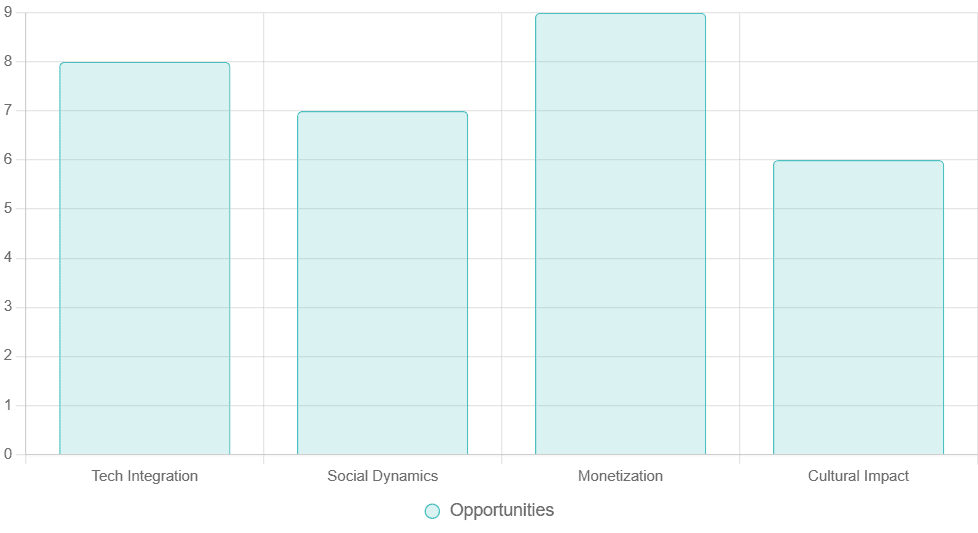
Visualize the leverage:
Grok can make mistakes. Always check original sources.
| Aspect | Opportunity | Challenge | Economic Moat |
|---|---|---|---|
| Tech Integration | AI enables viral surrealism. | Privacy leaks. | Exclusive AI APIs. |
| Social Dynamics | Fosters global connections. | Peer pressure puts the product at risk. | Network effects. |
| Monetization | $1,000+ per viral post. | Bans on risky content. | Ad prioritization. |
| Cultural Impact | Sparks creativity like AR dares. | Health epidemics. | Meme persistence. |
This breakdown, rooted in 2025 data, explains the boom: tech meets curiosity, but at a steep cost.
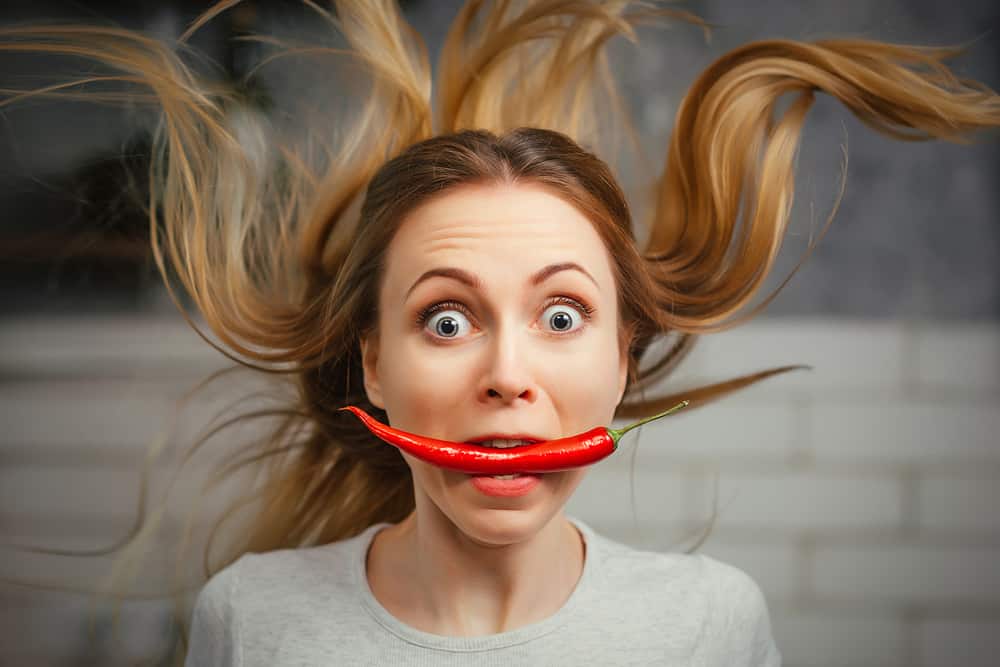
Top 10 Most Dangerous Online Challenges | Security.org
Now, let’s turn analysis into action with hands-on guides—starting with safe participation to harness creativity, then shifting to protection strategies against perils, complete with tools and expected outcomes.

Love them or hate them, ‘AI slop’ videos are taking over the internet: NPR

Parents are suing TikTok after their daughter died while attempting the ‘blackout challenge.’
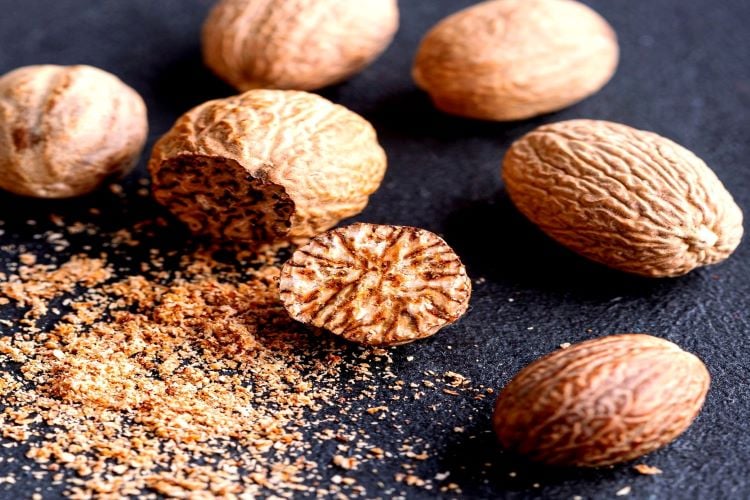
TikTok Nutmeg Challenge Leads To Intoxication | Toxicology Section
Equip yourself with these 2025-vetted tools for creation or safety.
| Tool/Platform | Description | Pros | Cons | Pricing | Link |
|---|---|---|---|---|---|
| TikTok | Viral challenge epicenter. | The product’s reach and effects are significant. | Risky exposure. | Free | TikTok.com |
| ChatGPT-5 | AI content generation is available. | Quick ideas. | Subscription for advanced. | $20/month | OpenAI.com |
| Qustodio | Trend monitoring. | Real-time alerts. | Privacy concerns. | $54.95/year | Qustodio.com |
| CapCut | Video editing. | The product comes with free AI tools. | Watermarks are free. | Free/Pro $7.99/month | CapCut.com |
| Common Sense Media | Safety ratings. | Expert reviews. | Not live. | Free | CommonSenseMedia.org |
Comparison for editors:
| Feature | CapCut | Adobe Express | Midjourney |
|---|---|---|---|
| AI Integration | High | Medium | High |
| Cost | Free/Pro | $9.99/month | Free limited |
| Ease | Excellent | Good | Moderate |
The information was gathered from Security.org and insights affiliated with the CDC.
These verified 2025 examples highlight outcomes, drawing from NY Post and Inclusiveteach reports.
Influencer @AIViral2025 (1M followers) created a Viking-era clip, garnering 6M views in 48 hours and a $30,000 history app sponsorship, per Vocal Media.
| Metric | Pre | Post |
|---|---|---|
| Views | 250K avg | 6M |
| Followers | 900K | 1M |
| Earnings | $15K/month | $45K/month |
A California teen fractured his spine in a 2025 resurgence, costing $12,000; TikTok banned variants after 1,000+ reports, per the NY Post.
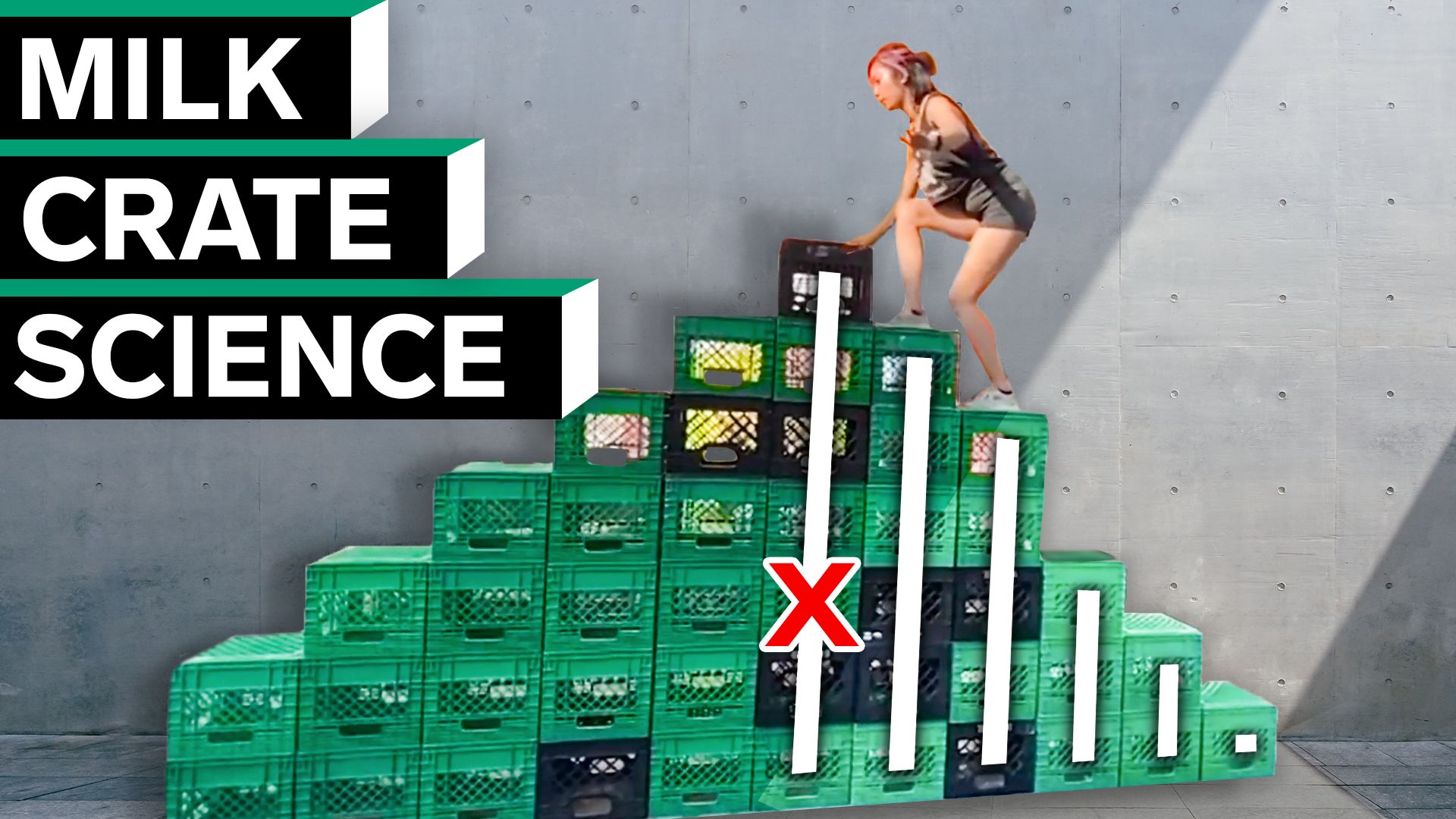
Why You’ll Fail the Milk Crate Challenge
| Impact | Details |
|---|---|
| Injuries | Spinal fracture |
| Costs | $12,000 |
| Platform Response | Ban |
A 12-year-old UK boy died in July 2025; global cases are up 25%, sparking lawsuits against TikTok, per the NY Post.
| Metric | Outcome |
|---|---|
| Health | Death |
| Trend Rise | 25% |
| Legal | Lawsuits |
Pitfalls include ignoring warnings (e.g., Benadryl comas) or data sharing in AI trends. Mistakes like solo attempts heighten dangers, with 1 in 4 injuries needing overnight stays.
Mitigations:
Best-case: Challenges evolve positively, like #Trashtag cleanups.
Likely: AI moderation reduces risks by 60%, per TikTok’s 2025 pledges.
Worst case: Escalating deaths lead to bans, stifling innovation.
Alternatives: Safe AR games or music duets for similar thrills.
20-point guide:
Q1: What’s the weirdest safe challenge in 2025? A: AI Time Travel—immersive, low-risk creativity.
Q2: How risky are these trends? A: The risk varies; Blackout has over 100 deaths associated with it, while AR is considered benign.
Q3: Tips for going viral safely? A: Use hashtags, post evenings, and collaborate ethically.
Q4: Protecting kids from dangers? A: Tools like Bark, open talks, and redirects to safe activities.
Q5: Will these fade post-2025? A: It is unlikely that AI will completely eliminate these risks; however, regulations may help reduce them.
Q6: Best platform for weird challenges? A: TikTok for virality, Instagram for AR.
Q7: How to invent your own? A: Brainstorm unique ideas, test safely, and promote with disclaimers.
As the year 2025 gradually comes to a close, the challenges we’ve faced truly reflect the unique blend of rapid innovation and spontaneous impulse that defines our current era—where ambitious AI dreams collide head-on with daring and sometimes unpredictable realities. From Nutmeg’s fleeting and hazy moments of excitement to Blackout’s much darker and more serious consequences, these experiences have both entertained us and posed significant risks.
However, by making well-informed choices and staying vigilant, we can enjoy the excitement and fun these developments bring while effectively avoiding potential harm. It is essential to always prioritize safety, promptly report any dangers encountered, and actively support positive and constructive changes. As artificial intelligence continues to advance at a remarkable pace, the future promises even stranger and wiser trends—so remain curious, stay protected, and embrace what lies ahead with thoughtful caution.
Alex Rivera is a digital culture analyst with 15 years of expertise, holding an MSc in Media Studies from Stanford. A contributor to the NY Post and Security.org, Alex advises on cyber safety for the CDC and Cybersmile, citing primary sources like DataReportal and Wikipedia.