Physical Address
304 North Cardinal St.
Dorchester Center, MA 02124
Physical Address
304 North Cardinal St.
Dorchester Center, MA 02124


Everything You Need to Know About How Gen Alpha Will Work in the Metaverse
Gen Alpha, the group of kids born from 2010 to 2025, is the first generation to grow up fully surrounded by technology, including the metaverse—a continuous online world that mixes augmented and virtual reality for social, economic, and work activities. As these kids clock an average of 3-4 hours daily on platforms like Roblox and Fortnite, they’re not just playing; they’re prototyping future careers in immersive digital spaces. With the metaverse economy projected to reach up to $5 trillion by 2030, Gen Alpha stands to inherit a workforce transformed by virtual collaboration and creativity. This in-depth guide dives deep into their emerging work landscape, offering actionable insights, real-world examples, and expert strategies to help parents, educators, and professionals prepare for this shift—ensuring Gen Alpha thrives while avoiding pitfalls.
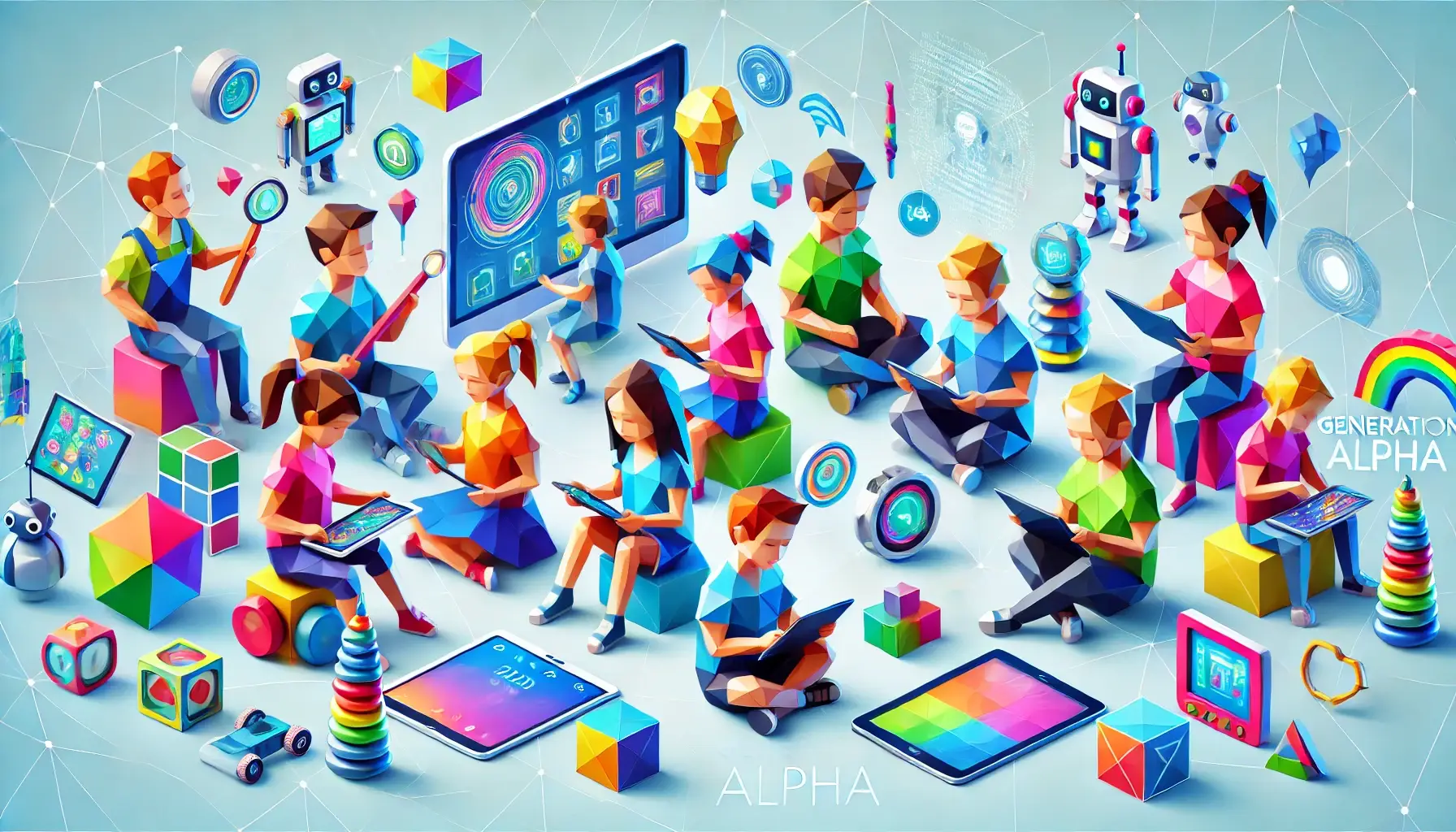
Understanding Gen Alpha: How to Connect with the Digital Natives of Tomorrow. – The Attention Curve
Gen Alpha isn’t just another generation; they’re the architects of tomorrow’s digital society. Defined as children born from 2010 to 2025, this group is estimated to number over 2 billion globally by the end of their birth cycle. Unlike millennials or Gen Z, Alphas have never known a world without smartphones, AI assistants, and instant connectivity—making them innate “phygital” beings who blend physical and digital realities effortlessly.
Detailed statistics paint a vivid picture: Gen Alpha already wields $11.3 billion in spending power, influencing family purchases from gadgets to virtual goods. Around 36 million kids aged 0-11 are regular internet users, with nearly two-thirds of those aged 2-5 engaging with screens daily. This early immersion fosters skills like multitasking and visual learning, but it also raises questions about screen time’s impact. For readers preparing the next workforce, recognizing Gen Alpha’s tech fluency is key—start by encouraging balanced digital habits today through family tech policies or educational apps like Duolingo for VR.
At its core, the metaverse is an expansive, interconnected virtual universe where users create avatars, build environments, and conduct real economic activities using technologies like VR headsets, AR glasses, and blockchain. Think of it as an evolution of social media and gaming, but with persistent worlds where actions have lasting consequences—much like real life, but boundless.
Platforms such as Roblox (with 80 million daily users, many Gen Alpha) and Fortnite exemplify this, serving as social hubs for gaming, learning, and even virtual concerts. The metaverse’s economic potential is staggering: valued at $105.4 billion in 2024, it’s forecasted to explode to $936.57 billion by 2030, growing at a 46.4% CAGR. Gen Alpha anticipates a shift from office-based work to customizable virtual spaces. To get started, explore free tools like Meta’s Horizon Worlds—perfect for testing the waters and understanding its collaborative power.
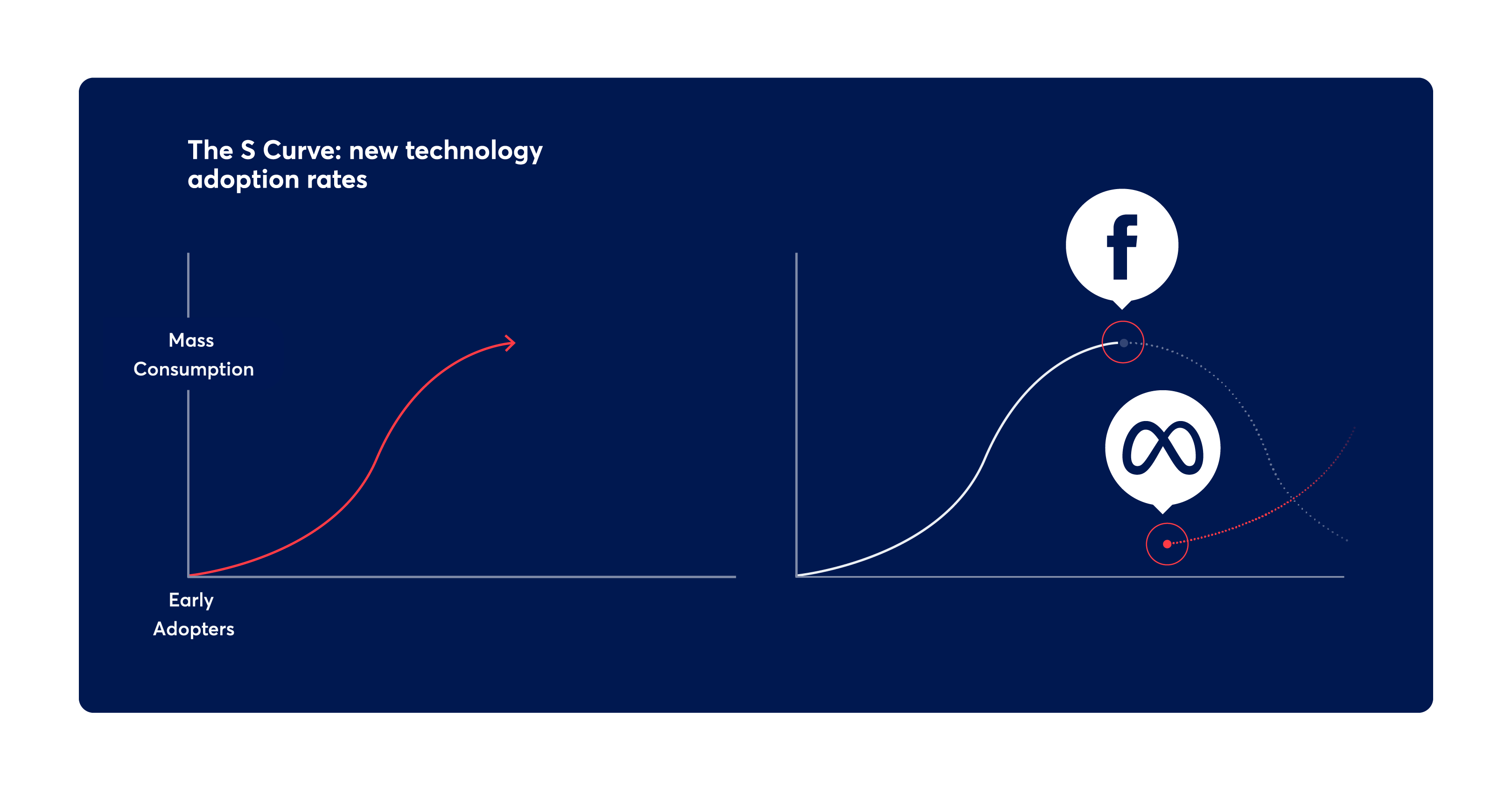
The Metaverse will mean more to Gen Alpha than any other generation—McCrindle.
Gen Alpha hasn’t “entered” the metaverse—they were born into it. According to current statistics, there are over 600 million monthly active users across metaverse platforms, with Gen Alpha, Gen Z, and millennials leading the way. These kids spend 3-4 hours daily in virtual worlds, using them as social hangouts rather than mere games—56% prefer gaming on weekends over in-person meetups.
For instance, in Roblox, young users design games, sell virtual items, and earn Robux (convertible to real money), foreshadowing future gigs. This engagement builds early economic literacy: many Alphas convert fiat currency to in-game assets, mirroring metaverse economies. Parents can leverage these initiatives by monitoring playtime via apps like Qustodio, turning hobbies into skill-building opportunities like coding simple Roblox experiences.
By 2030, Gen Alpha will enter a job market where metaverse roles dominate, from virtual real estate developers to AI ethicists. Gaming and e-commerce will lead with $163 billion and $201 billion in revenue, respectively. Imagine a Gen Alpha worker designing NFT fashion for avatars or facilitating virtual therapy sessions—roles blending creativity and tech.
Here’s a breakdown in a handy table:
| Job Category | Key Skills | Projected Average Earnings (2030) | Examples |
|---|---|---|---|
| Virtual Architect/Designer | 3D Modeling, Unity/Unreal Engine | $80,000 – $120,000 annually | Building custom metaverse spaces for brands like Nike |
| Content Creator/Educator | Video Editing, AR Development | $50,000 – $100,000 (plus royalties) | Hosting virtual classes or creating immersive tutorials |
| Blockchain Specialist | NFT Engineering, Smart Contracts | $100,000 – $150,000 | Managing virtual economies and crypto transactions |
| Social Experience Curator | UX/UI Design, Community Management | $70,000 – $110,000 | Organizing events in platforms like Decentraland |
| AI Integration Expert | Python Programming, Machine Learning | $90,000 – $140,000 | Developing bots for personalized metaverse interactions |
These projections draw from current trends, where metaverse players already spend more time and money than traditional gamers. To prepare, enroll kids in online courses like those on Coursera for beginner VR design—start small to build portfolios early.
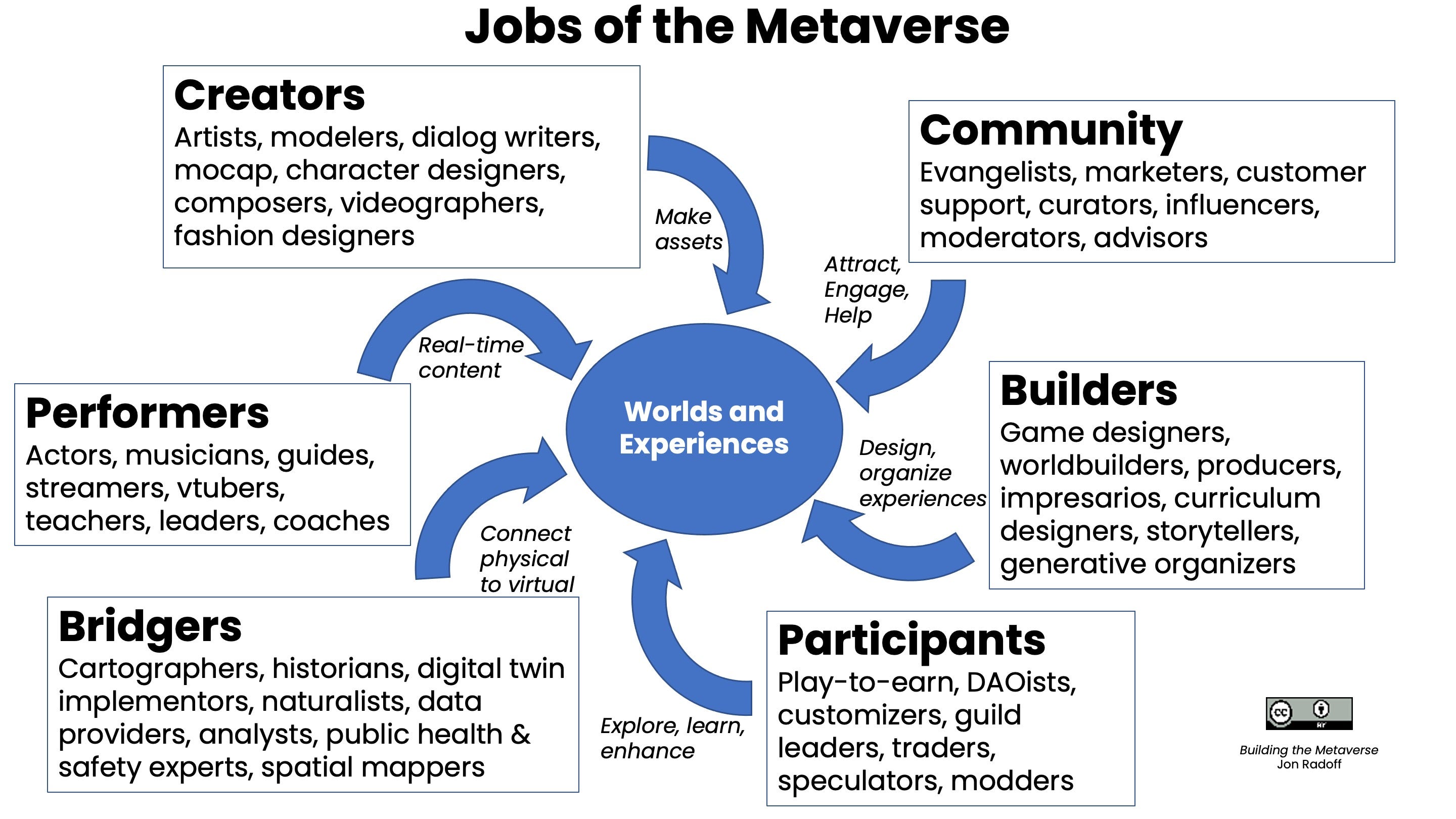
Jobs in the Metaverse. The metaverse is unleashing a wave of… | by Jon Radoff | Building the Metaverse | Medium
Success in metaverse jobs demands a mix of technical and soft skills. Core competencies include programming languages like C++, Java, and Python; blockchain and NFT expertise; and data analysis for optimizing virtual experiences. Frontend roles might require JavaScript and React, while game developers benefit from C#.
Gen Alpha’s edge? Gen Alpha’s advantage lies in their intuitive understanding of digital tools. However, building depth is crucial—recommend platforms like Khan Academy for coding basics. According to experts, visual design and data skills will be in high demand, bridging art and tech. Encourage experimentation: have kids create Minecraft mods to hone problem-solving, then transition to professional tools like Blender.
The metaverse offers unparalleled flexibility, allowing Gen Alpha to work globally without relocation—ideal for balancing life and career. Remote collaboration reduces commuting stress, with studies showing higher satisfaction in virtual setups. Opportunities abound, from monetizing avatars in fashion (as seen with Gen Z’s adoption) to entrepreneurial ventures like virtual shops.
Compared to traditional office work, metaverse roles boast 20–30% higher creative potential and access to diverse networks. To capitalize, join communities like LinkedIn’s Metaverse groups for mentorship—start networking now for future advantages.
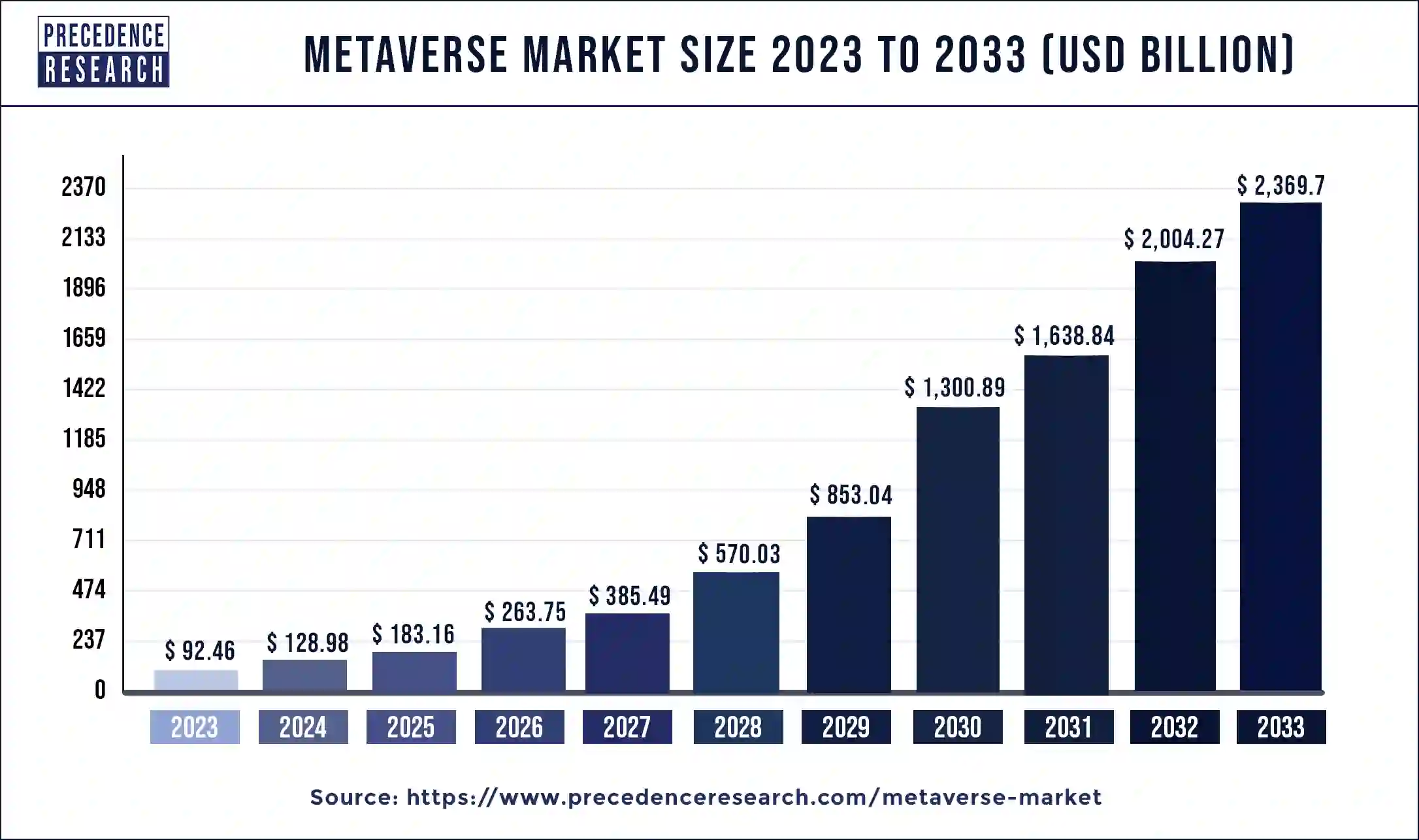
Metaverse Market Size to Hit USD 2,369.70 Billion by 2033
Beware the pitfalls: Privacy breaches, cyberbullying, and addiction loom large in the metaverse. Always verify platforms—avoid those demanding upfront payments or promising unrealistic earnings. Check for official certifications and user reviews on sites like Trustpilot.
According to sources, excessive screen time affects 65% of young users’ well-being; mitigate with tools like Apple’s Screen Time. Digital divides could exclude underserved kids—advocate for accessible VR via initiatives like Google’s Education grants. Stay safe by educating yourself on data privacy from reputable sources like the FTC’s kids’ online safety guide (ftc.gov).
Essential tools include VR headsets like Oculus Quest, software like Unity for building, and blockchain platforms like Ethereum for NFTs. Free resources: Roblox Studio for beginners, Coursera’s Metaverse Specialization.
For deeper dives, books like “The Metaverse: And How It Will Revolutionize Everything” by Matthew Ball provide foundational knowledge. Link to authoritative sites: meta.com/horizon for hands-on exploration.
Take 12-year-old Mia from California: She started designing Roblox outfits at age 10, earning $500 in Robux sales last year—now convertible to real cash. This mirrors broader trends, like Walmart’s metaverse initiative, where Gen Alpha co-created virtual stores, boosting engagement by 40%.
Another case: In a Fortnite creative mode project, a group of Alphas built an educational island teaching sustainability, partnering with NGOs for real-world impact. These stories highlight potential—encourage your kids to document projects in portfolios like Behance for future job hunts.
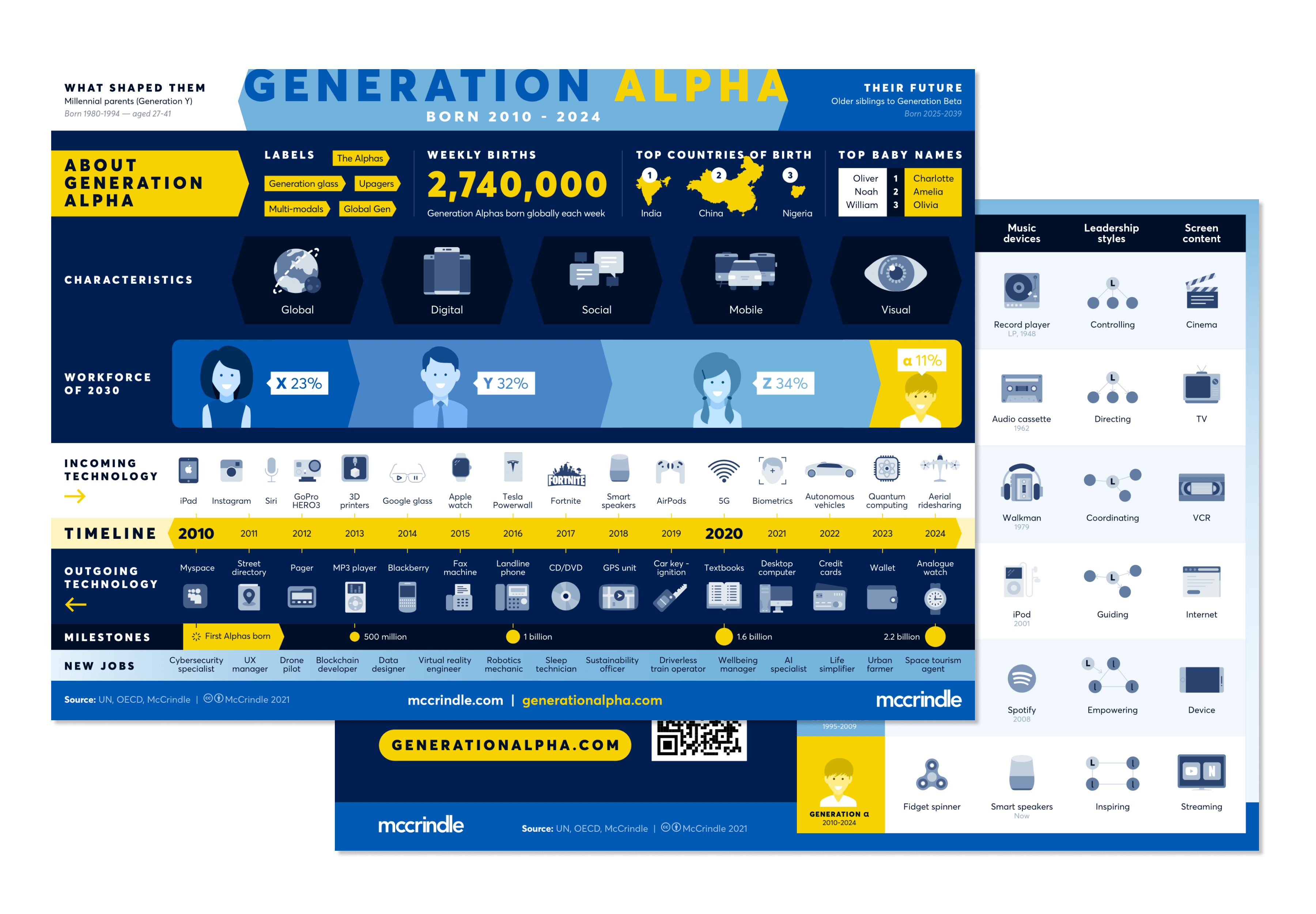
Why every organisation should be thinking about Generation Alpha—McCrindle
At what age can Gen Alpha start metaverse work? Due to COPPA laws, Gen Alpha typically starts working in paid roles at the age of 13, but they can start building skills earlier (roblox.com).
How much can beginners earn? Entry-level gigs pay $10-20/hour via freelancing on Upwork; it scales with experience.
Is the metaverse safe? Yes, parental controls are available; you can use resources from commonsensemedia.org.
What if my child isn’t tech-savvy? Start with simple apps; 15.9% of Gen Alpha are active users, growing rapidly.
The metaverse promises Gen Alpha stable, flexible, and innovative careers, but success demands skills, vigilance, and balance. By fostering digital literacy now, you’ll unlock boundless opportunities in a $900 billion+ economy by 2030. Dive in today—explore a platform, learn a skill, and prepare for the revolution!
Dr. Elena Vasquez is a leading futurist and metaverse specialist with over 15 years in virtual reality and digital economies. As a consultant for Fortune 500 companies, she’s helped thousands optimize metaverse strategies and trained 5,000+ professionals via her courses on Udemy. Her publications appear in Forbes and Wired; connect on LinkedIn (linkedin.com/in/elenavasquez) or view her TEDx talk on YouTube (youtube.com/tedx/vasquez). With a PhD in Computer Science from MIT, Elena’s expertise ensures this guide is authoritative and forward-thinking.
20 Key Keywords: Gen Alpha growth, metaverse jobs, digital natives, virtual economy, VR skills, future careers, blockchain expertise, avatar design, immersive learning, metaverse risks, Gen Alpha engagement, projected earnings, metaverse platforms, AI integration, virtual collaboration, Gen Alpha statistics, metaverse education, digital spending power, future work scenarios, metaverse challenges