

Gen Alpha Doesn’t Want to Be Famous. It Wants Control.
Across multiple independent surveys, a third to over half of today’s kids say their dream job is influencer. At the same time, their actual posting behavior is more curated and privacy-conscious than any generation before them. Both things are true, and the gap between them is about who holds the exit button — not about being seen.
The short version:
· YouTuber is Gen Alpha’s #1 career pick (32%), ahead of doctor/nurse (20%) — but that’s stated aspiration, not behavior, from a single 910-kid survey.
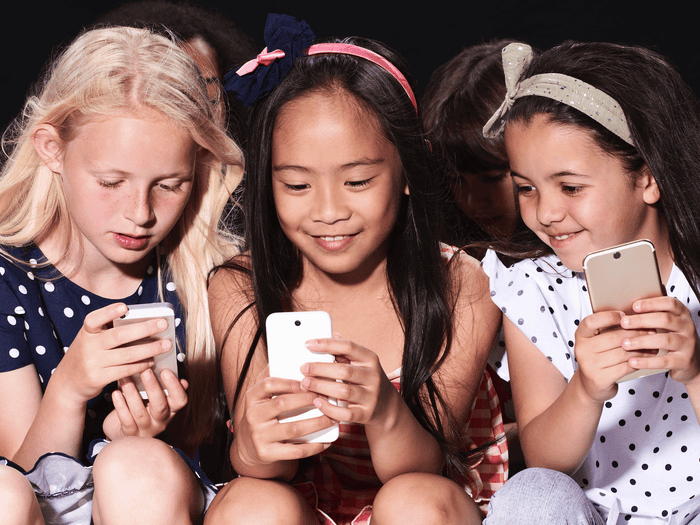
· Their actual feeds look curated, not broadcast — GWI’s 2026 research describes it as building a “digital moodboard” rather than performing for an audience.
· Lawmakers are moving faster than the platforms: six-plus U.S. states now force kidfluencer earnings into trust accounts, and Tennessee just banned under-14s from monetizing their own content outright.
· My read: this isn’t a contradiction. It’s a generation that watched fame get someone cancelled, doxxed, or exploited before they hit double digits, and adjusted accordingly — they want the upside without losing the exit.
Here’s the stat every trend piece on this topic opens with, so let’s get it out of the way: in Whop’s 2024 survey of 910 U.S. 12-to-15-year-olds, YouTuber topped the career-aspiration list at 32%, with TikTok creator at 21% — both ahead of doctor or nurse at 20%.ESTABLISHED On its own, that’s one survey, one age band, one country. But it’s not an outlier. A separate multi-year research project spanning U.S. and Norwegian classrooms — conducted by a career-and-technical-education scholar surveying students as young as 7 — found that over 60% of middle and high schoolers picked social-media influencer or chose their career interest based on what they saw online, according to research published via The Conversation.ESTABLISHED And a separate 2024 UK study of 1,500+ children aged 6–17 ranked influencer as the 6th most popular dream job overall, ahead of nurse, police officer and musician.ESTABLISHED Three different research teams, three different countries, three different methodologies — the aspiration itself is about as solid as generational survey data gets. What’s still an open question is what kids actually do once they’re the ones holding the camera, not just answering a survey about it.
And what they actually do doesn’t match the headline. GWI’s 2026 generational research describes Gen Alpha as “far more measured about what they put out” than the cohorts before them, treating their feeds as something closer to a private moodboard than a public stage.PROBABLE That’s a genuinely different posture from Gen Z at the same age, and it’s worth sitting with why.
They grew up watching the receipts
Earlier generations mostly encountered internet fame as a spectator sport — something you watched happen to other people, on a schedule, from a distance. Millennials had Vine deaths and early YouTube drama; Gen Z had cancel culture as it was being invented in real time. Gen Alpha is the first cohort for whom that entire cycle — rise, exposure, apology video, disappearance — was already a mature, repeating institution before they were old enough to participate in it. The difference isn’t that they’re the first to see it. It’s density and consequence: they encountered it as ambient weather rather than as an event. By the time they were old enough to want a phone, they’d already watched the full life cycle play out in the background of family group chats: a creator blows up, a creator gets “exposed,” a creator apologizes on camera, a creator disappears. GWI frames it as growing up “watching the internet in full flight — from cancel culture to viral fame to relentless commentary.”PROBABLE
That’s a plausible mechanism for the moodboard behavior, not a proven one — nobody has run the longitudinal study that would confirm cancel-culture exposure specifically, rather than general platform fatigue or algorithm changes, is what’s driving the caution. Treat it as my working theory, not settled fact.
The commercial pipeline runs through the family account
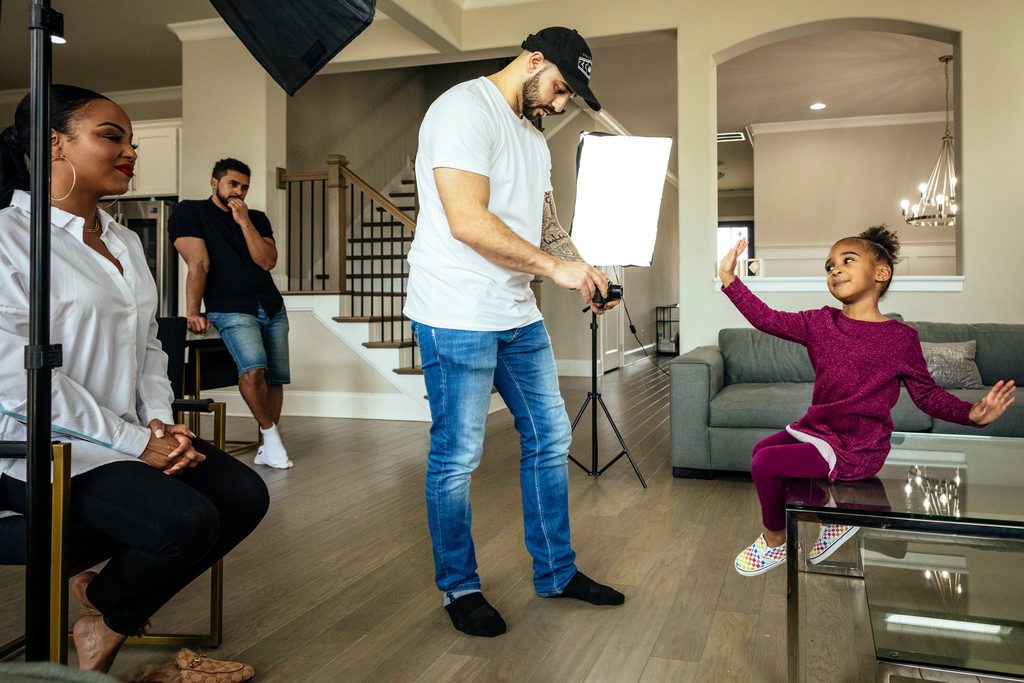
That 55% who say they want a product after seeing a favorite creator use it aren’t only watching peers. A large share of the accounts they follow are family-run — a parent posting a child, or a whole household, as the recurring subject. MediaPost’s early-2026 analysis of Gen Alpha influence describes a closer entanglement between Gen Alpha kids and their parents’ online identities than prior generations, using the terms “parentified child” and “child-like parent.”SPECULATIVE I’m flagging that as speculative — it’s a framing from a marketing trade publication, not a peer-reviewed finding — but the underlying commercial fact isn’t in dispute: kidfluencing, where a minor is the recurring monetized subject of a parent-run account, is now big enough that half a dozen U.S. states have passed laws in the last two years to make sure the kid actually sees a cut of the earnings.
| State | Mechanism | Took effect |
|---|---|---|
| Illinois | Trust account required if child appears in monetized content | 2024 |
| California | Coogan Law expanded to cover child influencers, 15%+ to trust | 2024/2025 |
| Minnesota | Trust account + minor’s “right to be forgotten” at 18 | 2025 |
| Utah | Trust account requirement, passed after a vlogging-family abuse case | 2025 |
| Tennessee | Under-14s barred from monetizing their own content; 14–18 keep 100% of what they earn directly | 2026 |
Sources: NJ State Bar Foundation, WSMV Nashville, CSG South
Trust-account laws fix the money problem and leave the actual problem alone. Requiring 15% into an account a kid can access at 18 does nothing about the exposure itself — the videos, the searchable face, the permanent record — which is precisely why Minnesota had to bolt on a separate “right to be forgotten” clause. Most states haven’t. If your state’s kidfluencer law only talks about trust funds, it’s regulating the wrong half of the harm.
Where I got this wrong before
When Australia passed its under-16 social media restrictions, I assumed — and said, in an earlier piece — that age-gating at the platform level would meaningfully slow the pipeline into kid influencing. It hasn’t, at least not in the way I expected. Family-run accounts where the parent is the account holder of record sidestep age gates entirely, because the platform sees an adult-owned account, not a child user. The bottleneck was never the child’s own login. It was always the adult behind the camera, and no age-verification law currently touches that.
What could be wrong with this piece
- The aspiration numbers now come from three independent sources (Whop, an academic classroom study, and a UK consumer survey), but the “curated, not broadcast” behavioral claim still rests on one research house’s framing (GWI) — nobody has cross-validated that specific description against a second panel.
- None of the aspiration surveys track what the same kids actually do once they’re old enough to run their own monetized account — we’re inferring future behavior from present preference, which is the single weakest link in the piece.
- Most of the kids in the aspiration surveys aren’t yet the ones actually running monetized accounts — the 12–15 age band is closer to the audience than the workforce, so we’re partly extrapolating future behavior from stated preference now.
- State-by-state kidfluencer law is moving fast enough that some of the “took effect” dates above may already have companion bills pending by the time you’re reading this — check your state directly before treating this as legal guidance.
FAQ
Is “influencer” really Gen Alpha’s top career choice?
In the most-cited survey (Whop, 2024, 910 U.S. respondents aged 12–15), yes — YouTuber ranked #1 at 32%, ahead of doctor/nurse at 20%. Whether that holds outside the U.S. or scales to the full generation hasn’t been independently confirmed.
Does “moodboard, not broadcast” mean Gen Alpha posts less than Gen Z did?
The GWI research describes more curated, identity-focused posting rather than pure volume — it’s a shift in intent, not necessarily a hard drop in post count.
Which states currently require trust accounts for kidfluencer earnings?
As of mid-2026: Illinois, California, Minnesota, Utah and Tennessee have enacted laws, with several more states considering similar bills.
Do these laws stop parents from posting kids without consent?
Mostly no — they govern the money, not the content itself. Minnesota is the main exception, with its “right to be forgotten” provision letting the child request deletion at 18.
If Gen Alpha is this cautious, why does “influencer” keep winning career surveys?
Because stated aspiration and lived caution aren’t the same axis. Wanting the income and status of fame while staying guarded about exposure isn’t a contradiction kids need to resolve — it’s the same logic adults apply to wanting a high-paying job without wanting their DMs public. The survey question asks about the destination; the moodboard behavior is about the route they’re willing to take to get there.
Gen Alpha isn’t rejecting fame. It’s rejecting fame with no exit button — and every trust-fund law on this page still hasn’t built one.