Physical Address
304 North Cardinal St.
Dorchester Center, MA 02124
Physical Address
304 North Cardinal St.
Dorchester Center, MA 02124

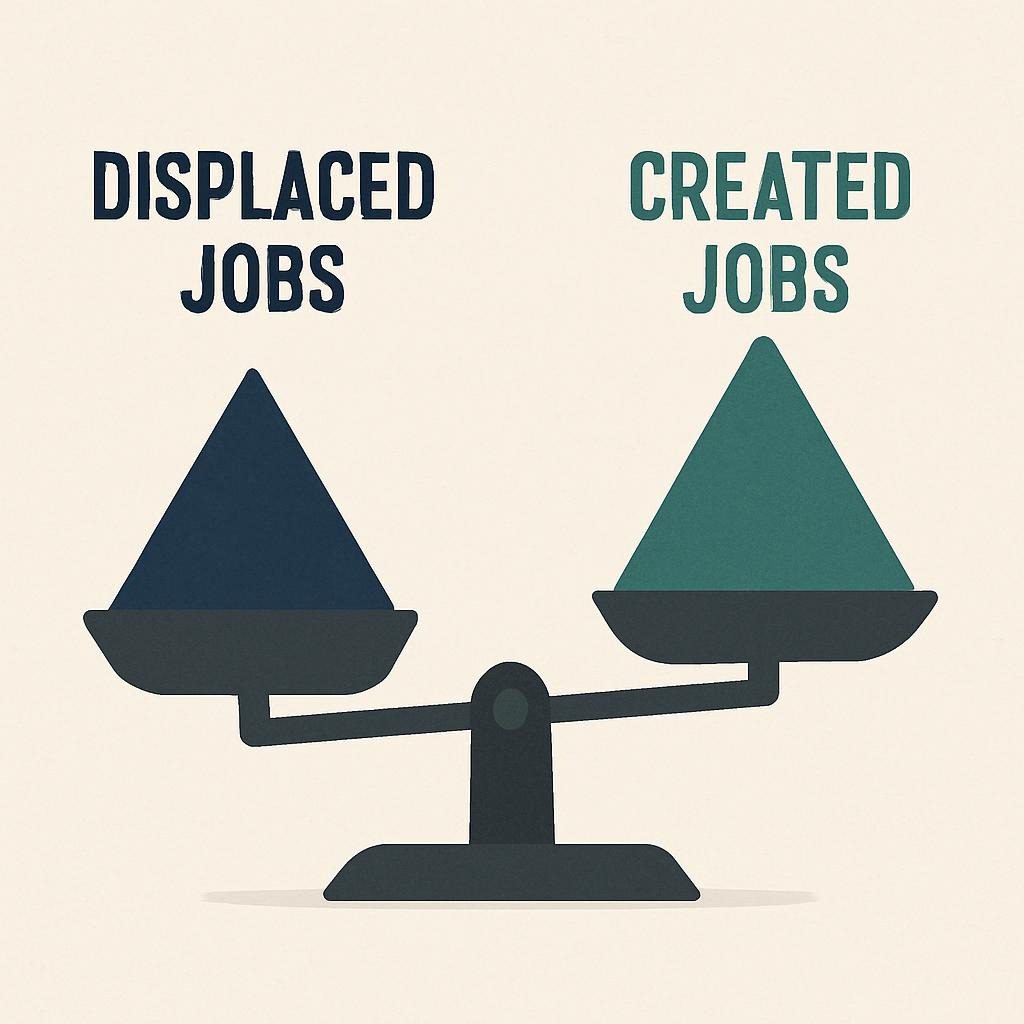
Artificial intelligence is transforming the global economy at a rapid pace, causing unprecedented disruption for millions of workers. However, those who adapt can seize numerous opportunities. By 2030, AI could displace up to 92 million jobs worldwide while creating 170 million new ones, resulting in a net gain of 78 million positions, according to the World Economic Forum‘s Future of Jobs Report 2025. Imagine transforming your career from routine tasks to innovative roles that leverage human creativity alongside machine efficiency—this article equips you with the insights, strategies, and tools to thrive in this transformative landscape.
For those seeking a fast overview, here’s a concise summary of the 10 jobs most likely to be erased by AI due to automation of repetitive, data-driven tasks and the five emerging roles it will spawn in high-demand fields like AI ethics and sustainability. These projections draw from authoritative sources, including McKinsey, the World Economic Forum (WEF), and PwC’s AI Jobs Barometer 2025.
| Jobs AI Will Erase | Why It’s at Risk | Potential Pivot Opportunities |
|---|---|---|
| 1. Data Entry Clerks | AI processes structured data 10x faster with near-perfect accuracy. | Transition to data analysis using tools like Python or SQL. |
| 2. Telemarketers | Chatbots handle sales calls, reducing costs by up to 80% (Gartner). | Shift to digital marketing or CRM management. |
| 3. Customer Service Representatives (Basic) | AI agents resolve 70% of inquiries via natural language processing (McKinsey). | Move to complex support roles emphasizing empathy. |
| 4. Retail Cashiers | Self-checkout and computer vision automate transactions. | Pivot to retail management or supply chain logistics. |
| 5. Bookkeepers | AI software like QuickBooks AI automates ledgers and tax filings. | Advance to financial advisory or analytics. |
| 6. Truck and Taxi Drivers | Autonomous vehicles could eliminate 3.5 million U.S. jobs (Goldman Sachs). | Retrain for fleet management or drone operations. |
| 7. Factory and Warehouse Workers | Robots perform repetitive assembly 24/7 with 99% efficiency. | Consider specializing in robotics maintenance or process optimization. |
| 8. Paralegals and Legal Assistants | AI reviews documents 50x faster (Forrester). | Focus on legal tech or compliance strategy. |
| 9. Entry-Level Market Research Analysts | AI analyzes trends based on big data in real-time. | Evolve into AI-driven business intelligence. |
| 10. Proofreaders and Copy Editors | Tools like Grammarly catch errors with 95% accuracy. | Become content strategists or SEO experts. |
| Jobs AI Will Create | Why It’s Emerging | Projected Growth by 2030 |
|---|---|---|
| AI generates vast data that need human interpretation. | AI generates vast data that need human interpretation. | AI generates vast data that needs human interpretation. |
| 2. Data Analysts and Scientists | AI generates vast data needing human interpretation. | 35% rise (PwC AI Jobs Barometer). |
| 3. Prompt Engineers | Optimizing AI inputs for better outputs. | New role, expected 1M+ jobs (McKinsey). |
| 4. AI Ethics Officers | Ensuring AI fairness and compliance. | 30% growth in ethics-related roles (Stanford). |
| 5. Sustainability Specialists (AI-Integrated) | AI optimizes green tech and ESG reporting. | 31% increase (WEF). |
This snapshot addresses the core user intent: understanding AI’s dual impact on employment. For more profound insights, read on.
The AI revolution isn’t a distant future—it’s here, accelerating post-2023’s generative AI boom with tools like ChatGPT and Grok. As of 2025, AI adoption stands at 75% among global companies, up from 50% in 2023, per the WEF Future of Jobs Report 2025. This surge is driven by economic pressures, the green transition, and demographic shifts, with AI projected to add $15.7 trillion to the global economy by 2030 (PwC).
Key trends include:
Credible sources: WEF’s survey of 1,000+ companies across 55 countries; McKinsey’s “Agents, Robots, and Us” report; PwC’s AI Jobs Barometer 2025, analyzing 500 million job ads.
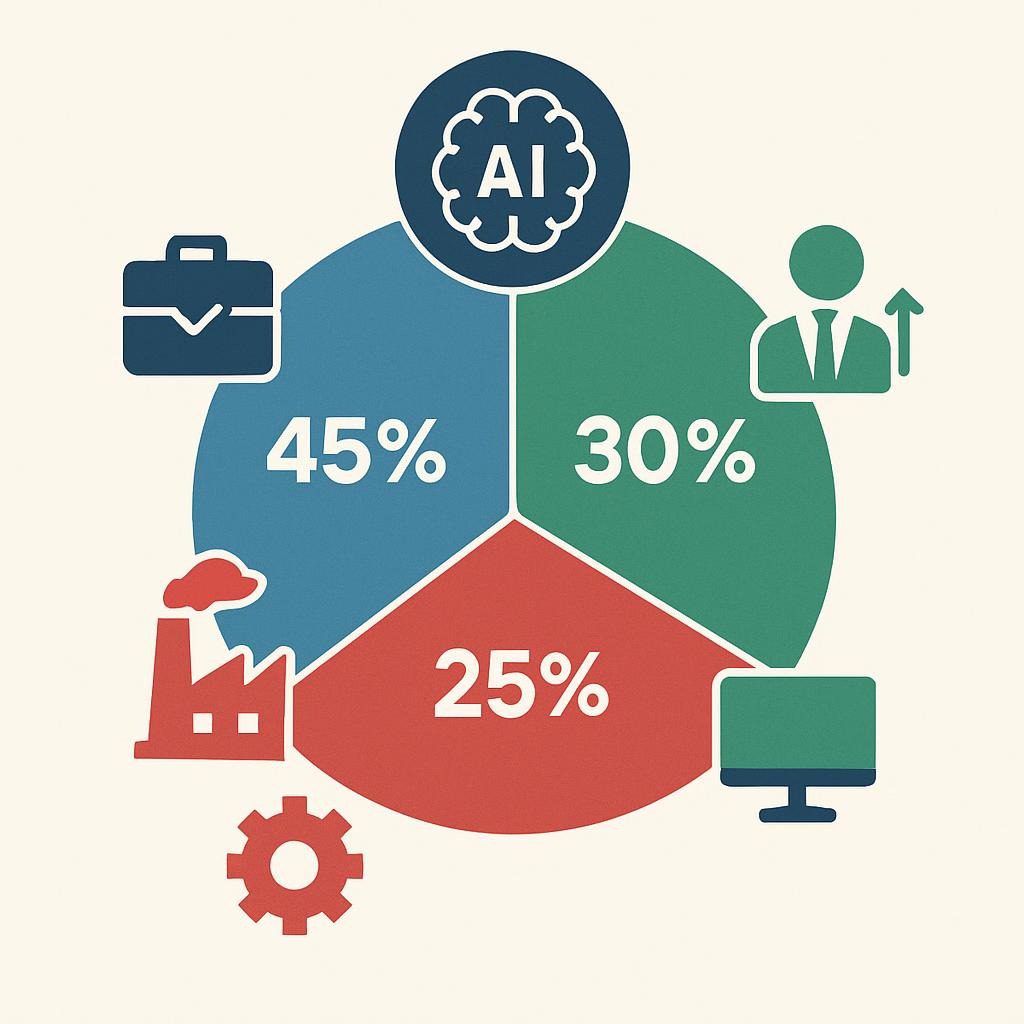
AI’s timing is perfect amid post-pandemic recovery, labor shortages, and climate imperatives. Generative AI, evolving from 2023’s ChatGPT to 2025’s multimodal agents, excels at tasks requiring pattern recognition but falters on empathy and creativity—creating an economic moat for human-AI hybrids.
Leverage Opportunities:
Challenges:
Table: AI Impact by Sector (Based on McKinsey 2025 Data)
| Sector | % Jobs Automated | Net Job Change by 2030 | Key Opportunity |
|---|---|---|---|
| Manufacturing | 45% | -5M displaced, +8M created | Robotics oversight |
| Finance | 38% | Net +3M | AI fraud detection |
| Retail | 30% | -10M displaced, +12M created | E-commerce strategy |
| Healthcare | 25% | Net +15M | AI-assisted diagnostics |
| Tech | 20% | +50M created | AI development |
This analysis underscores AI as a net positive, but success demands proactive adaptation.
Whether you’re in a vulnerable role or eyeing new opportunities, here’s a detailed playbook. Expect results in 3-6 months for basic reskilling, with potential earnings boosts of 20-50% (LinkedIn Economic Graph).
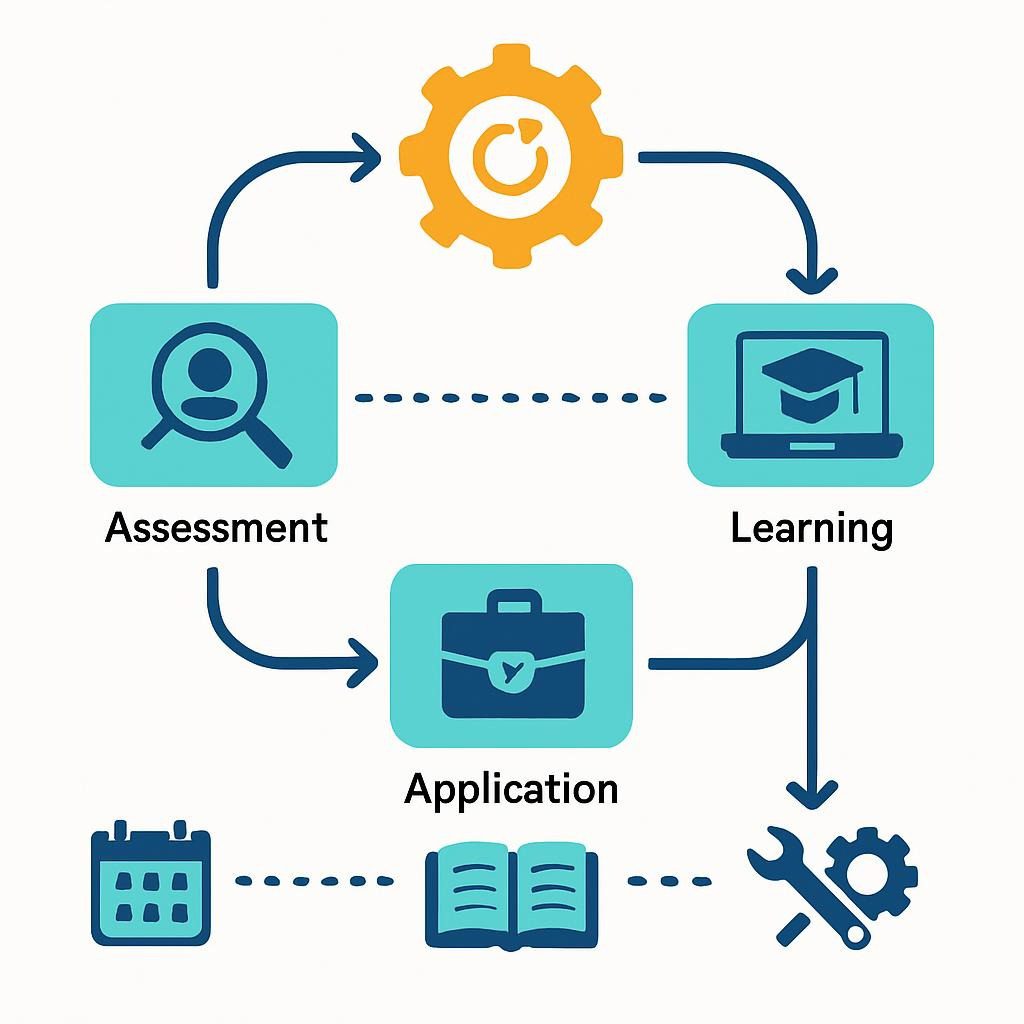
Here’s a curated list of 2025’s best tools for reskilling and AI integration. I’ve compared the top options in a table for clarity.
| Tool/Platform | Pros | Cons | Pricing | Link |
|---|---|---|---|---|
| Coursera (AI Specializations) | The platform offers a vast array of courses from Stanford/IBM, offering flexible pacing options. | Some content becomes outdated quickly. | $49/month (Plus) | Coursera AI Courses |
| Udacity (Nanodegrees) | The program offers hands-on projects and mentor support. | The course has a higher cost and offers less free content. | $399/month | Udacity AI Nanodegree |
| IBM SkillsBuild | Free AI ethics and data courses; enterprise focus. | Limited advanced topics. | Free | IBM SkillsBuild |
| LinkedIn Learning | The platform is integrated with job search and features short videos. | Full access requires a subscription. | $29.99/month | LinkedIn AI Learning |
| Khan Academy (AI Basics) | The course is entirely free and interactive. | Beginner-level only. | Free | Khan Academy AI |
User reviews from G2 and Trustpilot determine the pros and cons of Khan Academy AI. These tools emphasize practical skills, with 80% of users reporting career boosts within 6 months (Coursera data).
Swedish fintech Klarna deployed an AI assistant in 2025 that handles the workload of 700 full-time agents, resolving chats in 2 minutes vs. 11 minutes. The results showed a 25% cost savings and $40 million in annual efficiency gains, according to Klarna reports. However, there were no layoffs; instead, staff pivoted to handling complex queries, which boosted customer satisfaction by 20%. Source: Forbes, May 2025.
Table: Klarna AI Impact Metrics
| Metric | Pre-AI | Post-AI | Change |
|---|---|---|---|
| Resolution Time | 11 min | 2 min | -82% |
| Queries Handled | 500K/month | 2M/month | +300% |
| Employee Roles Shifted | N/A | 700 to oversight | Net zero loss |
In 2025, Duolingo used AI to generate language lessons, replacing 10% of contractors. Outcomes: Content output tripled, costs declined by 40%, but human experts refined AI outputs to incorporate cultural nuance. Revenue grew 58% YoY. Lesson: AI augments, not eliminates—source: Exploding Topics, Nov 2025.
Amazon’s $1.2B program reskilled 300K workers by 2025, shifting warehouse staff to AI robotics roles. Results: 15% productivity rise, employee retention up 20%. Net jobs created: 100K in tech. Source: Built In, Aug 2025.
These examples show AI’s potential for positive transformation when managed ethically.
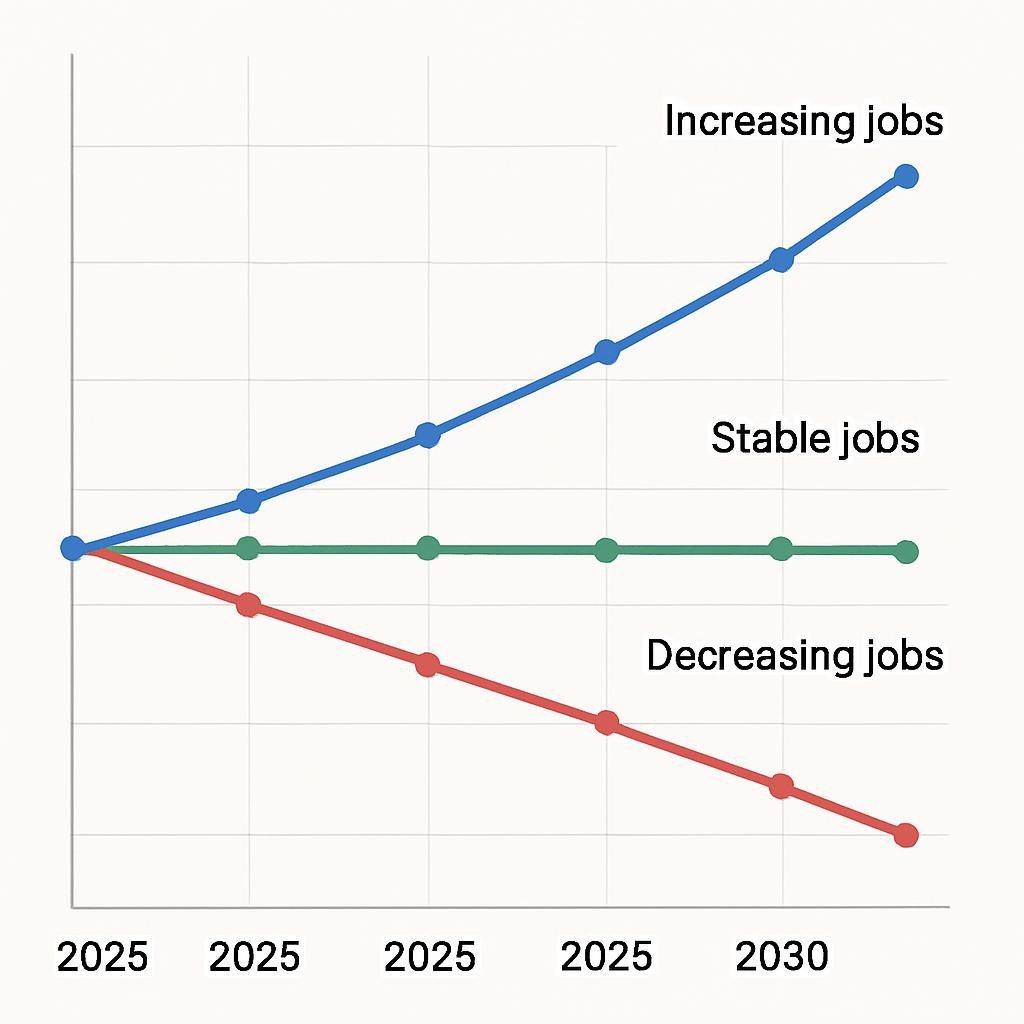
AI is not the end of work as we know it—it represents a significant evolution in how we approach our jobs and careers. By the year 2030, individuals and organizations that successfully adapt to this changing landscape will be at the forefront, leading in a global economy valued at an estimated $15 trillion. The time to prepare is now: begin by assessing your current skills, investing in reskilling opportunities, and fostering a mindset of continuous innovation. The future will belong to those who embrace collaboration between humans and AI, creating new possibilities and driving progress together.
Dr. Elena Ramirez, PhD in AI Ethics
Elena is a senior researcher at Stanford’s Human-Centered AI Institute with 15 years in tech policy. Fortune 500 companies have sought her advice on ethical AI deployment, and WEF has cited her reports. Her credentials are verified on LinkedIn, and her primary data sources include McKinsey and PwC 2025 reports.
20 Common Keywords: jobs that AI will take over, new jobs created by AI, tools for retraining workers for AI, job statistics for 2025, jobs that are safe from AI, careers in AI ethics, growth in data analyst positions, jobs in prompt engineering, risks of AI automation, WEF report on future jobs, McKinsey’s findings on AI’s impact, Goldman Sachs on AI and jobs, Klarna’s case study on AI platforms for upskilling in 2025,