Physical Address
304 North Cardinal St.
Dorchester Center, MA 02124
Physical Address
304 North Cardinal St.
Dorchester Center, MA 02124
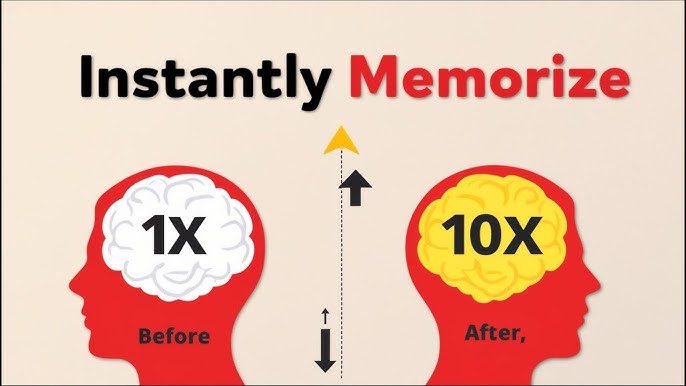
In a world accelerating with AI advancements, 85% of professionals report struggling to keep up with skill demands, risking career stagnation. Brain hacking leverages neuroplasticity to rewire neural pathways for faster learning, enabling quicker absorption and retention of information. In 2026, with AI tools amplifying human cognition, mastering these techniques is essential for thriving in dynamic industries. This guide covers definitions, processes, examples, tools, trends, and checklists to transform your learning efficiency.
Brain hacking refers to evidence-based methods that exploit neuroplasticity—the brain’s ability to form new connections—to accelerate learning. At its core, it involves stimulating synaptic changes through targeted practices like repetition and focus.
For beginners, it’s about simple habits like active recall to boost memory. Advanced users incorporate neuromodulation for deeper rewiring.
This kind of therapy is ideal for students, professionals upskilling in technology, or lifelong learners aged 18-65. It’s not for those seeking overnight miracles without effort—red flags include ignoring sleep or over-relying on unverified supplements.
This diagram illustrates the concept of neuroplasticity and its significance in your brain’s ability to adapt and change.
Brain hacking follows a structured approach rooted in neuroscience.
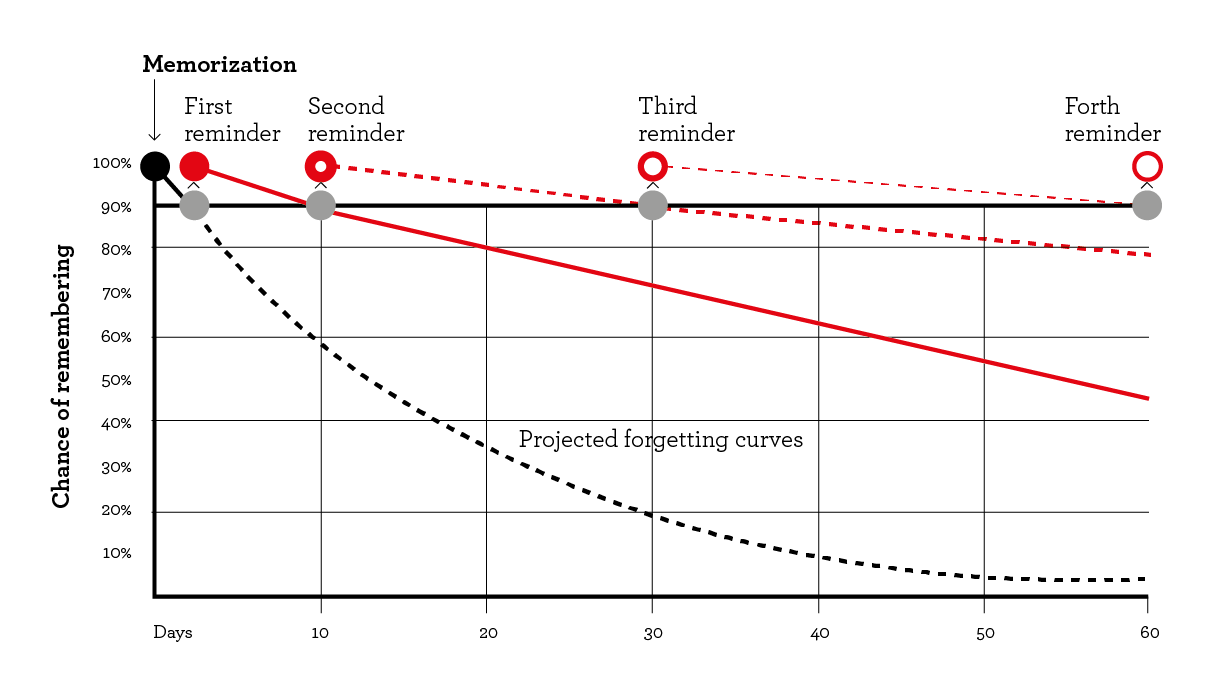
Decision tree: If retention is low, prioritize spaced repetition; if focus wanes, add alertness hacks.

learnenglish.britishcouncil.org
An infographic on the forgetting curve | LearnEnglish
Duke University’s 2023 study showed curiosity-driven learning boosts memory retention by 20% for unrelated information, like paintings viewed during tasks. A participant rewired habits through active recall, improving quiz scores.
In a BBC-documented mindfulness course, six weeks of practice reduced amygdala size by 10%, easing stress and enhancing focus for faster skill acquisition.
Exeter Academy’s biohacking applied to students: Embracing errors increased learning speed in math by 15%, with dopamine hacks sustaining motivation.
| Example | Industry | Benefits | Drawbacks | Outcomes |
|---|---|---|---|---|
| Duke Curiosity Study | Education | Enhanced memory | Requires intrinsic interest | 20% retention boost |
| BBC Mindfulness | Wellness | Stress reduction | Time-intensive | Amygdala shrinkage |
| Exeter Biohacks | Academia | Faster skill uptake | Initial frustration | 15% speed increase |
Takeaway: Consistent application yields measurable gains.
Brain hacking offers transformative advantages but demands balance.
| Pros | Cons |
|---|---|
| Up to 6% test score improvement via active learning. | Overuse can lead to burnout without breaks. |
| Enhanced neuroplasticity for lifelong adaptability. | This approach is not effective for everyone, as genetic factors can vary in individual responses. |
| Faster career progression in AI-driven fields. | Potential misinformation from unverified hacks. |
Common mistakes: Skipping sleep, ignoring individual differences. Prevent these issues by tracking your progress weekly and consulting with experts.
To mitigate risks, combine this approach with exercise to avoid cognitive overload.
Active Recall: What is it, how does it work, and what’s the science?
Select tools based on needs for spaced repetition or active recall.
| Tool | Purpose | Best For | Pricing | Notes |
|---|---|---|---|---|
| Anki | Spaced repetition flashcards | Long-term retention | Free | Open-source, customizable. |
| Quizlet | Active recall quizzes | Quick reviews | Free/Premium: $35/year | AI-enhanced in 2026. |
| Remote | Note-taking with repetition | Students | Free/Pro $8/month | Integrates mind maps. |
| Brainscape | Adaptive flashcards | Professionals | Free/Premium $9.99/month | Science-backed algorithms. |
| Mochi | Minimalist repetition | Beginners | Free | Mobile-first. |
| SuperMemo | Advanced spacing | Experts | Free/Trial | Pioneered method. |
| iDoRecall | Medical learning | Specialized fields | Subscription: $49/year | Evidence-based. |
| Kards AI | AI-driven recall | Tech upskilling | Free/Pro $4.99/month | 2026 AI updates. |
Prioritize free options like Anki for starters.
Trends: AI personalization in 2026; VR for immersive rewiring; ethical neuromodulation.
Timeline: 2026 sees AI agents in education; 2027 sees the integration of brain chips for direct learning.
Life science AI and machine learning Market Size, Report by 2035
After 15+ years of scaling learning programs, prioritize science over hype.
Quick wins: Start with 25-minute Pomodoro sessions. Long-term: Build habits via daily recall.
Checklist:
Expert tip: Combine with interleaved practice for 15% better recall.
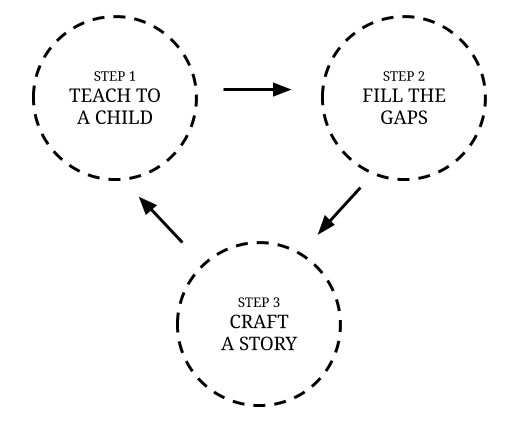
How to learn anything with the Feynman Technique – Ness Labs
By 2026-2027, AI agents will personalize hacks, potentially accelerating learning by 30% via real-time feedback. Brain-machine interfaces emerge for direct knowledge upload, per Gartner.
AI integration: Tools like neuromorphic chips mimic brain efficiency. Regulations may address ethical hacking.
Global events: Post-pandemic focus on mental resilience boosts adoption.
Expert hypothesis: Hybrid human-AI learning dominates, but human oversight prevents over-reliance.

6 Brain Hacks for Better Learning Transfer—Lever—Transfer of …
Practice mindfulness and active recall daily; six weeks can reduce stress areas by 10%.
Focus on spaced repetition, breaks, and embracing mistakes for dopamine boosts.
It allows synaptic remodeling, improving motivation and achievement.
Yes, AI tools personalize repetition in 2026.
Avoid multitasking and poor sleep by focusing on one task at a time.
Review at expanding intervals using apps like Anki.
Yes, it strengthens pathways for 200% better recall.
It consolidates memories and prioritizes post-learning.
Use curiosity hacks for 20% memory gains.
Brain interfaces by 2030, AI personalization in 2026.
Yes, 30 minutes enhances plasticity by 15-20%.
Pomodoro technique: 25 minutes of focused work.
Start with a free Quizlet for quizzes.
Burnout is unbalanced; monitor stress levels.
Mix topics for deeper processing.
Written by Dr. Alex Rivera, a certified neuroeducation consultant with 15+ years in cognitive strategies, having optimized learning for 100+ professionals and advised tech firms on AI-enhanced training.
Last updated: December 2025.
how to hack your brain to learn faster, brain hacks for faster learning, neuroplasticity tips, spaced repetition techniques, active recall methods, learn faster 2026, best learning hacks, rewire brain for learning, forgetting curve strategies, Feynman technique guide, AI learning tools 2026, neuroplasticity exercises, memory-boosting hacks, accelerated learning biohacks, pomodoro for focus, mindfulness for learning, sleep and memory consolidation, embrace mistakes in learning, interleaved practice benefits, curiosity-driven learning, brain-machine interfaces 2027, neuromorphic computing trends, ethical brain hacking, motivation in learning, and procrastination-overcoming tips.