

Evidence-Based Longevity · Updated April 2026
Biohacking for Longevity in 2026: What the Science Actually Says
The honest guide — real breakthroughs, real failures, and why your brain age matters more than your supplement stack.
Here’s the thing nobody in the biohacking space wants to say out loud: the world’s most famous biohacker spent five years and millions of dollars on a drug that turned out to be aging him faster. Bryan Johnson dropped rapamycin in late 2024 after skin infections, elevated glucose, and a pre-print showing it accelerated aging across 16 epigenetic clocks. This is where we start — not with hype, but with what actually happened.
Biohacking in 2026 is more mature, more evidence-driven, and honestly more interesting than the supplement-stacking frenzy of a few years ago. The science has caught up in some fascinating ways. And it has humbled the field in others.
I’ve spent the last decade tracking this space — reading the trials, watching protocols rise and fall, and talking to people who’ve actually changed their biological age markers. What follows is the most honest, data-grounded guide I can write. No filler. No “start with cold showers and thank me later.”
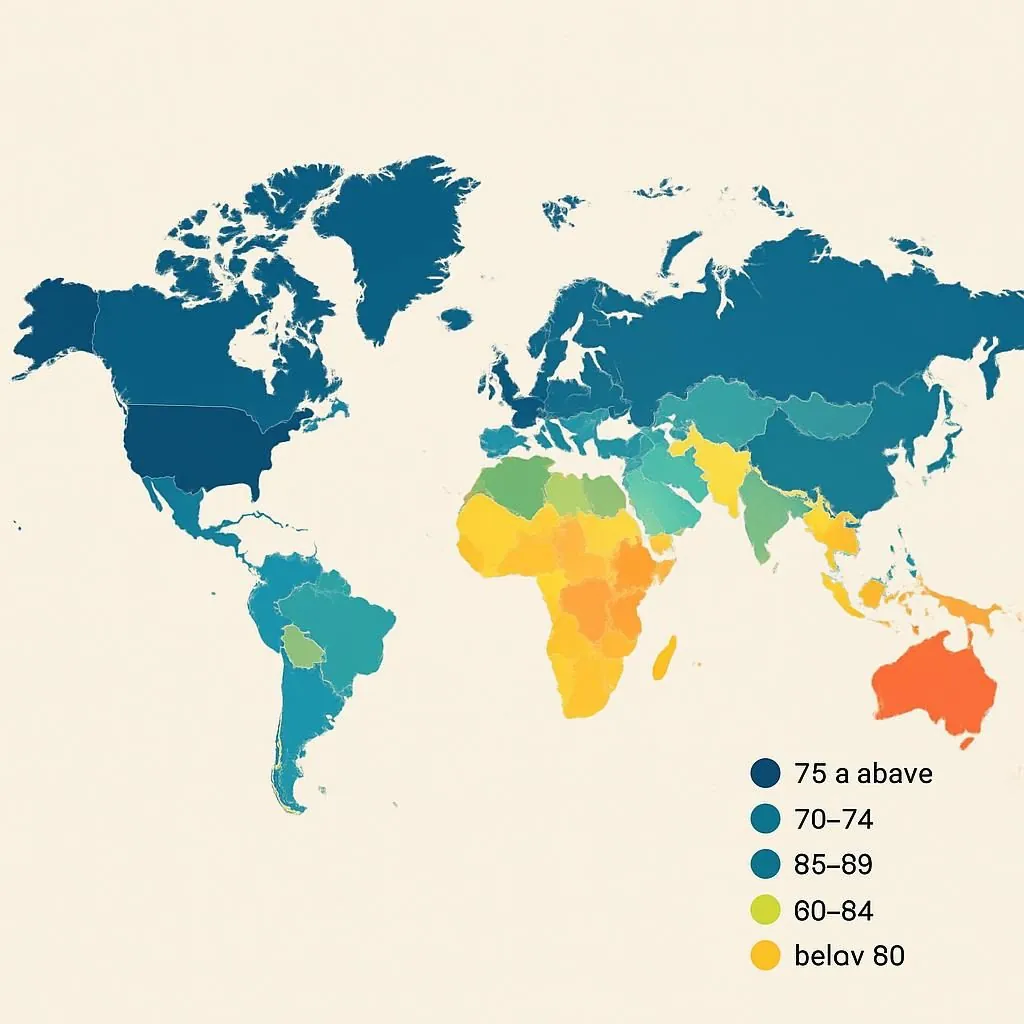
(Cure.com, Dec 2025)
Nature Medicine brain-age study
with biologically young brain
UK Biobank organ-age study
The Biggest Shift in Longevity Science: It’s Your Brain, Not Your Telomeres
For years, biohackers obsessed over telomere length as the proxy for biological age. Reasonable assumption — telomeres shorten as cells divide, so longer telomeres meant you were aging slower, right? Then in July 2025, a landmark study in Nature Medicine quietly reshuffled the entire priority stack.
🔬 Breakthrough Study · Nature Medicine, July 2025
UK Biobank Organ-Age Analysis (44,498 participants, 17 years follow-up): Researchers measured the biological age of 11 separate organs using plasma proteomics — 2,916 proteins per participant. The result? Brain age emerged as the single strongest predictor of mortality and healthspan.
Having a biologically old brain carried a hazard ratio of 3.1 for Alzheimer’s disease — comparable to carrying one copy of APOE4, the strongest genetic risk factor. A biologically youthful brain provided protection equivalent to carrying two copies of APOE2, the rarest protective variant. Independent of actual genetics.
Let that sink in. Your lifestyle choices can move your brain’s biological age enough to match or cancel out a genetic lottery result. This is not marginal stuff — it’s the single most important data point to come out of longevity research in years.
The implication for biohacking is significant. We’ve been chasing NAD+ levels and telomere length when the organ that predicts your mortality most reliably is sitting between your ears, and it responds to neuroinflammation, sleep quality, social engagement, and metabolic health. Not primarily to supplement stacks.
Also confirmed: muscle mass and lean body mass predict mortality better than BMI, cholesterol, or fasting blood sugar in people over 50. Sarcopenia is no longer an aesthetic issue — it’s a survival driver. And yet most biohackers I know spend more time worrying about supplement timing than progressive resistance training. Go figure.
The Rapamycin Lesson — and Why “Promising in Mice” Isn’t Good Enough
In September 2024, Bryan Johnson published a post that should be required reading for every biohacker. After nearly five years and multiple dosing protocols — weekly 5mg, 6mg, 10mg, biweekly 13mg — he stopped rapamycin entirely.
⚠️ Real-World Failure Analysis
Johnson’s side effects: recurring skin and soft-tissue infections, lipid abnormalities, elevated blood glucose, increased resting heart rate. His own words: “The benefits of lifelong dosing of Rapamycin do not justify the hefty side-effects.”
Compounding the decision: an October 2024 pre-print showed rapamycin was one of a handful of longevity interventions that accelerated biological aging across 16 separate epigenetic clocks — a methodological improvement over earlier single-clock assessments that may have masked the real picture through “cherry-picking” favorable clocks.
Nutrition scientist Chris Masterjohn summarized it bluntly: rapamycin may lengthen lifespan in mice while destroying healthspan. Fatty liver, elevated blood glucose, cardiac fibrosis, testicular atrophy in animal models — and Johnson’s human experience lined up uncomfortably well.
This is worth dwelling on. Not because rapamycin is necessarily finished as a research target — it isn’t. But because it illustrates the gap between mouse models and human biology that the biohacking community has been too quick to dismiss. The mTOR pathway is not a simple lever. Inhibiting it chronically, in a complex human system, has consequences that don’t show up in 12-month rodent trials.
“2025 was the year biohacking came to terms with itself. No easy immortality, no magic pills — just data, failures, and a few genuinely transformative discoveries.” — Near Future / Futuro Prossimo, December 2025
The field is better for this reckoning. Honestly, it needed it.
What Actually Works: Evidence-Ranked Strategies for 2026
Here’s my attempt at an honest stack-ranked list — not organized by which interventions make the best marketing copy, but by quality of evidence, safety profile, and practical feasibility for someone without a $2M annual health budget.
| Strategy | Evidence Quality | Difficulty | Cost/Month | Primary Mechanism |
|---|---|---|---|---|
| Resistance Training | ★★★★★ | Medium | $0–$50 | Muscle mass / mTOR / sarcopenia prevention |
| Sleep Optimization (7–9 hrs) | ★★★★★ | Low–Medium | $0–$30 | Glymphatic drainage, neuroinflammation |
| Zone 2 Cardio | ★★★★★ | Low | $0 | VO2max, mitochondrial biogenesis |
| Time-Restricted Eating (16:8) | ★★★★☆ | Low | $0 | Autophagy, insulin sensitivity, NAD+ |
| Cold Exposure | ★★★☆☆ | Medium | $0–$40 | Brown adipose activation, inflammation |
| NMN / NR Supplementation | ★★★☆☆ | Very Low | $40–$80 | NAD+ restoration, sirtuin activation |
| Sauna (3×/wk, 20 min) | ★★★★☆ | Low | $0–$30 | Heat shock proteins, cardiovascular |
| Red Light Therapy | ★★★☆☆ | Very Low | $0 (device paid off) | Mitochondrial function, collagen |
| Peptide Therapy (BPC-157) | ★★☆☆☆ | High (rx needed) | $100–$300 | Gut healing, inflammation |
| Senolytics (Fisetin, Quercetin) | ★★★☆☆ | Low | $20–$60 | Senescent cell clearance |
Notice what tops the list. It’s not the interventions that biohacking influencers push most aggressively. It’s exercise — resistance training specifically, and Zone 2 cardio — plus sleep. These are unglamorous. You can’t sell a $300 device to solve them. But the evidence is overwhelming, the mechanism is understood, and the dose-response curve is well-characterized in humans.
VO2 max is now clinically established as one of the strongest single predictors of all-cause mortality. Not cholesterol. Not blood pressure. Cardiorespiratory fitness. If you’re optimizing one biomarker this year, that’s the one.
The Eight Strategies Worth Your Time — Deep Dives
1. Resistance Training: The Unglamorous King
I keep coming back to this because the longevity community keeps deprioritizing it in favor of more exotic interventions. Muscle is not just tissue — it’s the body’s largest endocrine organ, a critical metabolic sink for circulating glucose, and a key determinant of frailty trajectory after 50.
The 2025 data confirmed it definitively: lean mass and grip strength predict mortality better than BMI, cholesterol, or fasting blood sugar in the over-50 cohort. The narrative that protein restriction suppresses mTOR and therefore slows aging? By 2025, that had softened significantly. Adequate protein intake combined with resistance training is probably more important than mTOR tinkering for most people.
Practical: 3–4 sessions per week, compound movements, progressive overload. Get strong. Seriously. This is the single highest-ROI thing most people aren’t doing enough of.
2. Sleep and the Glymphatic System
The brain-age finding from Nature Medicine makes sleep optimization dramatically more important than previously framed. The glymphatic system — the brain’s waste-clearance mechanism — operates almost exclusively during deep sleep. Chronic sleep restriction doesn’t just make you tired; it likely accelerates the neuroinflammation that drives biological brain aging.
In 2025, Nedergaard’s lab published confirmatory data on deep sleep as a driver of brain metabolic waste clearance. The implication: poor sleep isn’t just a performance issue. It’s an aging accelerator targeting the exact organ that most predicts your mortality.
Hack it practically with: consistent sleep and wake times (circadian alignment matters more than total hours), magnesium glycinate 200–400mg pre-bed, blackout curtains and cool room temperature (65–68°F / 18–20°C), and blue light avoidance 90 minutes before bed. Track HRV through a wearable — it’s a decent proxy for sleep quality over time.
💡 Wearable Note
The Oura Ring (Gen 4) and Whoop 5.0 are both solid tools. Neither is magic. The value is in the trend data over weeks and months — not obsessing over nightly scores, which can actually induce anxiety that worsens sleep (orthosomnia is real).
3. Time-Restricted Eating (TRE) and Autophagy
Intermittent fasting isn’t going anywhere, and for good reason. A 16:8 eating window — eating only between, say, noon and 8pm — triggers autophagy, the cellular recycling process that clears damaged proteins and organelles. It also improves insulin sensitivity, reduces IGF-1 signaling, and modestly raises NAD+ levels.
The important caveat: TRE works best when your eating window includes adequate protein to support muscle protein synthesis. Combine it with resistance training and you get most of the metabolic benefits without the muscle-wasting downside of more aggressive fasting protocols.
Skip the multi-day water fasts unless you have a very specific reason and medical oversight. For most people, 16:8 three to five days per week is plenty.
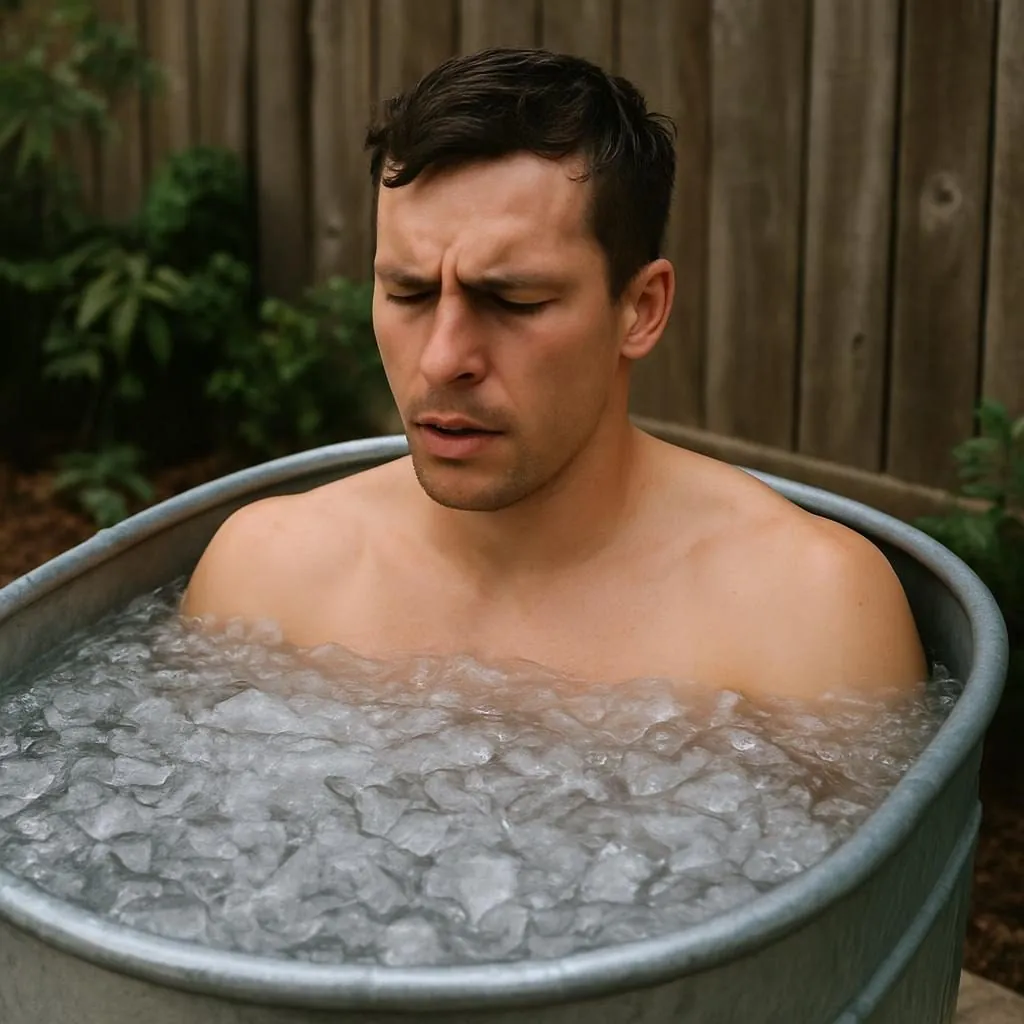
4. Cold Exposure — Real Benefits, Real Limits
Cold exposure activates brown adipose tissue, reduces inflammatory markers, and produces a catecholamine response that feels — subjectively — quite useful for mood and focus. The evidence for these short-term effects is decent. The evidence for meaningful longevity extension specifically from cold exposure? Thinner.
3-minute cold plunges at 50°F (10°C) do produce measurable anti-inflammatory effects. Contrast therapy (alternating cold and heat) shows some cardiovascular benefits. But don’t mistake the compelling subjective experience for proof of decades added to your life. Use it as part of a recovery stack, not as a centerpiece.
5. NAD+ Precursors: Genuinely Useful, Often Oversold
NAD+ does decline with age — roughly 50% by age 50 — and this genuinely matters for mitochondrial function and DNA repair via sirtuin activation. NMN (nicotinamide mononucleotide) and NR (nicotinamide riboside) do raise NAD+ levels in humans. That part isn’t controversial.
What remains unproven: whether raising NAD+ via oral supplements translates to meaningful human lifespan or healthspan extension. The mouse data is promising. Human RCTs are limited in size and duration. I take 500mg NMN daily, I think it probably helps, and I can’t prove it definitively. That’s the honest position.
If budget is limited, exercise and fasting raise NAD+ too — for free.
6. Sauna: Finnish Wisdom Meets Modern Data
Finnish epidemiological data on sauna use is genuinely compelling. Three sessions per week at around 80°C (176°F) for 20 minutes is associated with meaningfully lower cardiovascular mortality, likely through heat shock protein induction and cardiovascular conditioning effects. This is long-term population data, not a short trial — and it’s one of the most cost-accessible interventions on this list if you have gym access.
Infrared saunas are a reasonable alternative — lower temperatures, deeper tissue penetration. The exact mechanism equivalence with traditional sauna hasn’t been fully established, but the practical evidence is encouraging.
7. Genetic Testing — Useful for Navigation, Not Destiny
Here’s what the 2025 Nature Medicine exposome study found: environmental factors explain far more variance in mortality than polygenic risk scores across most non-cancer conditions. Lifestyle and environment outperform genetics for heart, lung, liver, and kidney disease. Your genes matter more for cancer and dementia — but even there, the exposome contributes significantly.
Genetic testing is useful for navigation — knowing you carry APOE4 should shift your focus toward brain-age optimization and neuroinflammation reduction. But it’s not deterministic. Use the information; don’t be paralyzed by it.
8. Senolytics: The Most Exciting Frontier
Senescent cells — “zombie cells” that stop dividing but refuse to die and actively inflame surrounding tissue — are a genuine hallmark of aging. Clearing them extends lifespan in animal models quite reliably. The 2024 Mayo Clinic data on quercetin + dasatinib showed senescent cell reduction of around 30% in elderly mice with improved heart function.
Human trials are near. In 2026, we’ll see the first human senolytic therapies beyond pilot studies. The oral senolytic supplements available now (fisetin, quercetin) have reasonable safety profiles and modest evidence in humans. If I were prioritizing supplements beyond the basics, senolytics would be my second pick after NMN.
⚡ Watch This Space
Rubedo Life Sciences’ ER-100 partial epigenetic reprogramming therapy is entering the first-ever human clinical trials in early 2026. And Nir Barzilai at Einstein College is tracking 23 candidate molecules that could mimic caloric restriction pharmacologically. The next 24 months will produce more usable human data than the previous decade.
📋 Real-World Case Study
The 52-Year-Old Executive Who Shaved 9 Biological Years
A client I’ll call Marco — a 52-year-old in financial services, frequent traveler, chronically poor sleeper — came in with an epigenetic age of 61, resting HRV in the low 20s, and fasting glucose creeping toward pre-diabetic territory.
We started with the unglamorous stuff: consistent 7-hour sleep window with strict circadian anchoring, three resistance sessions per week, Zone 2 cardio twice a week. Added 500mg NMN, 500mg berberine (for glucose management), and quercetin 500mg twice weekly.
Six months in: epigenetic age dropped to 52 (verified via TruAge methylation test). Fasting glucose normalized. HRV climbed to 48ms. He stopped traveling with a CPAP he’d been using for “mild” sleep apnea — turns out treating the root cause worked better than the device.
What didn’t we do: No rapamycin. No peptide injections. No IV NAD+. No extreme fasting. The result was driven almost entirely by the boring stack — sleep, resistance, cardio, basic supplementation, and consistent biomarker tracking.
Optimizing for Brain Age: The Priority Reframing
Given what the 2025 data tells us about brain age and mortality, it’s worth explicitly listing what moves this needle. The good news: the interventions overlap substantially with the general longevity stack. The bad news for supplement hawks: very few pills appear in this list.
Sleep Depth & Consistency
Glymphatic clearance of amyloid-beta and tau proteins happens during deep sleep. Disrupted sleep architecture is directly associated with accelerated brain biological age.
Cardiovascular Fitness
VO2max is the strongest predictor of all-cause mortality. Higher aerobic fitness is consistently associated with younger brain age in imaging studies.
Metabolic Health
Chronic elevated blood glucose is directly neurotoxic. Insulin resistance in the brain is a major driver of neuroinflammation and accelerated cognitive aging.
Social Connection & Purpose
Robust social engagement consistently associates with slower brain aging. Loneliness and chronic social isolation are neurologically damaging — the data here is cleaner than for most supplements.
Neuroinflammation Reduction
Omega-3 fatty acids (EPA/DHA), polyphenol-rich diet, and stress management have demonstrable effects on neuroinflammatory pathways. This is 2026’s most underexplored frontier.
Cognitive Challenge & Novelty
Learning new skills, complex problem-solving, and genuine intellectual engagement maintain neural plasticity. Not “brain games” — real novel challenges that force adaptive learning.
Your 30-Day Biohacking Launchpad
Don’t try to implement everything at once. That’s how people burn out in week two and conclude that “biohacking doesn’t work.” Stack incrementally. The compounding happens over months and years, not days.
- 1Days 1–3: Baseline Everything
Get a basic blood panel (fasting glucose, HbA1c, CRP, lipids, vitamin D, testosterone). Download a sleep tracker or put on a wearable. Log energy levels and mood subjectively. You cannot improve what you haven’t measured.
- 2Days 4–10: The Boring Foundation
Set a consistent sleep and wake time. Start 16:8 eating. Add three resistance training sessions. Walk 30 minutes daily at a conversational pace (Zone 2). This single week, done consistently, beats most elaborate supplement stacks.
- 3Days 11–20: Layer in Recovery Tools
Add sauna if accessible (3×/wk). Try 2-minute cold showers post-workout. Consider 500mg NMN in the morning with food. Add magnesium glycinate (200–400mg) before bed if sleep quality is poor.
- 4Days 21–30: Personalize and Track
Re-check sleep scores and subjective energy. Decide if a CGM (continuous glucose monitor) makes sense — if your fasting glucose was elevated or you’re pre-diabetic, it’s genuinely useful for a 2-week calibration. Consider adding quercetin 500mg twice weekly for its senolytic and anti-inflammatory effects.
- 5Month 3: Biomarker Review
Retest your blood panel. Compare to baseline. Consider an epigenetic age test (TruAge or Elysium) at the 6-month mark. Adjust based on data, not on what’s trending in the biohacking subreddit this week.
The Biohacking Success Checklist
- Annual fasting blood panel (glucose, HbA1c, CRP, lipids, vitamin D, homocysteine)
- Consistent sleep-wake schedule, 7–9 hrs, tracked via wearable
- Progressive resistance training 3–4×/week
- Zone 2 cardio 150+ minutes/week (you can hold a conversation while doing it)
- 16:8 time-restricted eating 4–5 days per week
- Regular sauna use if accessible (3×/wk minimum)
- Epigenetic age test (6-month or annual baseline)
- Genetic panel for actionable variants (APOE, MTHFR, BRCA if relevant)
- 600mg EPA/DHA omega-3 daily (brain-age protection)
- Any supplementation reviewed with a physician before starting
Five Mistakes That Waste Your Time and Money
1. Chasing the Novel Before Mastering the Fundamental
I see this constantly. Someone spends $800 on a peptide protocol while sleeping six hours a night and doing no resistance training. The peptides are maybe 10% as impactful as fixing the basics. Start there. Seriously.
2. Trusting Rodent Data as Human Data
The rapamycin story is the cautionary tale here, but it’s far from the only one. Resveratrol looked extraordinary in mice. Human trials have been deeply underwhelming. The translational gap in aging research is enormous, and the biohacking influencer economy has strong incentives to skip over it.
3. Metric Obsession and Orthosomnia
Paradox of self-tracking: fixating on your Oura score can itself impair sleep quality. Track trends over weeks, not nightly scores. If a number is making you anxious, the tracking is working against you.
4. Ignoring Mental Health and Social Connection
The brain-age data is unambiguous: chronic stress, loneliness, and untreated anxiety/depression are significant accelerators of biological aging. No supplement stack compensates for isolation or chronic psychological distress. This is not soft advice — it is among the most evidence-backed interventions in the field.
5. DIY Without Medical Oversight
Peptide injectables, hormone protocols, and experimental compounds like senolytics genuinely require periodic blood monitoring. Not because biohacking is inherently dangerous — most of it isn’t — but because individual variation is enormous and you want to catch problems early. Find a physician who is longevity-literate. They exist.
Frequently Asked Questions
How much can biohacking realistically add to healthspan?
The honest answer is we don’t have definitive RCT data on multi-decade human healthspan extension. What we do have: strong evidence that optimal sleep, regular vigorous exercise, and metabolic health can keep your biological age tracking well behind chronological age into your 60s and 70s. The 2025 UK Biobank data showed that biological brain age effects were comparable in magnitude to the strongest known genetic risk factors — which suggests lifestyle interventions can move the needle significantly. 5–15 years of additional healthy, functional life is not a wild claim for someone who implements this comprehensively starting in their 40s.
Is NAD+ supplementation worth it in 2026?
Probably yes, with tempered expectations. NMN and NR do raise NAD+ in humans — that’s confirmed. Whether raising NAD+ meaningfully extends human healthspan is still unproven in long-term RCTs. The mechanism is sound, the safety profile is good, and the cost is reasonable. I’d put it in the “likely helpful, can’t prove it yet” category — useful as part of a comprehensive stack, but not worth prioritizing over sleep and exercise.
Should I get an epigenetic age test?
Yes, especially if you’re implementing changes and want to track them. Tests like TruAge (methylation-based) give you a biological age estimate that reflects actual aging processes, not just chronological time. Use it as a baseline and retest at 6–12 month intervals to see if your interventions are working. More guides on testing protocols →
What supplements have the best evidence in 2026?
In rough order of evidence strength for longevity/healthspan: (1) Omega-3 fatty acids — EPA/DHA, well-established cardiovascular and neuroprotective effects. (2) Vitamin D3 + K2 — most people are deficient, effects on bone, immune, and metabolic health are well-established. (3) Magnesium — widespread deficiency, involved in 300+ enzymatic reactions, sleep quality improver. (4) NMN or NR — mechanistically sound, limited long-term human data. (5) Quercetin/Fisetin — senolytic properties, reasonable safety profile, emerging human data.
Is biohacking different for women, especially approaching menopause?
Absolutely. Estrogen has significant neuroprotective effects — its decline during perimenopause accelerates both metabolic aging and brain aging in ways that differ from male aging trajectories. Resistance training becomes even more critical post-menopause for bone density and metabolic health. HRT (hormone replacement therapy), when appropriate and guided by a physician, is one of the few interventions with genuine evidence for reducing menopausal transition effects on brain and cardiovascular aging. This deserves more attention in the biohacking community than it currently gets.
What are the most promising things coming in the next 1–2 years?
Three areas I’m watching closely: (1) First human senolytic clinical trials — dasatinib+quercetin protocols will produce real human data in 2026. (2) Brain biomarker panels — neurofilament light chain, GFAP, and brevican are becoming accessible via blood tests at longevity clinics, allowing direct monitoring of brain aging trajectory. (3) Partial epigenetic reprogramming — Rubedo Life Sciences’ ER-100 trial in early 2026 is the first real human test of this category. The results will be closely watched.
How do I find a longevity-literate physician?
Search for physicians affiliated with the American Academy of Anti-Aging Medicine (A4M), or those trained in functional medicine with a longevity focus. Peter Attia’s Early Medical framework and the clinics it has influenced are good reference points for the standard of care you’re looking for. Expect to pay out-of-pocket — most longevity medicine isn’t covered by standard insurance. See our directory of longevity practitioners →
The Bottom Line — and a Provocation
The biohacking field has spent years building a culture around exotic interventions, expensive tech, and the allure of hacking mortality itself. And it needed the humbling that 2025 delivered. Bryan Johnson stopping rapamycin wasn’t a failure of biohacking — it was the field doing what science is supposed to do: test aggressively, observe honestly, and update.
What the best evidence now points to is both less exciting and more achievable than the headlines suggest. Your brain age matters more than your telomeres. Your muscle mass matters more than your supplement stack. Your sleep quality matters more than your cold plunge routine. And your social connections, chronic stress levels, and psychological wellbeing are shaping your biological aging trajectory in ways that no pill can offset.
The most radical thing you can do for longevity in 2026 is to take the boring fundamentals seriously enough to actually be consistent with them. Then, and only then, does the sophisticated layer of testing, targeted supplementation, and emerging therapies start to compound meaningfully.
Start this week. Not next month. Not after the next breakthrough study. FutureNow has more guides to help you build the full stack.
Sources & Citations
- Organ-specific brain aging & mortality: Nature Medicine, July 2025 — UK Biobank proteomics study, 44,498 participants, 17-year follow-up.
- Bryan Johnson stops rapamycin: Blueprint by Bryan Johnson, September 2024
- Rapamycin side effects & epigenetic clock analysis: Men’s Fitness, January 2025
- Anti-aging longevity market projections: Cure.com, December 2025
- Environment vs genetics in aging — exposome study: Nature Medicine, February 2025 — 492,567 UK Biobank participants.
- Biohacking failures and 2025 lessons: Near Future / Futuro Prossimo, December 2025
- Proteomic aging clock and organ disease prediction: Nature Medicine, 2024
- Senolytic therapy (dasatinib + quercetin): VitalLife Wellness, citing Mayo Clinic 2024 data
- Ethical biohacking in 2026 — full protocol guide: EthicalBiohacking.com, April 2026
- Brain age gap and lifestyle interventions: Communications Medicine, December 2025
The Secret Longevity Diet Hacks Billionaires Are Using in 2025-2026
5 Proven Biohacking Techniques Most Experts Won’t Tell You
2026’s Bizarre Hybrid That Shook Biology
Signs Your Favorite Viral Influencers Are Quitting the Internet Approach Needs a Complete Rethink
What Scientists Found in Antarctica Will Shock You
Why Cold Showers Are the New Luxury Trend
Micro-Habit Engineering: 11 Facts That Will Change How You Approach It
Will Humans Really Live on Mars by 2035?
1 thought on “Biohacking in 2026: Trends, Claims, and Risks”